
温哥华诗人 Grace Kwan 在《The Sacred Heart Motel(圣心汽车旅馆)》中探索离散族群的情感生活
许多诗人在童年或青少年时期就爱上了诗歌这种艺术形式。然而,Grace Kwan(使用 they/them 的代名词)直到在西门菲莎大学 (Simon Fraser University) 研究所就读时,才开始认真创作诗歌。

许多诗人在童年或青少年时期就爱上了诗歌这种艺术形式。然而,Grace Kwan(使用 they/them 的代名词)直到在西门菲莎大学 (Simon Fraser University) 研究所就读时,才开始认真创作诗歌。

許多詩人在童年或青少年時期就愛上了詩歌這種藝術形式。然而,Grace Kwan(使用 they/them 的代名詞)直到在西門菲莎大學 (Simon Fraser University) 研究所就讀時,才開始認真創作詩歌。
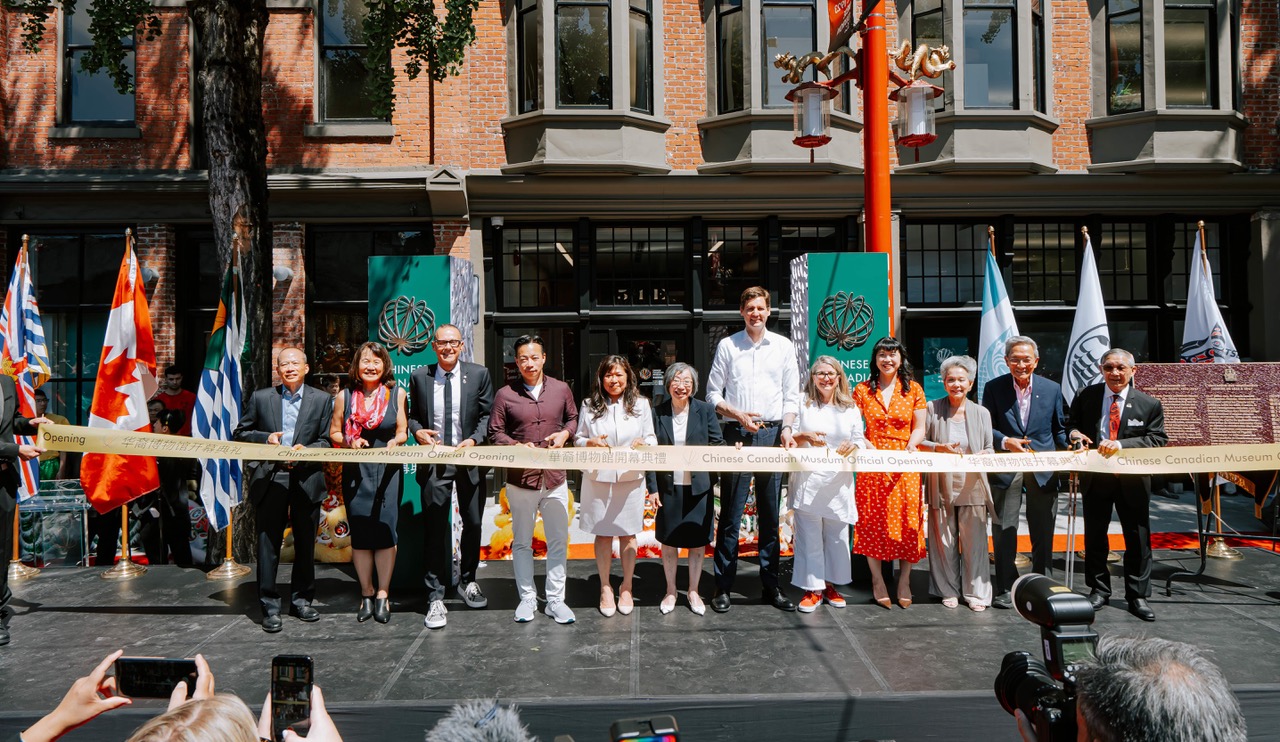
华裔博物馆 (Chinese Canadian Museum) 在开馆一年多后,荣获国家级重要奖项。该博物馆本周宣布,获得了每年颁发的「总督历史博物馆卓越奖:活化历史奖 (Governor General’s History Award for Excellence in Museums: History Alive!)」。

華裔博物館 (Chinese Canadian Museum) 在開館一年多後,榮獲國家級重要獎項。該博物館本週宣布,獲得了每年頒發的「總督歷史博物館卓越獎:活化歷史獎 (Governor General’s History Award for Excellence in Museums: History Alive!)」。

Many poets fall in love with their artform in childhood or as teens. Kwan, on the other hand, started writing poetry in grad school at SFU.
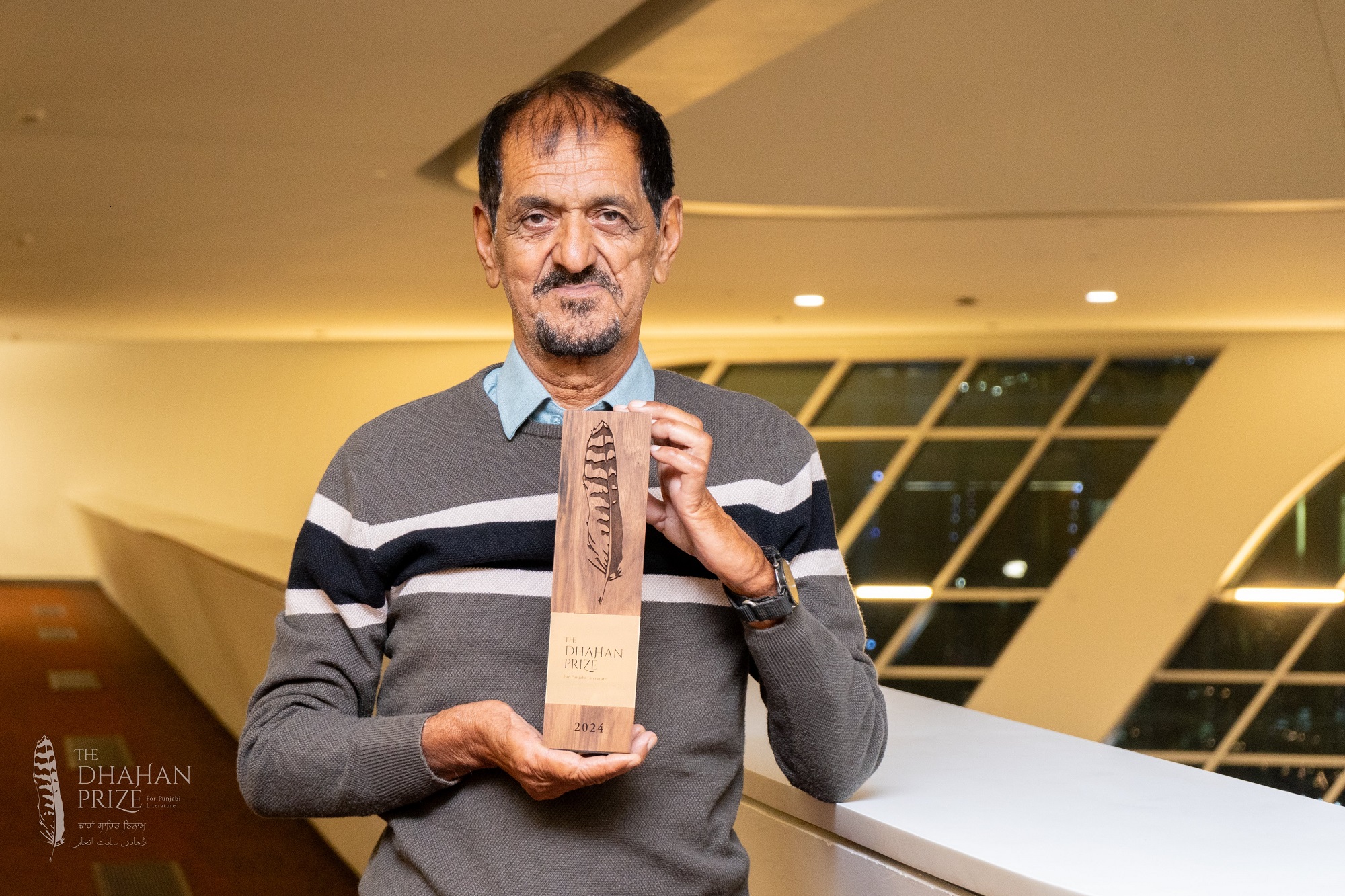
Jinder, a retired transportation department employee, has won the most lucrative Punjabi literary prize in the world.

The Chinese Canadian Museum opened in the historic Wing Sang Building (51 East Pender Street) in Vancouver’s Chinatown on July 1, 2023.


The Society of We Are Canadians Too created Pancouver to foster greater appreciation for underrepresented artistic communities. A rising tide of understanding lifts all of us.
This project is funded in part by the Government of Canada.
We would like to acknowledge that we are gathered on the traditional and unceded territories of the Coast Salish peoples of the xʷməθkwəy̓əm (Musqueam Indian Band), Skwxwú7mesh (Squamish Nation), and Səl̓ílwətaɬ (Tsleil-Waututh Nation). With this acknowledgement, we thank the Indigenous peoples who still live on and care for this land.
This project is funded in part by the Government of Canada.
The Society of We Are Canadians Too created Pancouver to foster greater appreciation for underrepresented artistic communities. A rising tide of understanding lifts all of us.
We would like to acknowledge that we are gathered on the traditional and unceded territories of the Coast Salish peoples of the xʷməθkwəy̓əm (Musqueam), Skwxwú7mesh (Squamish), and Səl̓ílwətaɬ (Tsleil-Waututh) Nations. With this acknowledgement, we thank the Indigenous peoples who still live on and care for this land.
Independent arts journalism needs readers like you!
If you value stories like this, please consider supporting Pancouver.