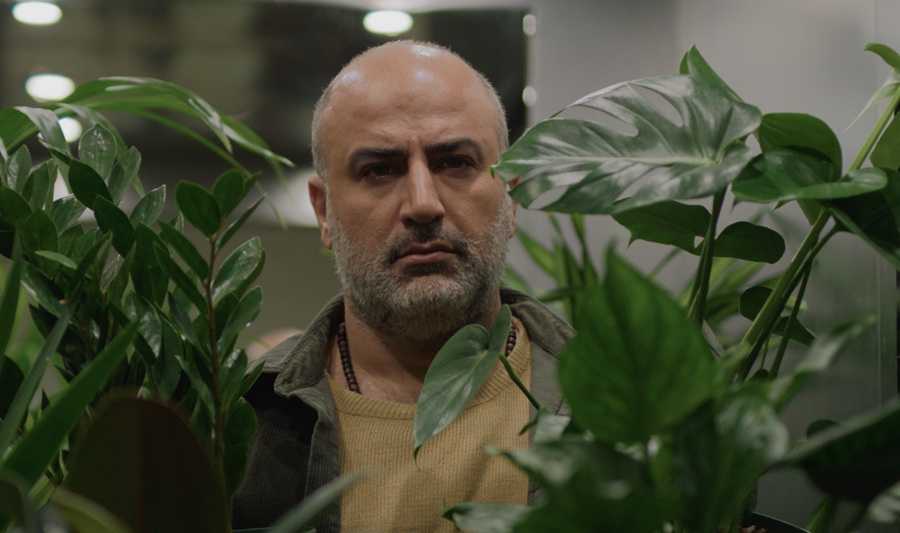
VIFF 2026: An interview with Ali Asgari, director of A Bit of Light
Asgari places an individual in conflict with forces far larger than himself in his new film.

Asgari places an individual in conflict with forces far larger than himself in his new film.
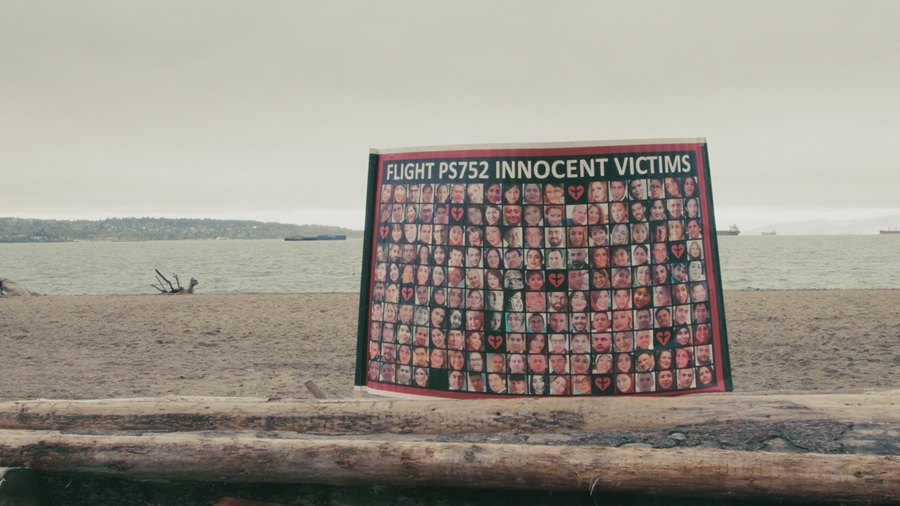
Mardookhi, a Kurdish Canadian director, didn’t only want to focus on loss—he aimed to show what families did in response to this.
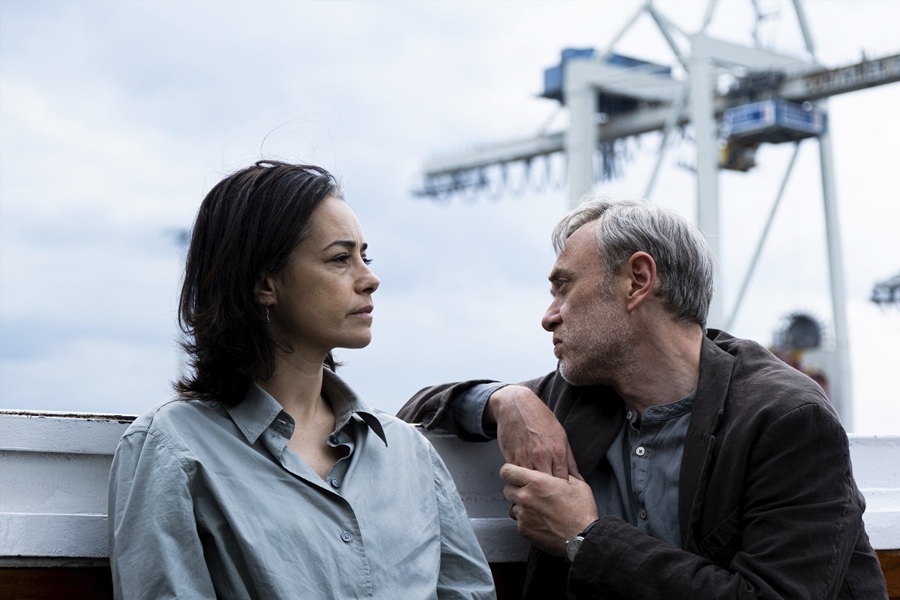
Authoritarianism takes shape through gradual erosion of artistic freedom, individual rights, and institutional independence.
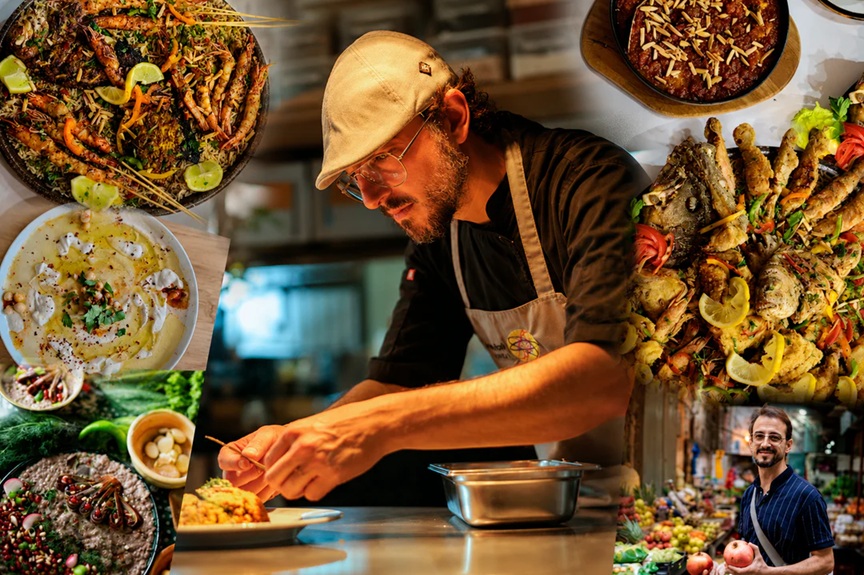
The Palestinian chef and storyteller comes from a family with centuries-old Sufi traditions rooted in the Old City of Jerusalem.
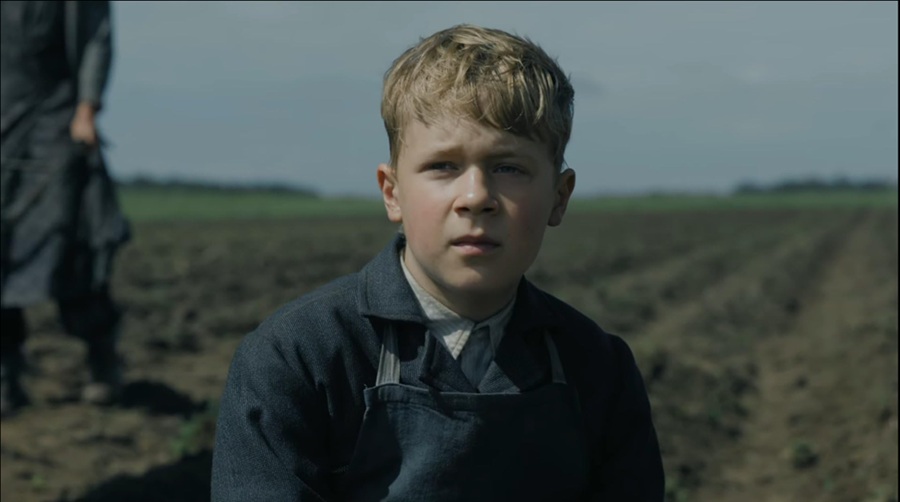
Whereas director Fatih Akin’s earlier works relied on fast-paced urban grit, Amrum is marked by a more observational and naturalistic style.
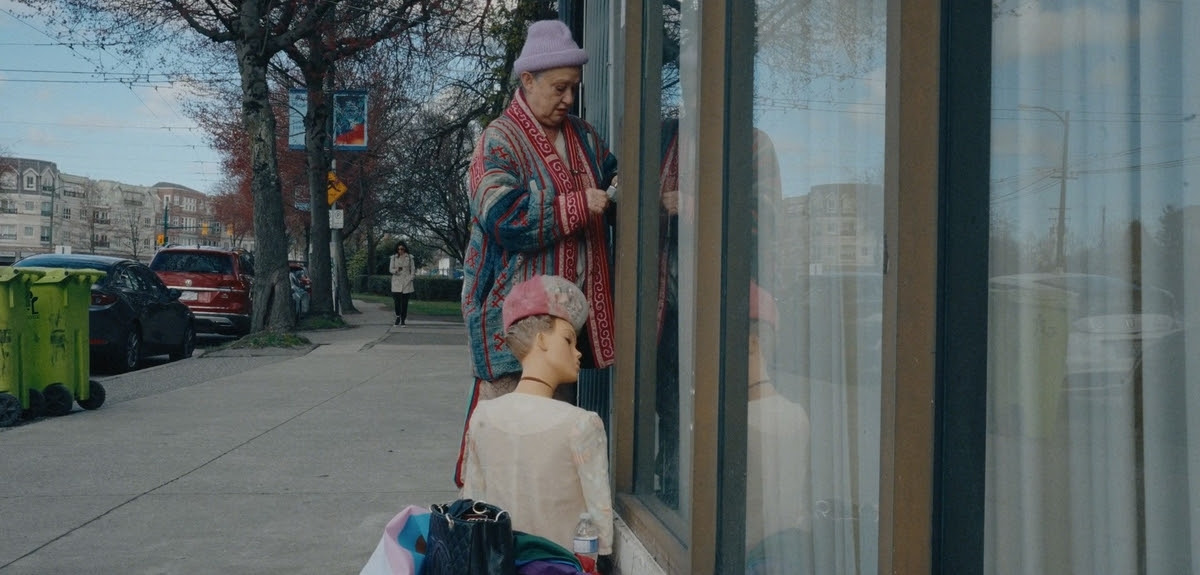
One of GEMFest’s opening night films reveals how Burcu has transformed struggles of systemic marginalization into solidarity and care.
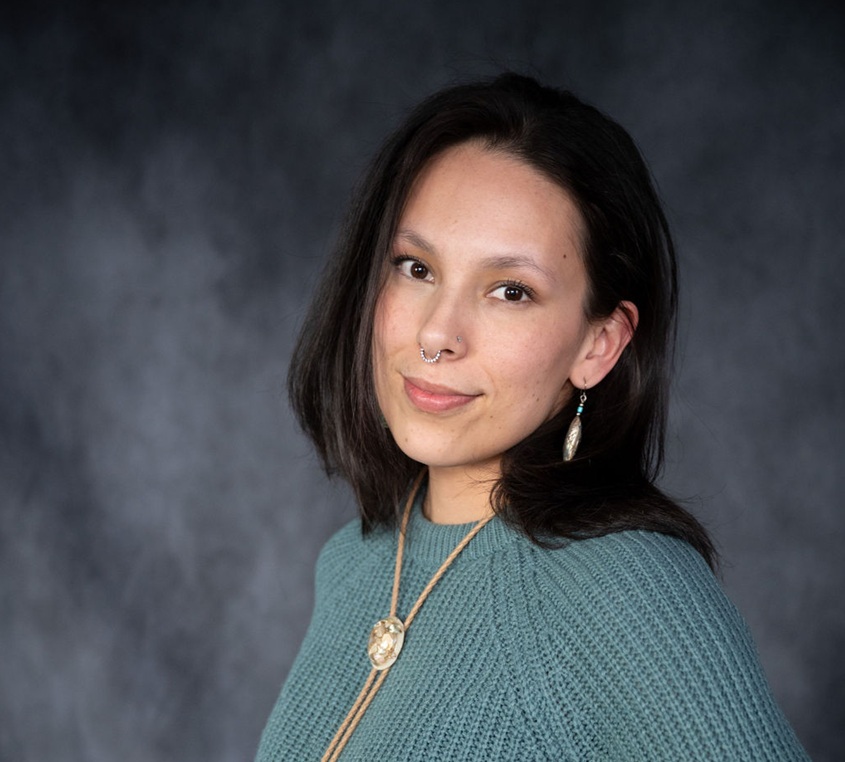
A feature-length documentary at GEMFest 2026 demonstrates that protecting a language goes beyond preserving the grammar and the vocabulary.

Mouallem adapted the film from a short story called “Cynthia” by Saeed Teebi, which appeared in His First Palestinian: And Other Stories.
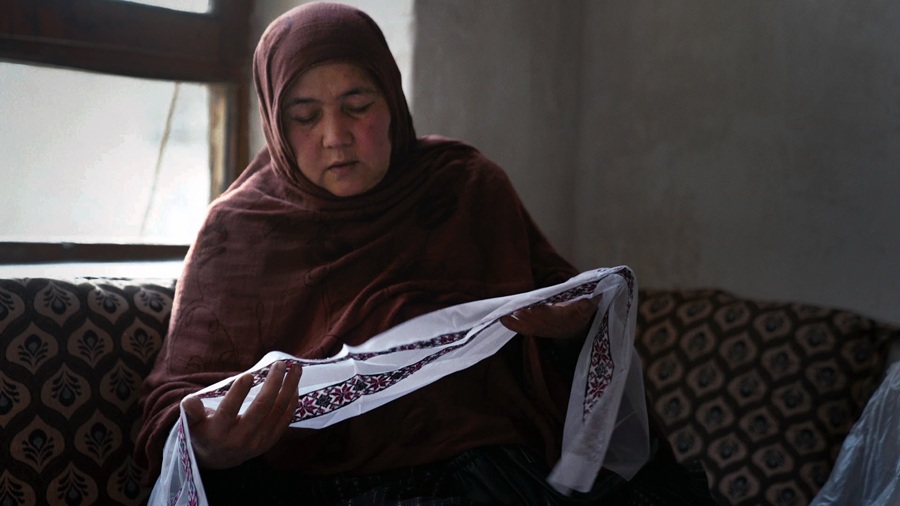
The MENA Film Festival will present the Noori siblings’ award-winning documentary on January 18.
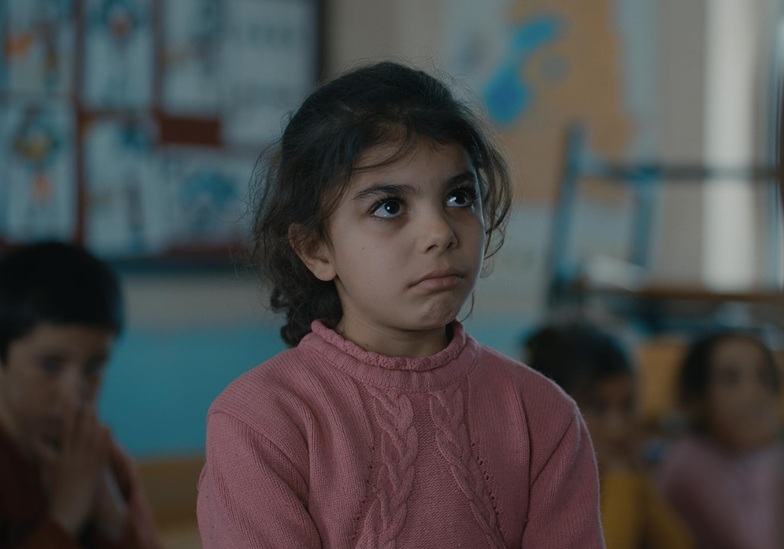
Yakup Tekintangaç’s masterpiece will be screened at the Vancouver Turkish Film Festival and Seattle Turkish Film Festival.

