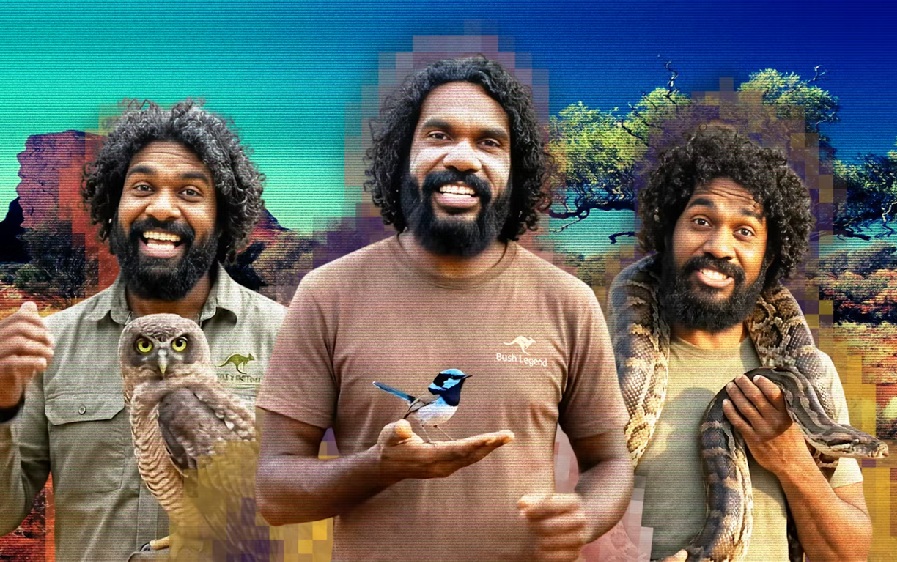
This TikTok star sharing Australian animal stories doesn’t exist—it’s AI Blakface
Aboriginal artist and broadcaster Destiny Deacon embraced “Blak” as a term of Indigenous empowerment long before the emergence of AI.

Aboriginal artist and broadcaster Destiny Deacon embraced “Blak” as a term of Indigenous empowerment long before the emergence of AI.

The brick crosses in The Mush Hole represent the architecture of colonialized residential schools in which students were reduced to numbers.

Recent profiles in The Atlantic and The New York Times have elevated the controversial Fuentes into practically a household name.

Few Nigerian popular musicians have shown as much staying power as the man behind the #ElloBae and #WehDoneSir social media trends.

In his most recent book, Teebi addresses how language obscures the degree of suffering inflicted on Palestinian people.

Speaking rapidly into a microphone in Uganda, they comment loudly and continuously, often drowning out the sound of the film itself.

A scholar of Holocaust literary and film narratives explains why she is troubled by the presentation of fictionalized Holocaust atrocities.
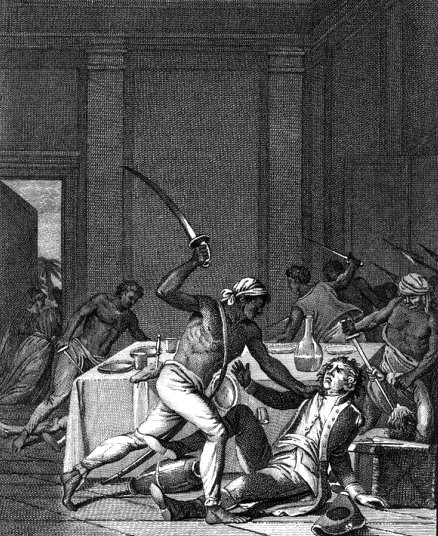
Like many enslaved Africans, Apongo had two names. Neither of them completely unlocks his back story.
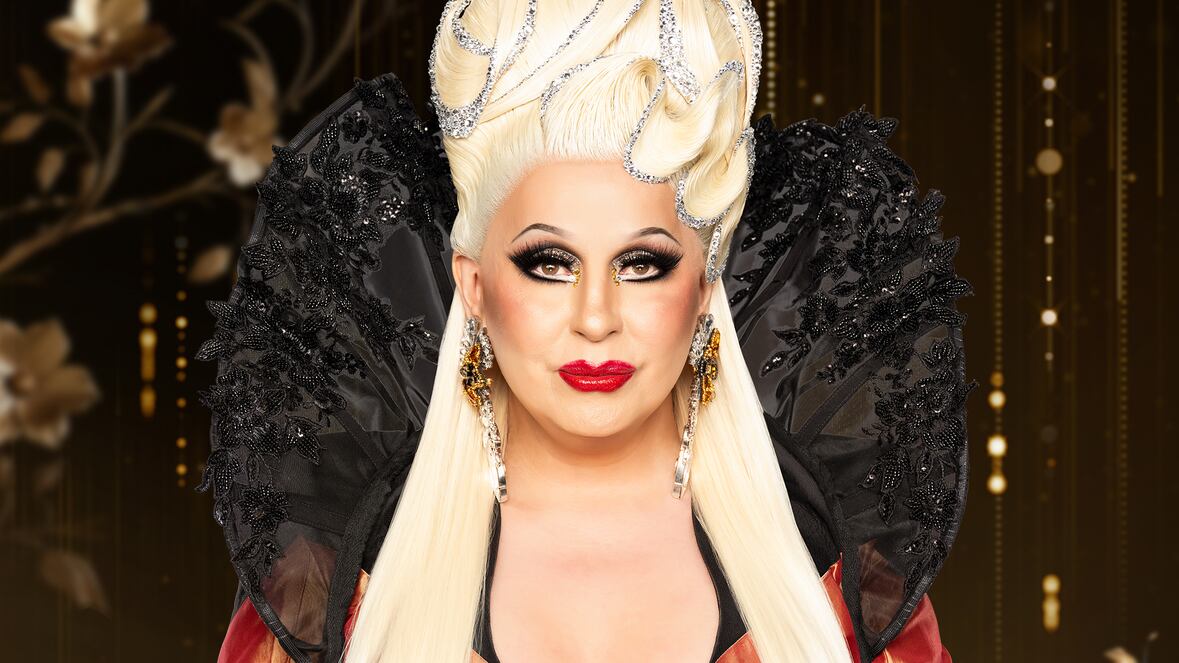
Jaylene Tyme’s humorous yet personal storytelling as an Indigenous two-spirited transgender woman was one of the highlights.
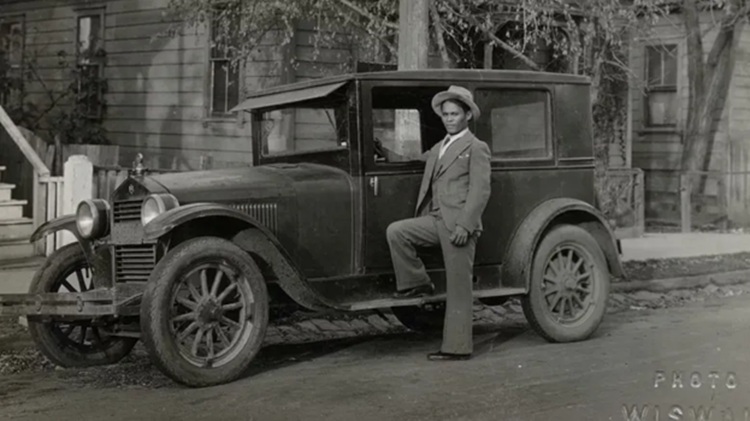
These objects reflect stories of Filipinos who were resourceful, creative, and filled with hope in the face of racism and legal exclusion.

