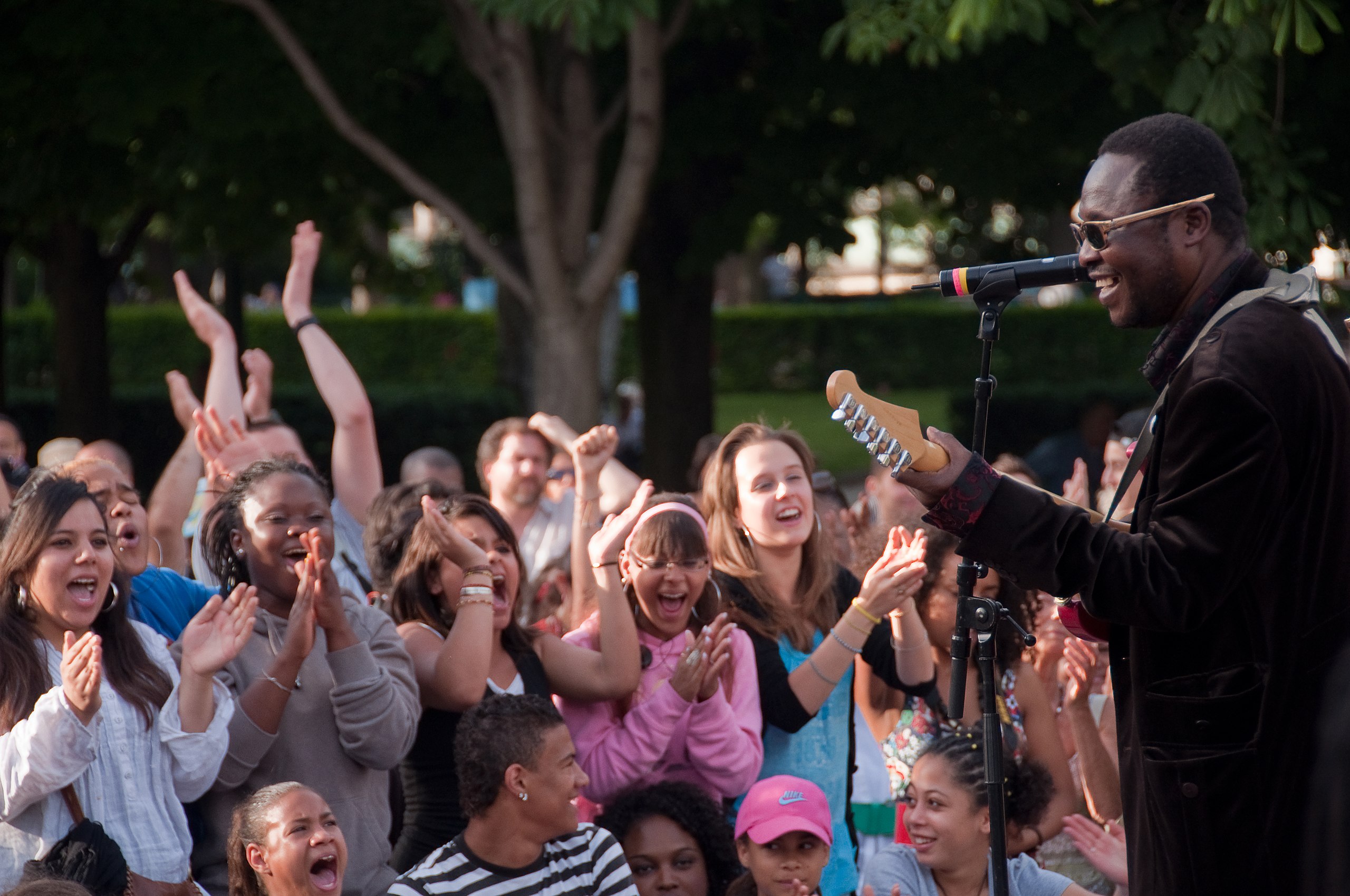
Amadou Bagayoko: the blind Malian musician whose joyful songs changed West African music
Amadou Bagayoko, one-half of Amadou & Mariam, died in Bamako on April 4. The globally successful musician was 70 years old.

Amadou Bagayoko, one-half of Amadou & Mariam, died in Bamako on April 4. The globally successful musician was 70 years old.

Sabrina, Medusa, Queen Nesrine, Tuny Girl, and Lully Snake have released powerful hip-hop songs that are empowering women in North Africa.
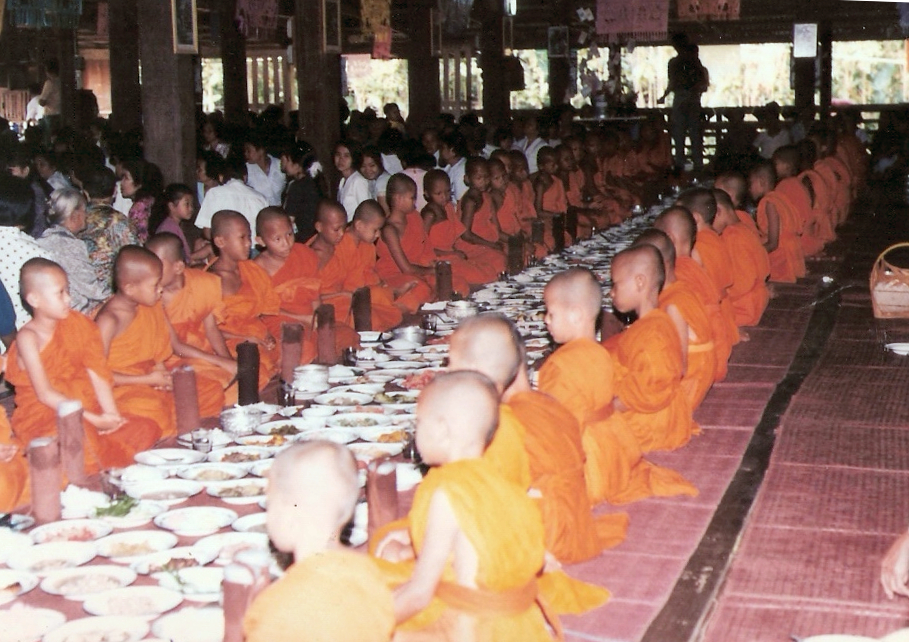
Contrary to popular Western beliefs about Buddhist meditation, it is not viewed as a secular practice.
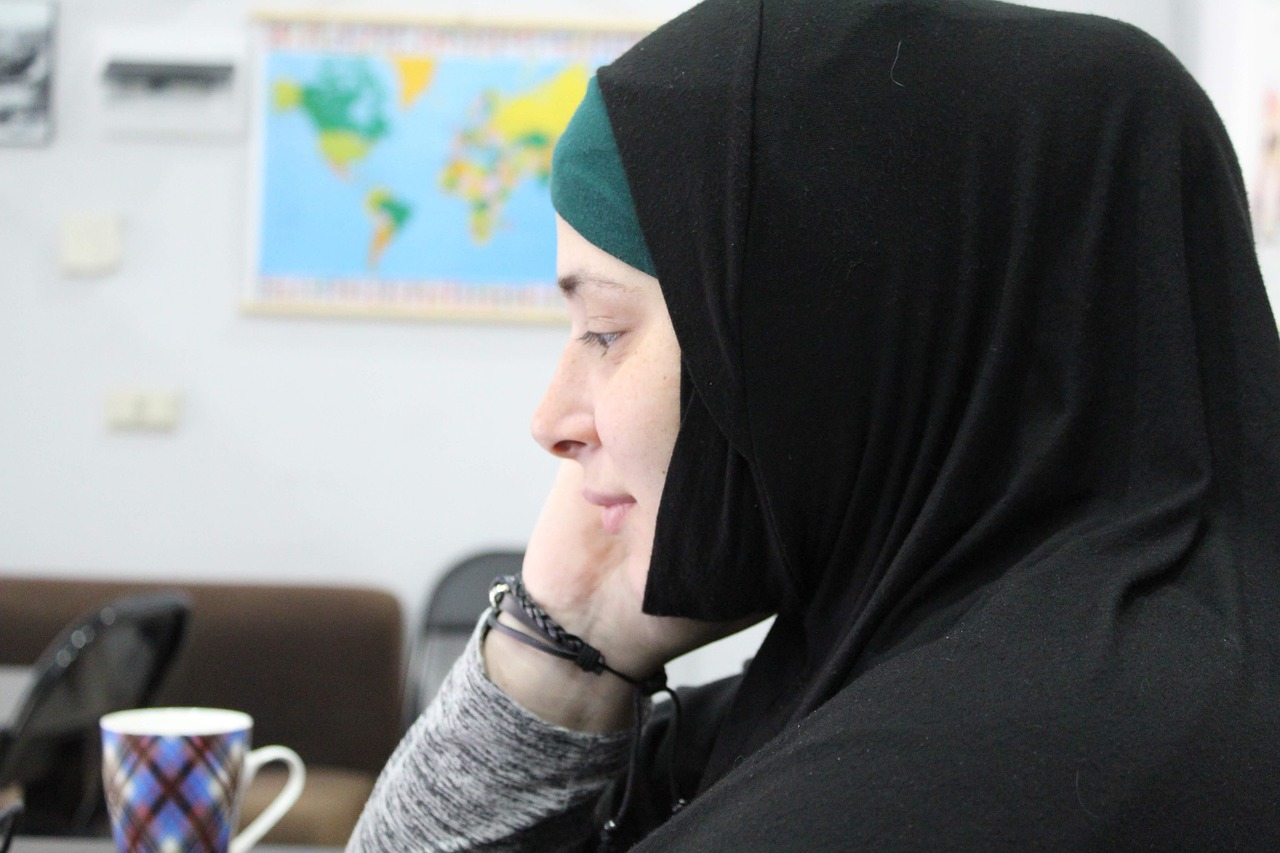
“For Eid we have to call in sick and I don’t like that,” says a student in Albera. “You should have the day off school.”
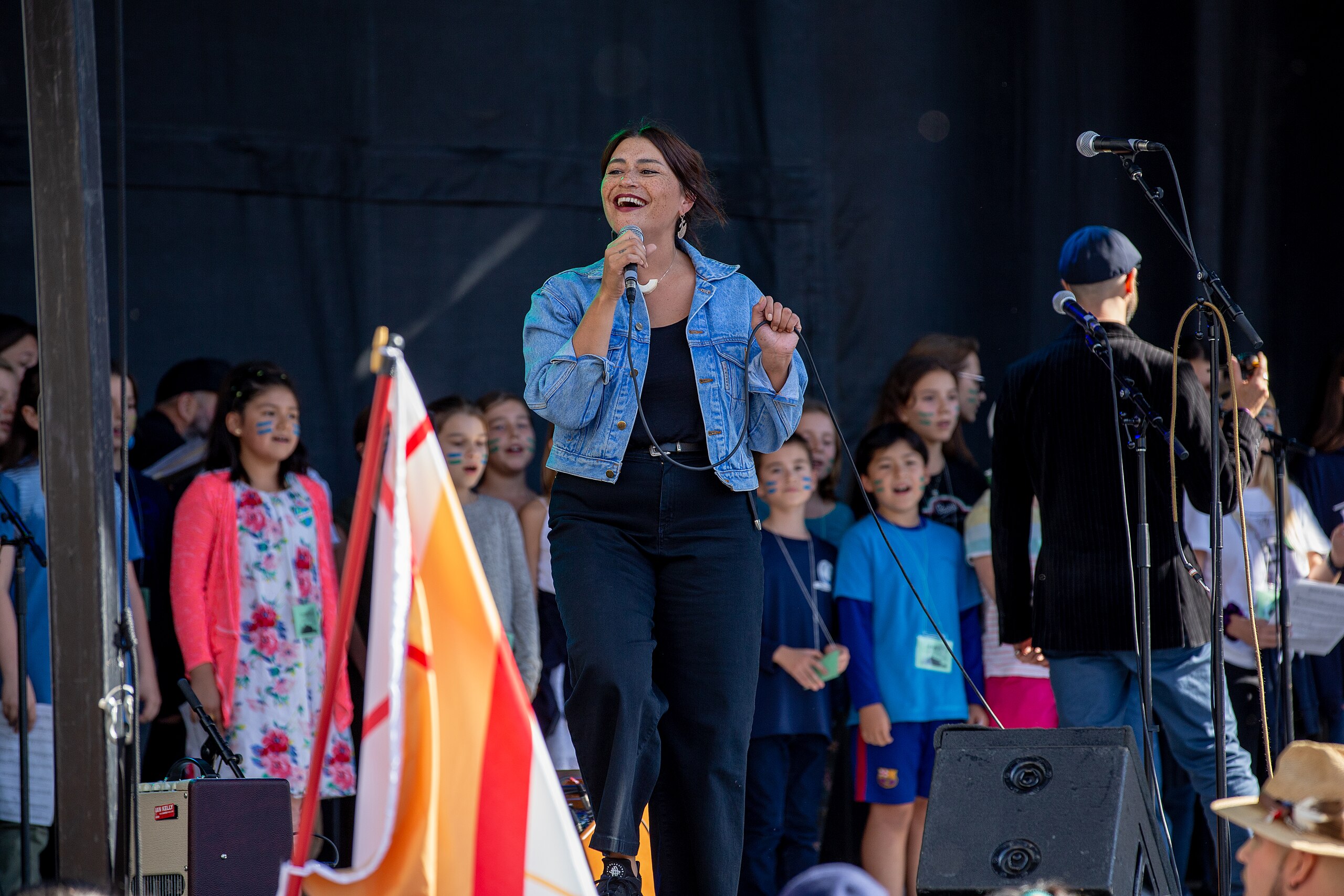
The word Inuktitut means “like the Inuit,” and is the name for part of a wider language continuum spoken across the North American Arctic.
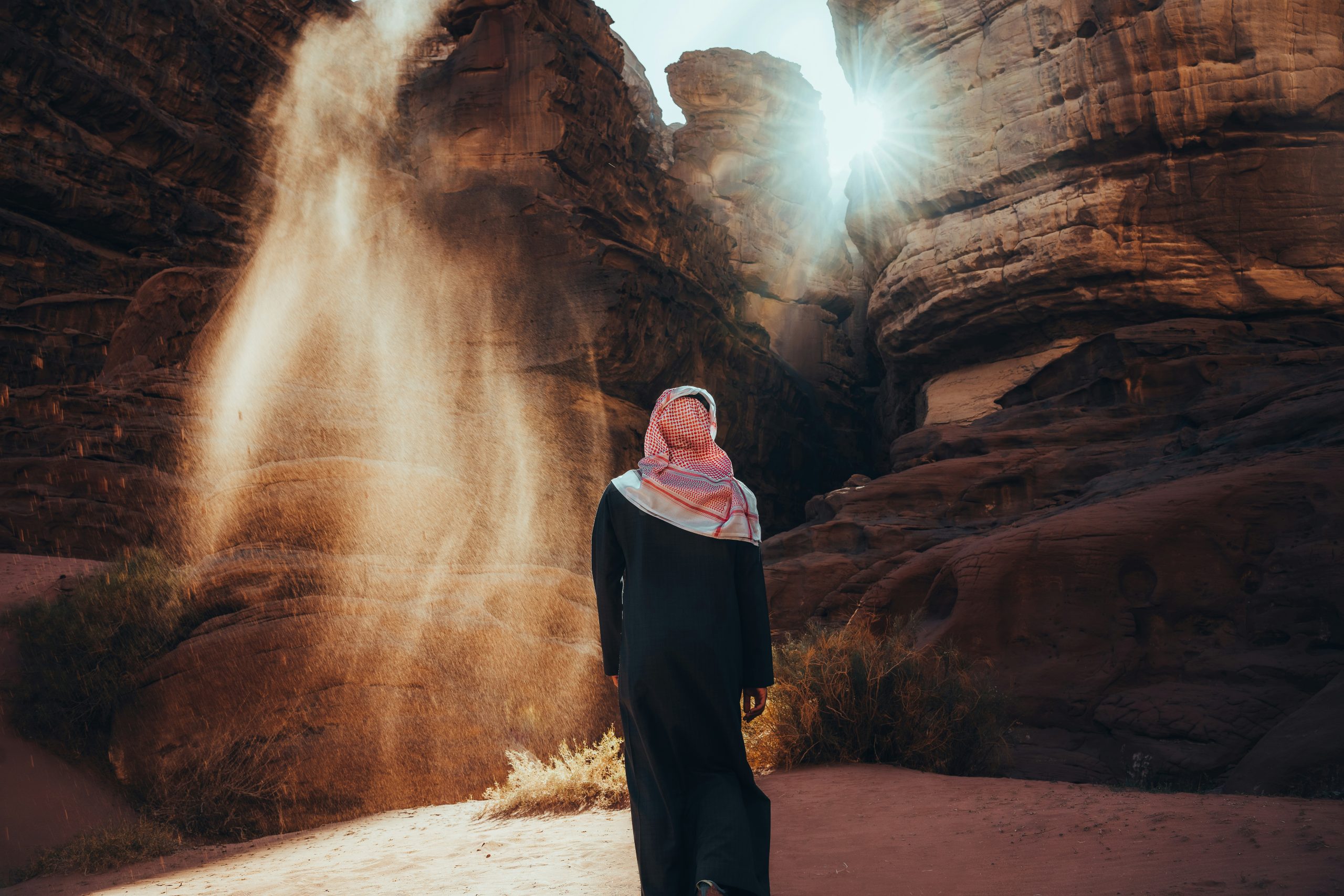
Migration policies focus on border control, but rarely consider the social and cultural dynamics—including dreams—that shape aspirations.
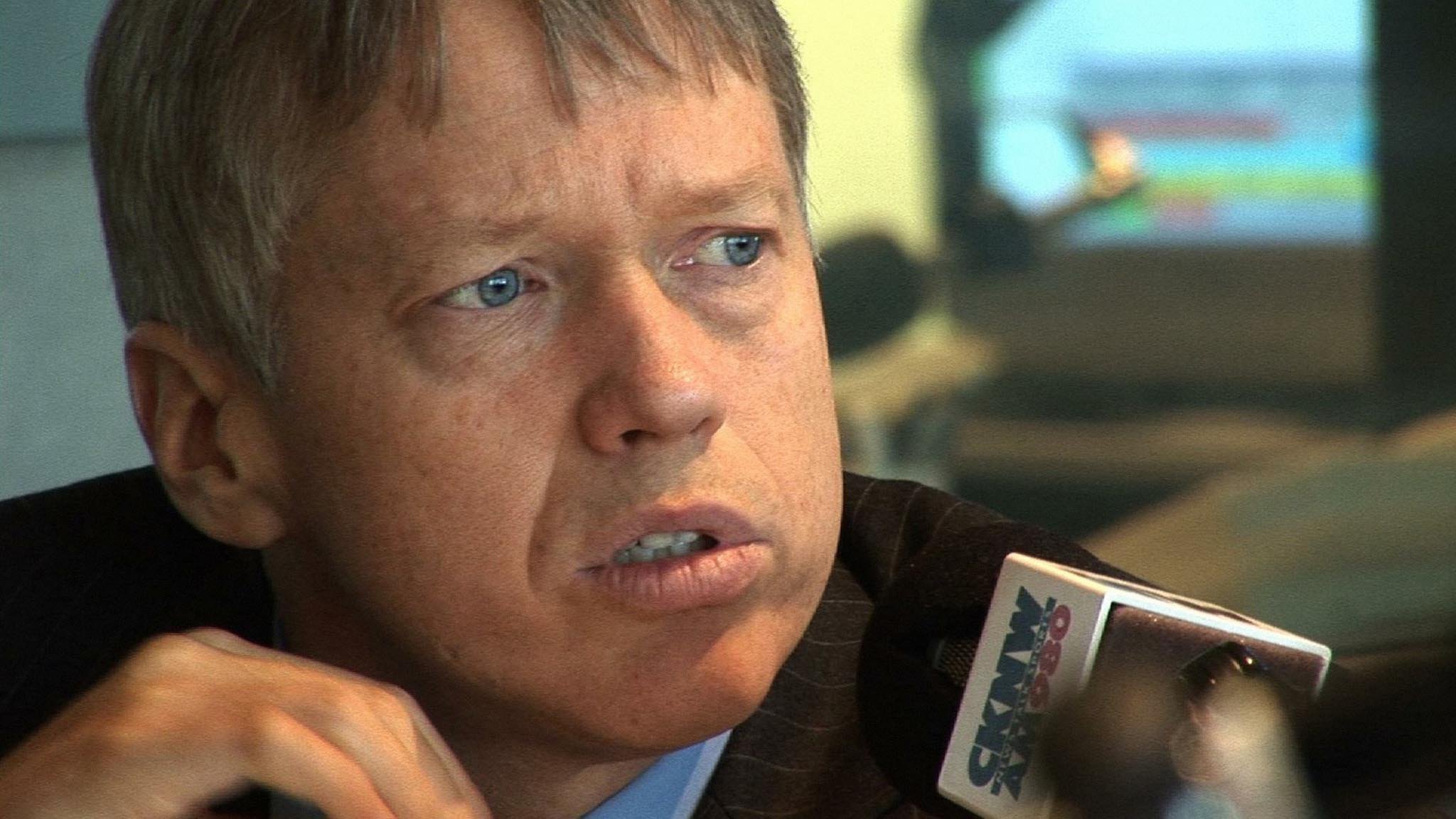
Moulins is a Vancouver filmmaker who directed Citizen Sam and A Tribe of His Own: The Journalism of P. Sainath.
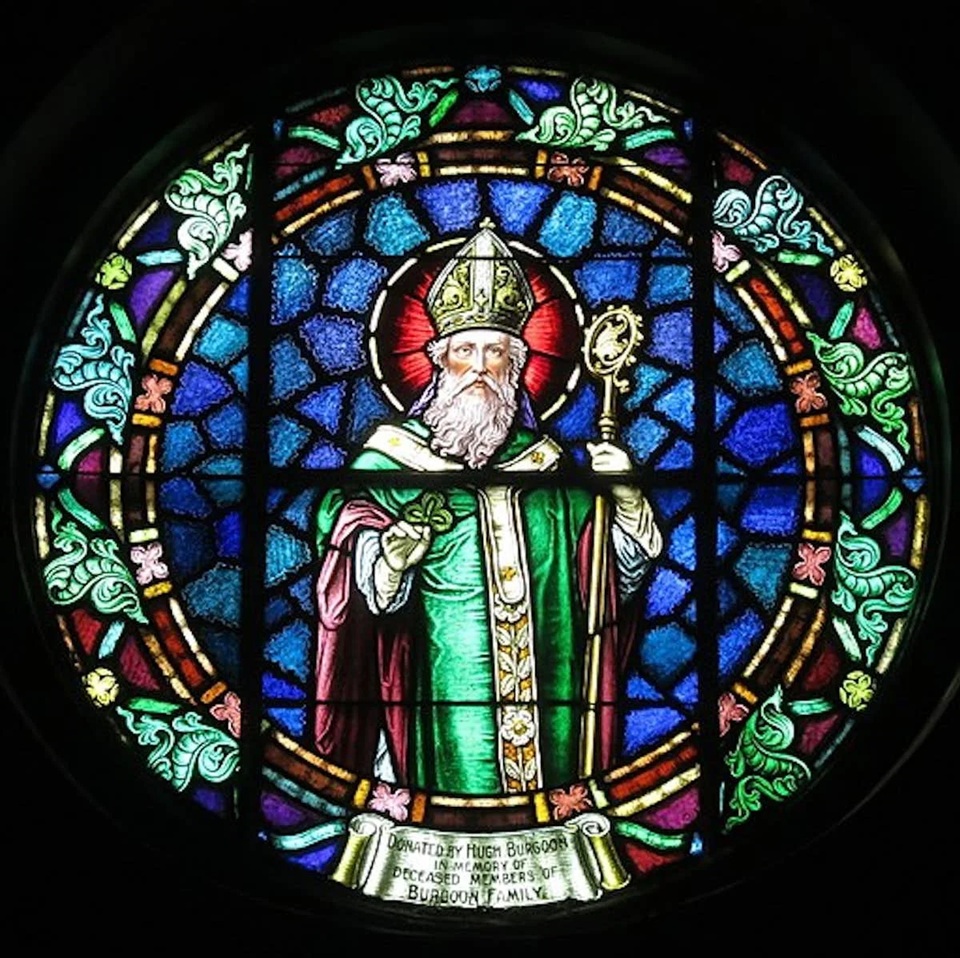
The flag representing the president of Ireland has a gold harp with a dark blue background—the colour known as St. Patrick’s blue.

Girls’ love dramas from Thailand are now reshaping sapphic storytelling and bringing it to the mainstream in countries around the world.

Diop holds up her Golden Bear statue after her documentary Dahomey was honoured as the best film at Berlinale 2024.

