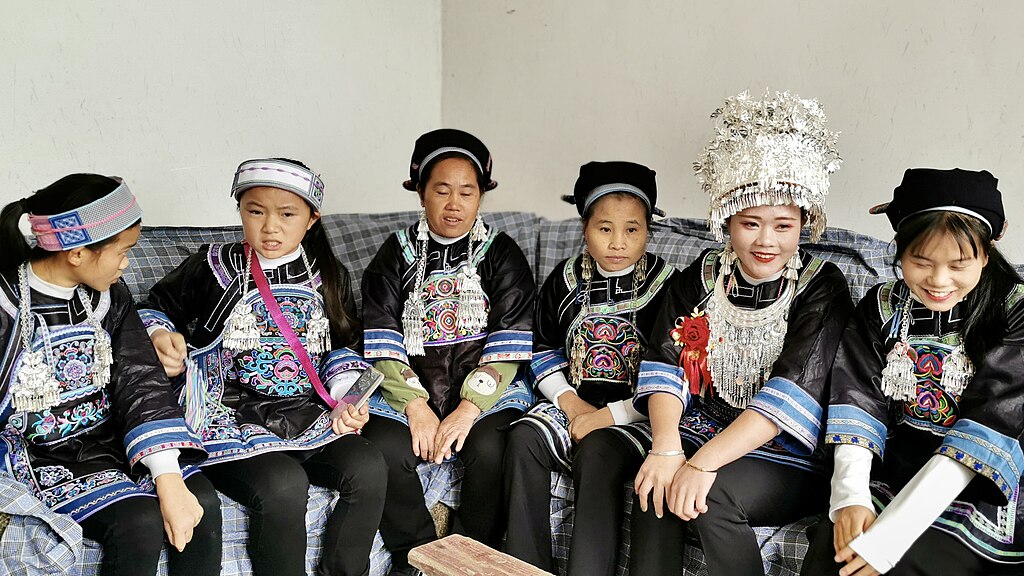
Construire un pont culturel entre le Québec et un peuple asiatique méconnu
Cet article explore la signification profonde du tambour de bronze dans le patrimoine culturel immatériel du peuple Bouyei.

Cet article explore la signification profonde du tambour de bronze dans le patrimoine culturel immatériel du peuple Bouyei.

A PhD candidate at the University of Toronto reviews what happened after Iruda (or “Lee Luda”) was launched as an AI chatbot.
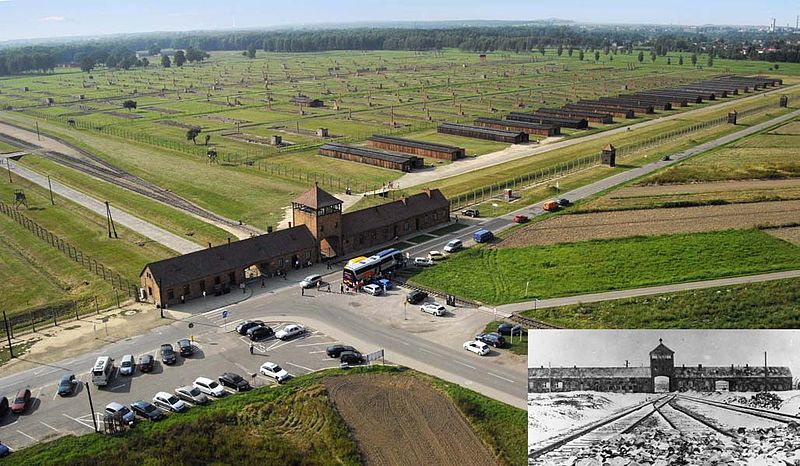
The Red Army liberated the Auschwitz Birkenau German death camp on this day in 1945, but it didn’t mark the end of the Holocaust.
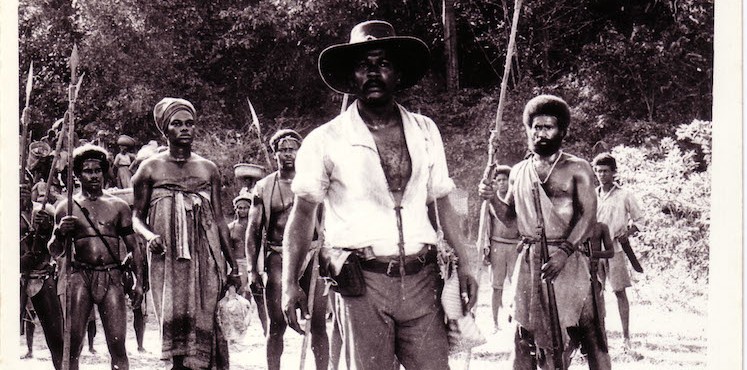
Following the Cuban Revolution, a film industry grew that sought to construct an assertive and representative picture of Black Cuban history and culture.
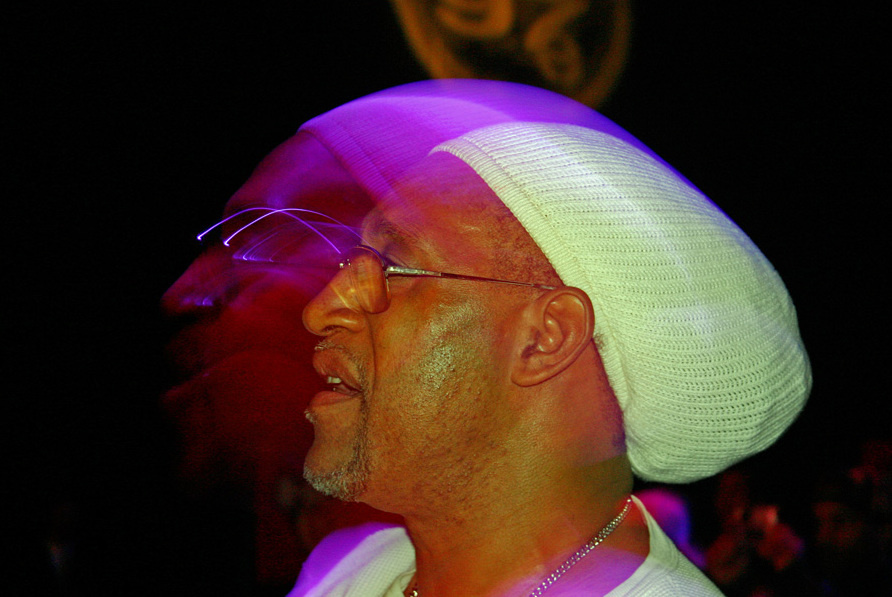
Scholar Bettina L. Loves notes that hip-hop-based education enables urban and Black children and youth to critically reflect on the world.
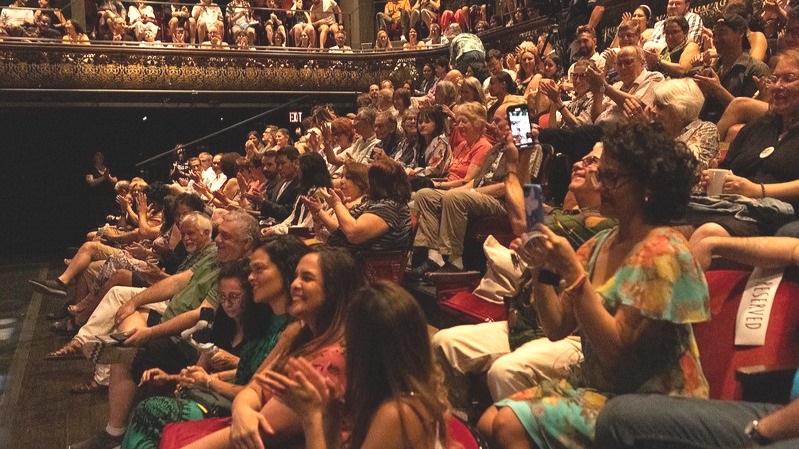
In a diverse country such as Canada, the arts do more than entertain—they connect us to our shared humanity.
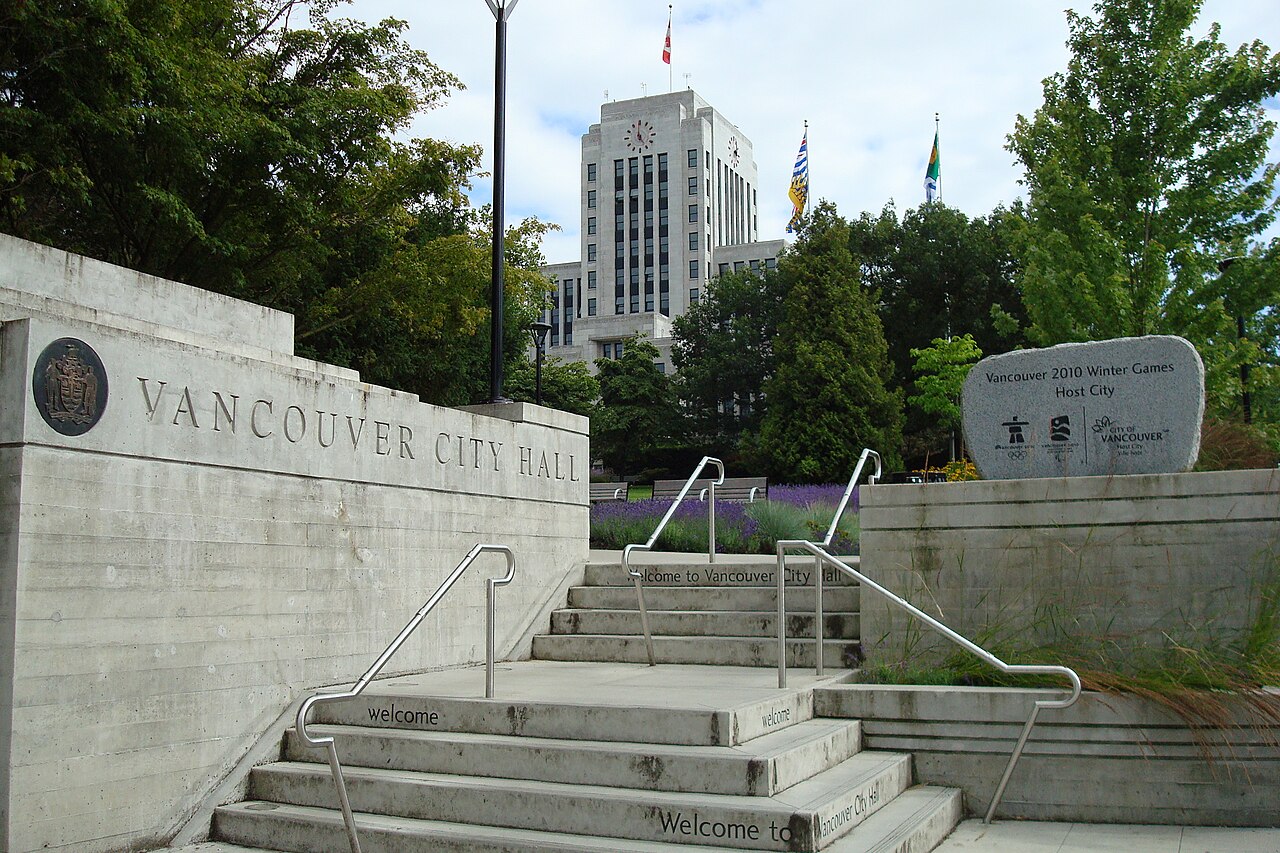
Bhandall, a representative of Wanjara Nomad Collections, wants the City of Vancouver to stop using a “racist and reductive” label.

L’intrépide Polynésienne Vaiana est de retour sur les écrans dans Vaiana 2, film d’animation de Disney nominé aux Golden Globe 2025.

Housing in excess 10,000 objects, it offers more than 600 years of history of the Bamoun kingdom, one of the oldest in sub-Saharan Africa.
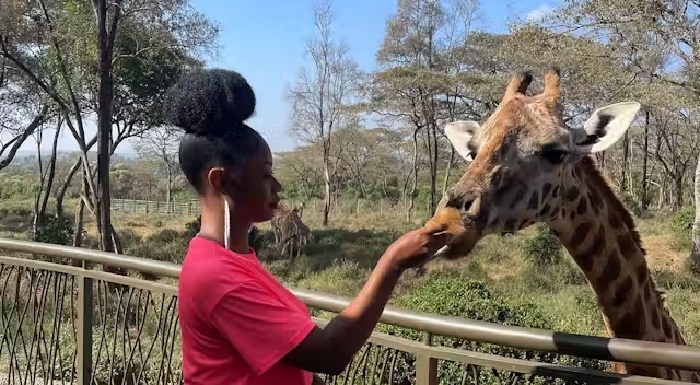
Ekezie, a humourist and journalist, has gained millions of followers with skits that poke fun at the world’s perceptions of the continent.

