
Personal histories shape how immigrant families transmit their home language to children
Children of political immigrants told Concordia researchers that their communication in Vietnamese involved less personal conversations.

Children of political immigrants told Concordia researchers that their communication in Vietnamese involved less personal conversations.

At a time when more newcomers are coming to Canada and looking for jobs, it’s important to gain a deeper understanding of accent bias.

Looting art in times of wars was not new. What made European colonial looting distinctive was that it filled a specific institution—museums.

A gender and culture informatics scholar at the University of Alberta offers solutions to persistent gender inequity in the film industry.
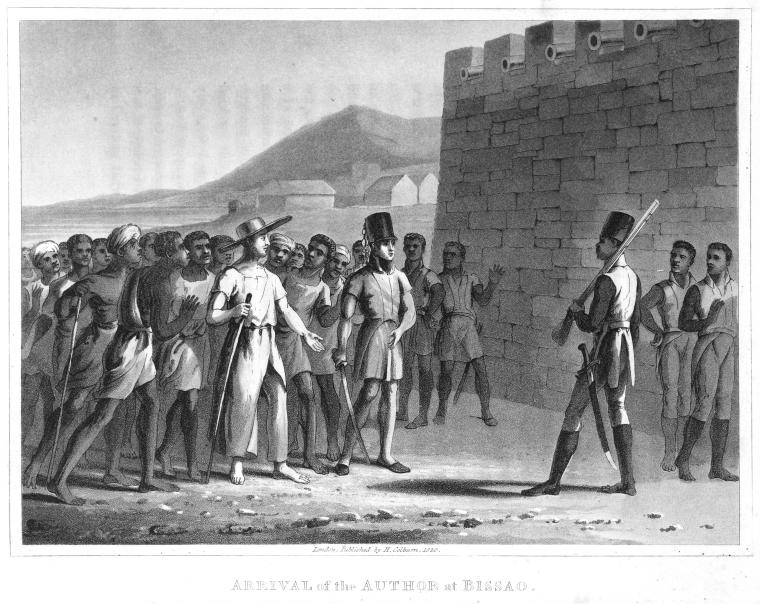
Two scholars suggested a name like Anaesia—derived from Igbo-African for land or place of origin—could be considered in place of “Africa”.

Fassie rebelled through fashion, language, sexuality, and even through an often childlike nature that can be seen in her performances.

Delon died at the age of 88, bringing down the curtain on one of postwar European cinema’s most important film stars.

For learners dedicating hours each week to mastering a second language, the journey often feels interminable.
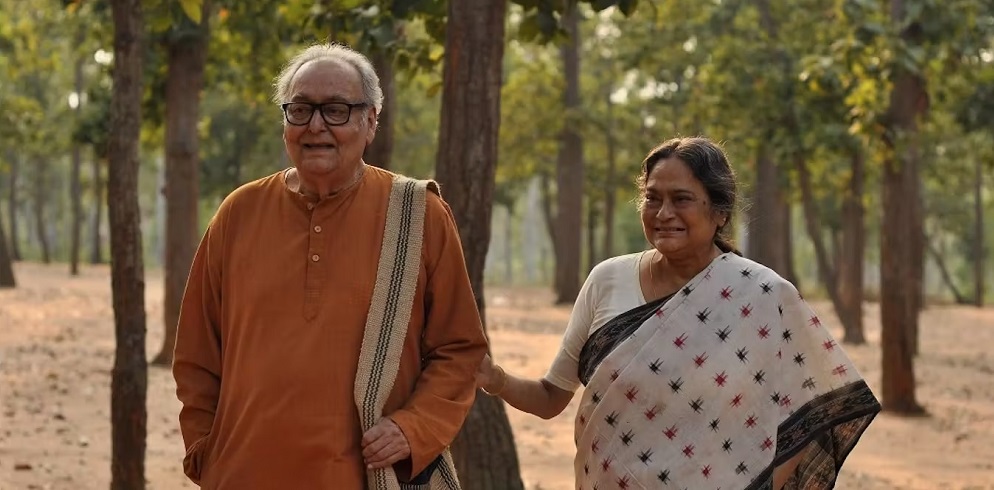
A University of Waterloo doctoral researcher evaluates the portrayal of dementia in various films made in different Indian languages.

Fela, the self-proclaimed “Black President”, seems to be everywhere—like an omnipresent deity—nearly three decades after his death.

