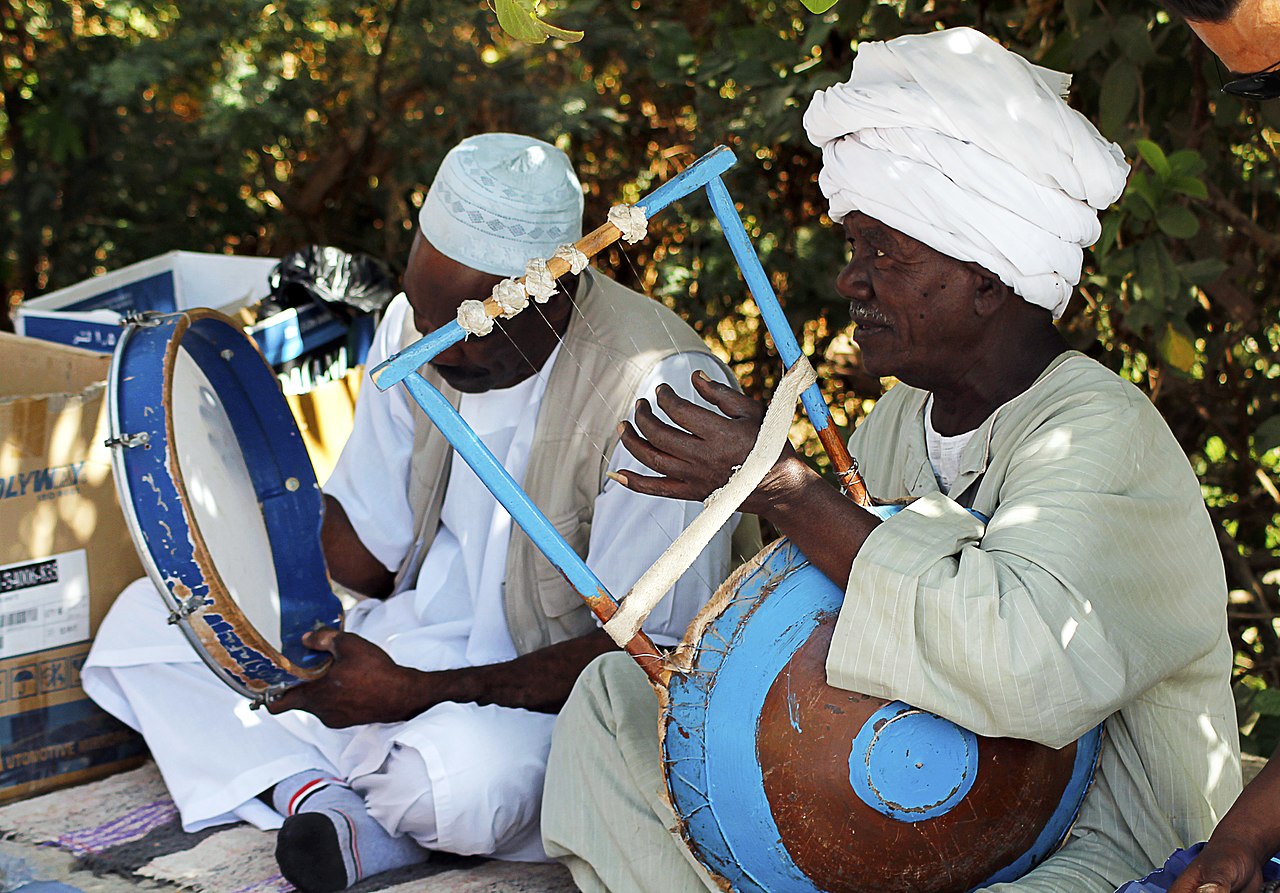
How drums tell the story of Black Arab heritage
In 2022, scholar Amir Al-Azraki embarked on learning to play two traditional drums used in folk music in his hometown of Basra, Iraq.

In 2022, scholar Amir Al-Azraki embarked on learning to play two traditional drums used in folk music in his hometown of Basra, Iraq.
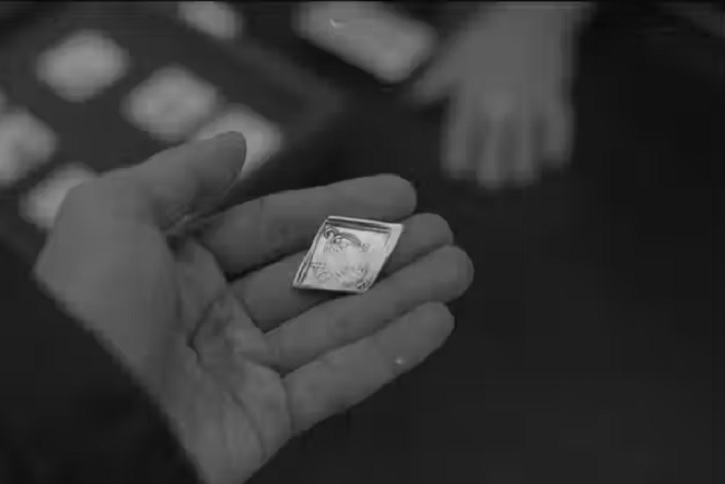
Ilê Sartuzi, a Brazilian student, spent a year working on his plan to “steal” the coin, developing his technique and observing the staff.

Diabaté, a virtuoso kora player and a significant musical ambassador for the Mande people of West Africa, died on July 19.
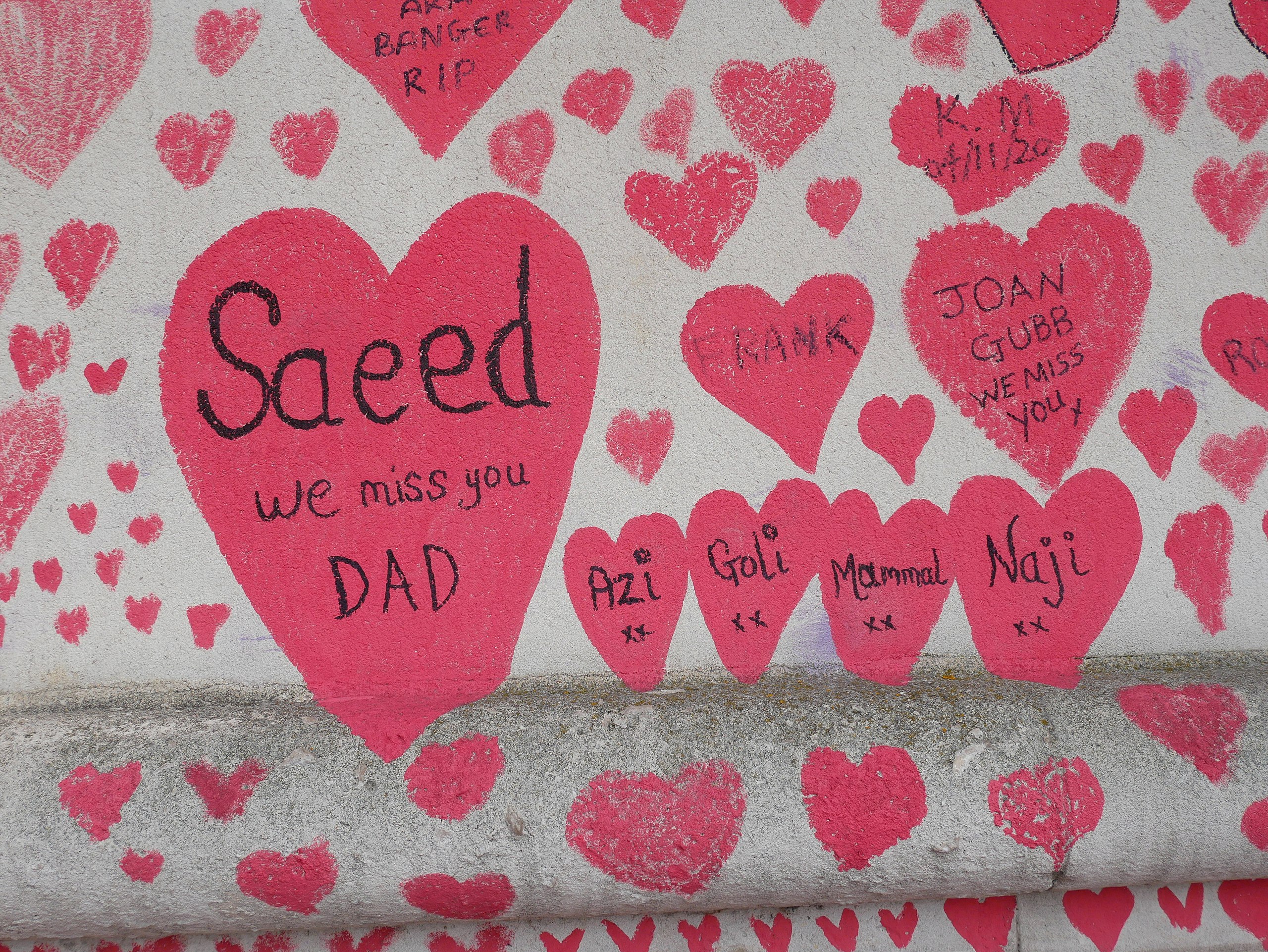
The National COVID Memorial Wall in London was created to give people a chance to reflect on the impact of the pandemic.
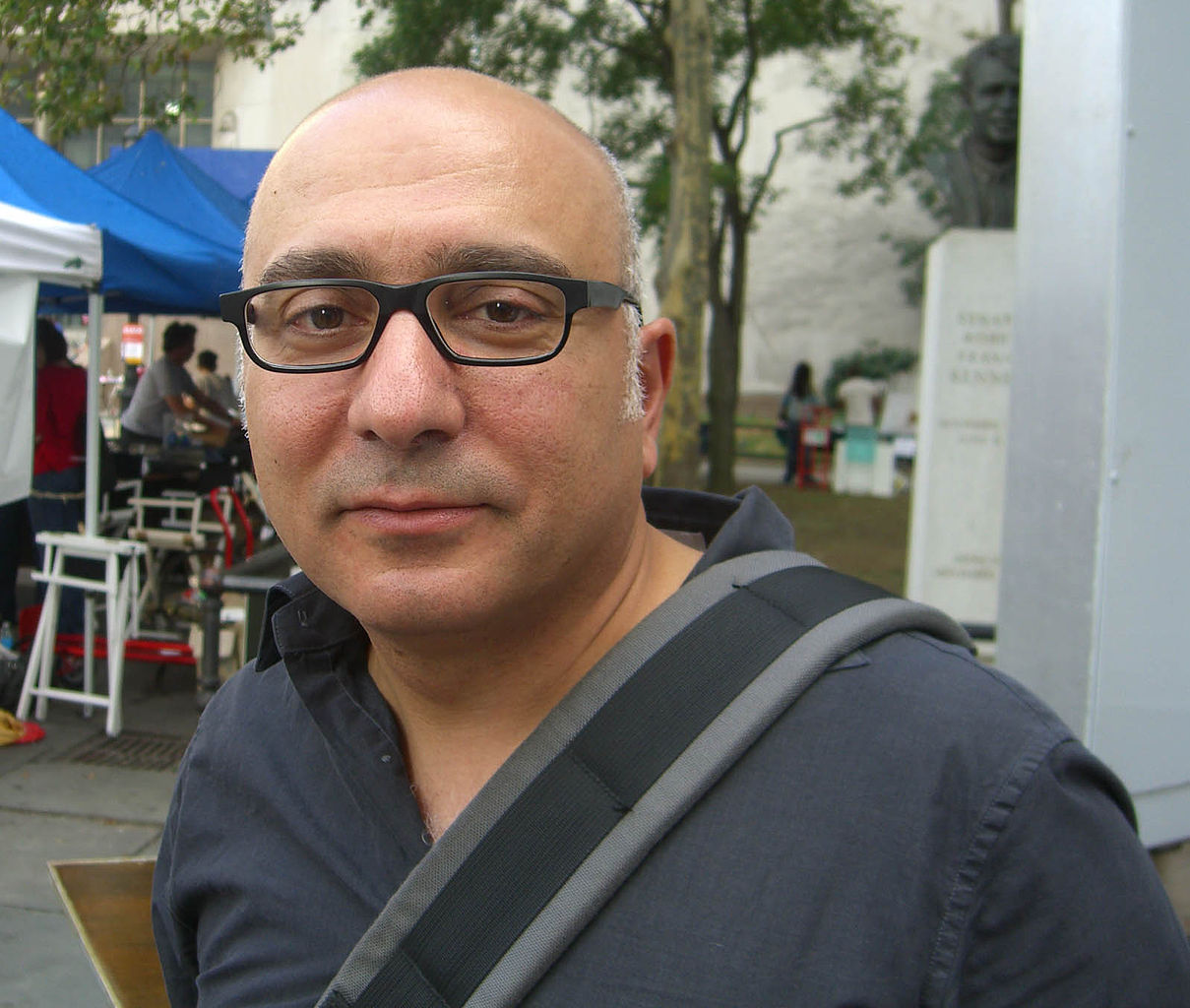
A Dalhousie University scholar looks back at Hage’s second novel, Cockroach, on the centenary of the death of Franz Kafka.
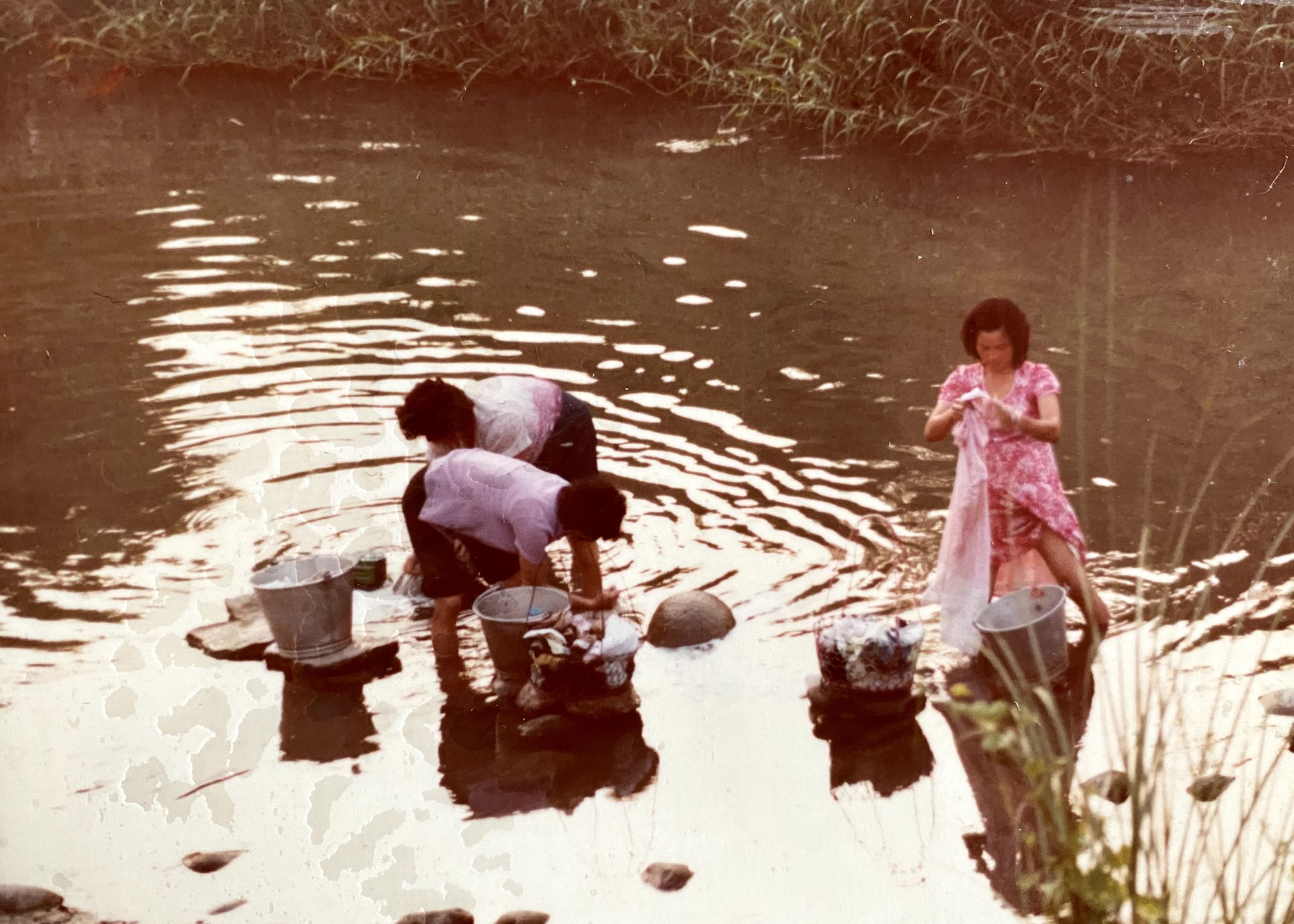
在传统论述中的客家社会,家家户户中的女性是劳动工具的代名词:勤劳朴实、刻苦耐劳、勤俭持家或是大英百科全书中强调客家妇女是精力充沛的劳动者。国外历史学者说客家女性勤劳得像是母牛,或者说像是牛奶上面的起士:「客家妇女对她们的丈夫是非常尊敬及顺从的。」

In the traditional discourse of Hakka society, women were viewed as hardworking, thrifty, tenacious, and diligent.
在傳統論述中的客家社會,家家戶戶中的女性是勞動工具的代名詞:勤勞樸實、刻苦耐勞、勤儉持家或是大英百科全書中強調客家婦女是精力充沛的勞動者。國外歷史學者說客家女性勤勞得像是母牛,或者說像是牛奶上面的起士:「客家婦女對她們的丈夫是非常尊敬及順從的。」

In Sleep, Oh Hyun-su (Lee Sun-kyun) develops parasomnia, which creates monumental stress for him and his wife, Jung Soo-jin (Jung Yu-mi).

大家或许听过一个中华民国的「国语」如何制定的故事。中华民国成立时,政府要选一个方言做为国语,当时北京话已经通行全国,自然成了首选。然而,因为首创革命的中山先生是广东人,所以部分人士支持以广东话为国语。双方僵持不下,只好投票决定。最后广东话输了一票,所以国民政府就采用北京话为国语。真的假的?这篇就来谈谈这段现代汉语发展的往事,一探关于制定国语的传说。

