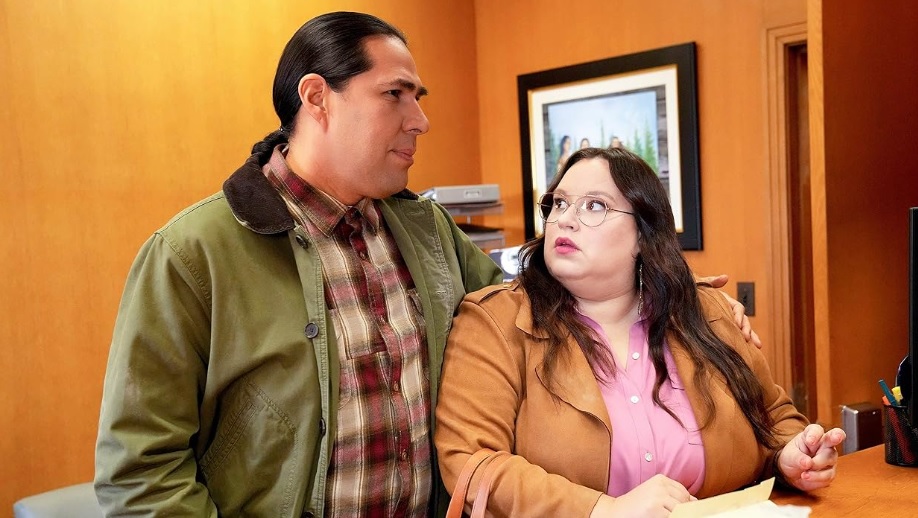
From stereotypes to sovereignty: How Indigenous media makers assert narrative control
Over the last 30 years, we have seen exponential growth of Indigenous media and Indigenous media makers, especially here in Canada.

Over the last 30 years, we have seen exponential growth of Indigenous media and Indigenous media makers, especially here in Canada.

Puoane trained at the Federated Union of Black Artists, an alternative academy for artists denied access to whites-only institutions.

Baloji is a photographer, filmmaker, installation artist, and curator whose work allows us to revisit Congo’s past.

Performances by Takamine are like time capsules, offering insights into changing roles and expectations of women in a rapidly evolving Japan.

Fújì did not begin as a secular and commercial sound. Its musical ancestor, wéré, was a seasonal Islamic performance during Ramadan.
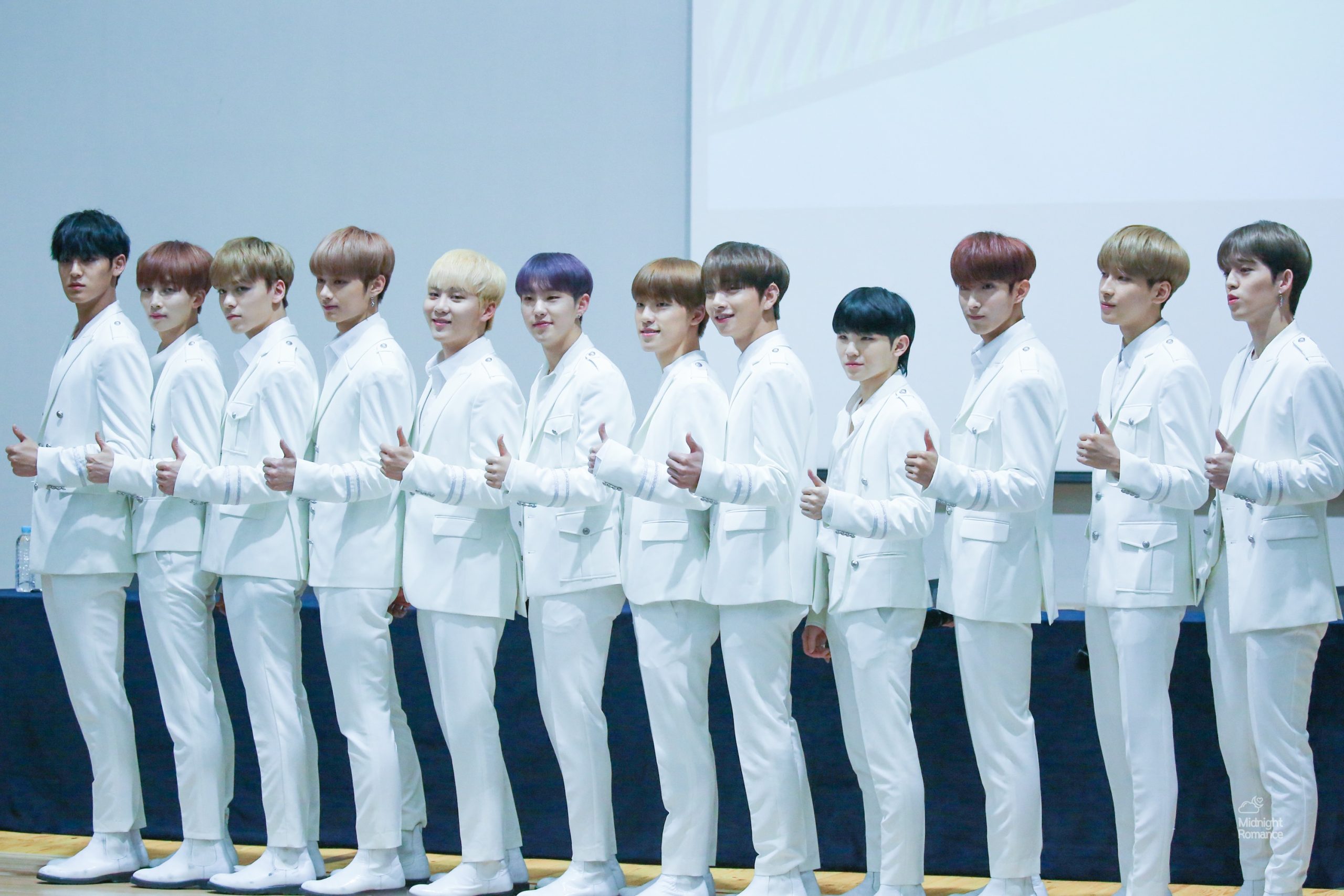
The K-pop band’s name is Seventeen even though it doesn’t have that many members on-stage when it performs for its fans.
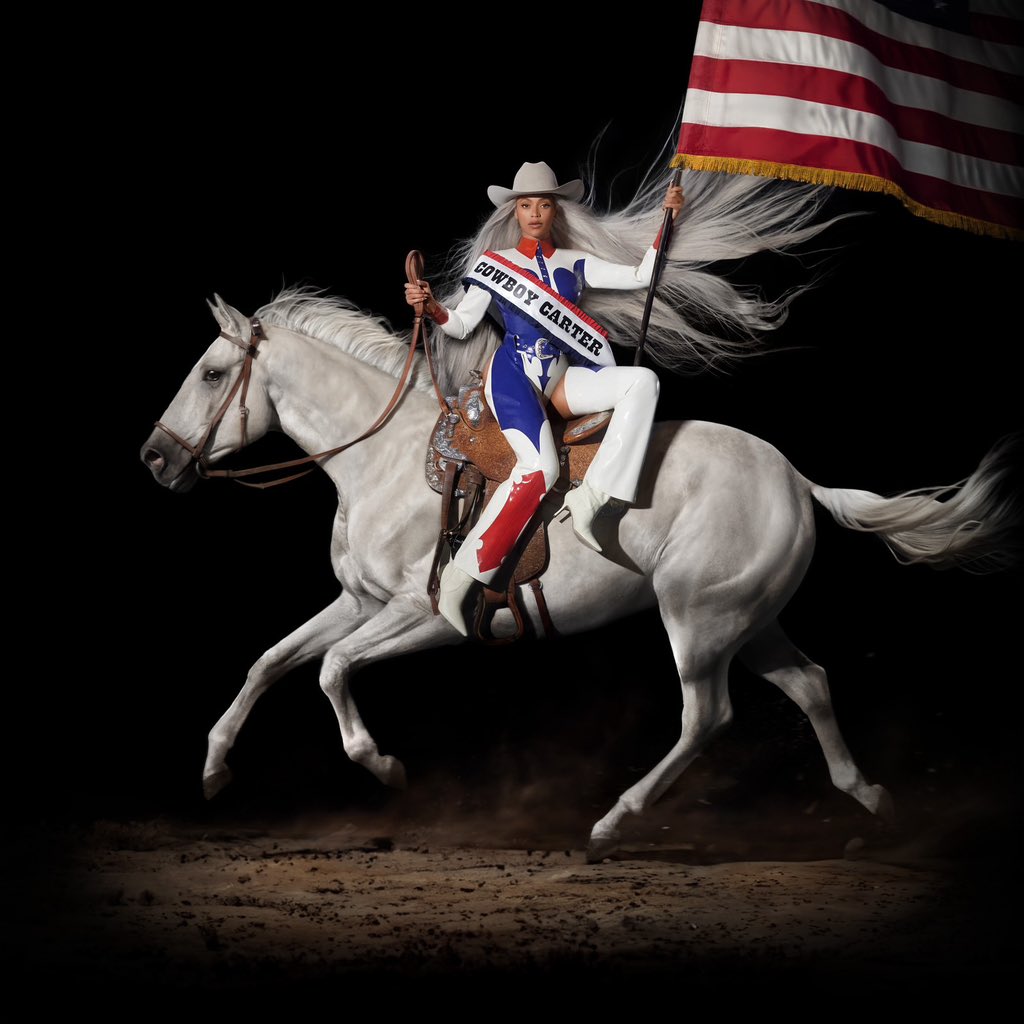
There was much anticipation about Cowboy Carter—and talk about the resistance some radio stations might have to it.

An upcoming show, “Our (Orihon) Nobuo”, will honour the artistic talents of Vancouver-born Nobuo Kubota at Shintani Gallery in Toronto.
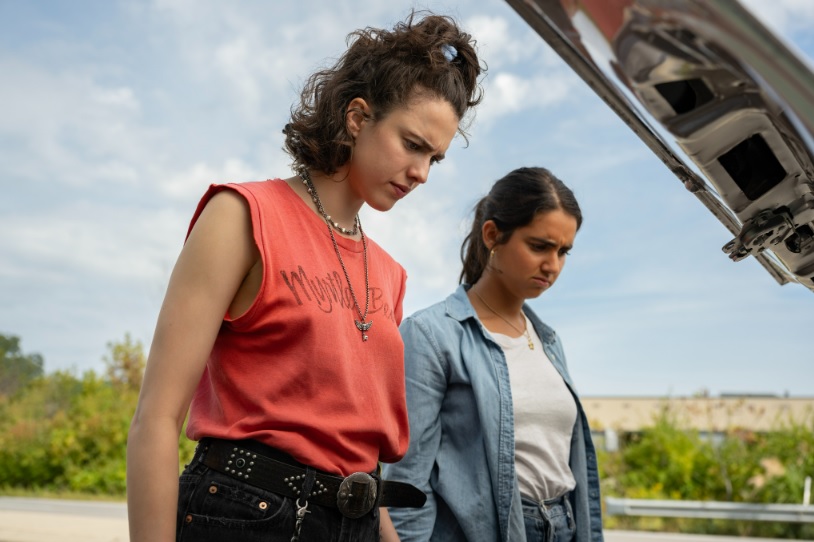
University of Portsmouth film and screen studies professor Deborah Shaw reveiws the history of lesbians in cinema.
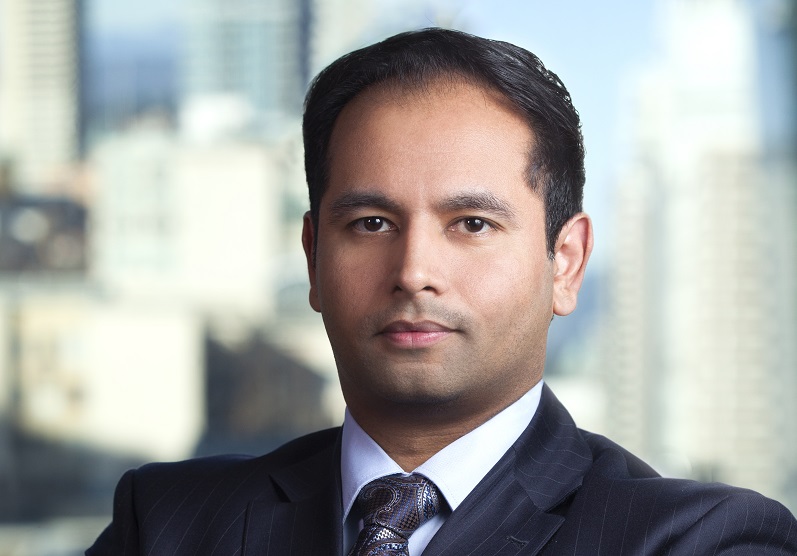
In a speech in Surrey, Narwal called on regulatory organizations to commit to the B.C. government’s anti-racism data mandate.

