
“Indigenizing” universities means building relationships with nations and lands
Decolonizing Canadian academia pertains to how work is done on campuses, as well as how universities engage with broader communities.

Decolonizing Canadian academia pertains to how work is done on campuses, as well as how universities engage with broader communities.
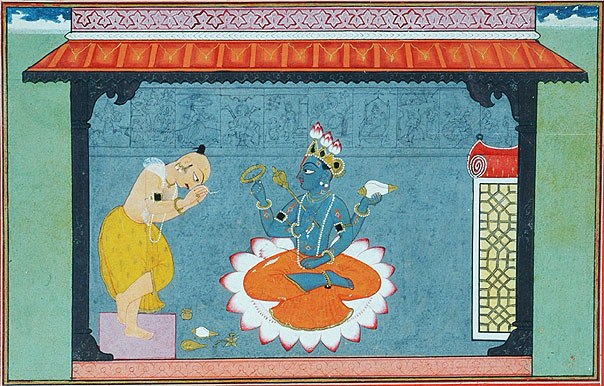
Hindu “bhakti”, or ecstatic devotion, is a literary tradition that birthed some of the most stirring mystical poetry in the world.

McMaster academic Alpha Abebe cites the example of Eden Hagos (right), founder of Black Foodie (beside African content creator Yvonne Ben).

A music industry scholar questions whether a biopic about the reggae superstar is just another extension of the Marley marketing machine.

Bunin artist Ali Istanda created a design called 13 Months, which will be on a lantern at Jack Poole Plaza from February 9 to 27.

Yaghoubi has written Evina’s Barrier as the second installment of a trilogy about women who seek the help of therapists to overcome obstacles.

Professors of education and disability ethics offer advice after 30 years of researching, teaching, and giving talks disability and ableism.

A UBC lecturer maintains that the most potent and painful relationship between Catan and our world today remains largely unexamined.

A scholar at SFU says that some people with immigration experience repeatedly face demands to demonstrate their legitimacy to the country.

Lunar New Year can be a truly intercultural celebration that forges deeper connections and new friendships based on genuine understanding.

