
Marjane Satrapi’s masterpiece, Persepolis, transformed the world’s understanding of Iran
Satrapi illustrated the dislocations of revolution, migration, adolescence and return.

Satrapi illustrated the dislocations of revolution, migration, adolescence and return.

Hriday Buddhdev will make his international debut on June 3 at the Nehru Centre in London—one of the U.K.’s most storied Indian arts venues.

Wanjara Nomad Collections makes the case for Canada not confusing colonial archival continuity with historical justice.
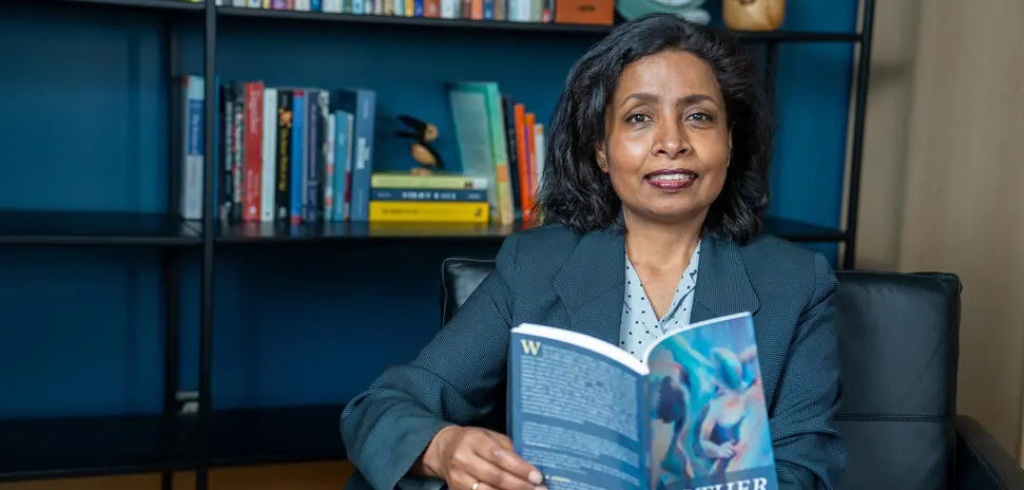
Poetry belongs where people gather. It can enter a library, a classroom, a transit station, a public square or a commemoration.

Several approaches can help manage news fatigue and protect mental health.

Racial microaggressions, specifically, are experiences of racism that take the form of slights, exclusions, assumptions, and invalidation.

Producers can now submit films to the fourth annual Sundar Prize Film Festival, which will take place in April 2027.

The novel follows fictional Japanese novelist Aoyama Chizuko and her Taiwanese interpreter, Ō Chizuru as they travel across colonial Taiwan.

The challenges of an aging population and workforce shortages mean that digital transformation in healthcare is now essential.

The “AI disclosure penalty” reminds us that the consumption of art is not tied to purely aesthetic considerations.

