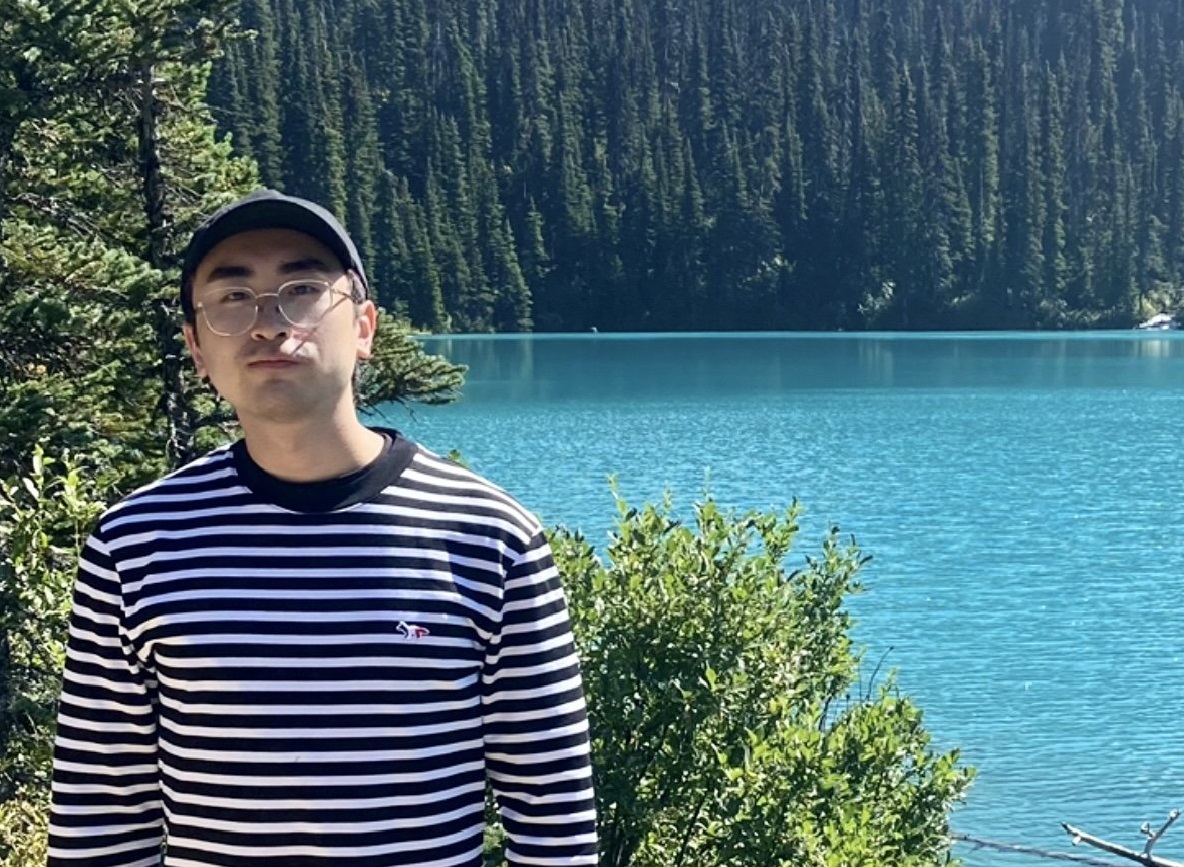
Artist Peisen Ding fuses western and eastern traditions to explore feelings and connections
The artist in residence at Branscombe House feels that his practice has been shaped by living in Nanjing, the U.K., and Metro Vancouver.

The artist in residence at Branscombe House feels that his practice has been shaped by living in Nanjing, the U.K., and Metro Vancouver.

While researching her PhD at UBC, Fong gained deep insights into how Chinese Canadian history is represented in museums.

Dai plays two roles—Ding and Policeman—in Leanna Brodie and Jovanni Sy’s play Salesman in China, which is part of the Stratford Festival.

As the Institute of Asian Art approaches its 10th anniversary, Chen notices a great deal of fear about Asia’s growing role in the world.

As part of Pancouver’s “Beyond Chinese” series, Lue also discusses her Jamaican Chinese family background.

Wong and Jiménez are currently touring in Canada and will perform at the Vancouver International Flamenco Festival on September 20.
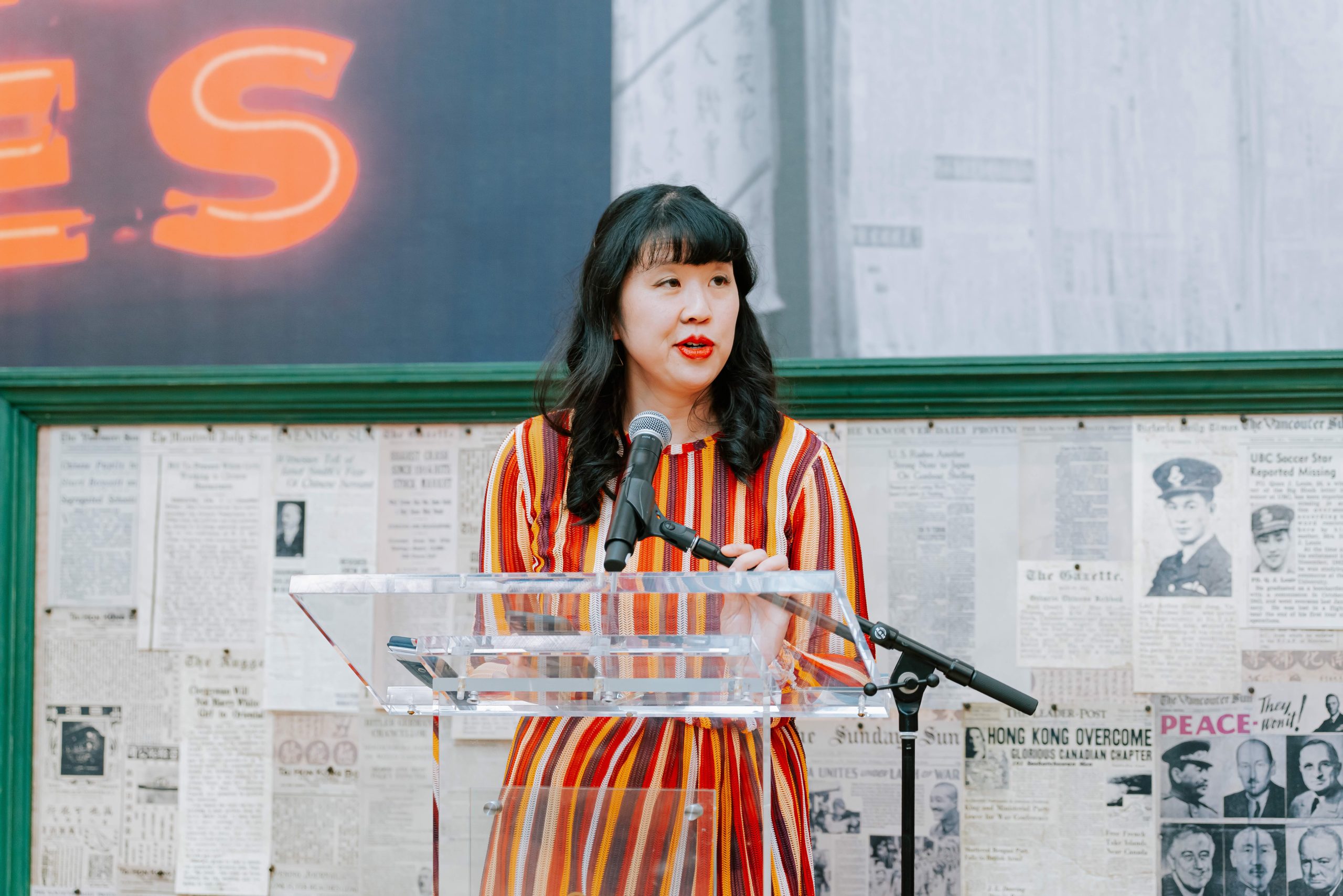
Lee wants the Chinese Canadian Museum to present a nuanced view of people with roots in China who helped build this country.
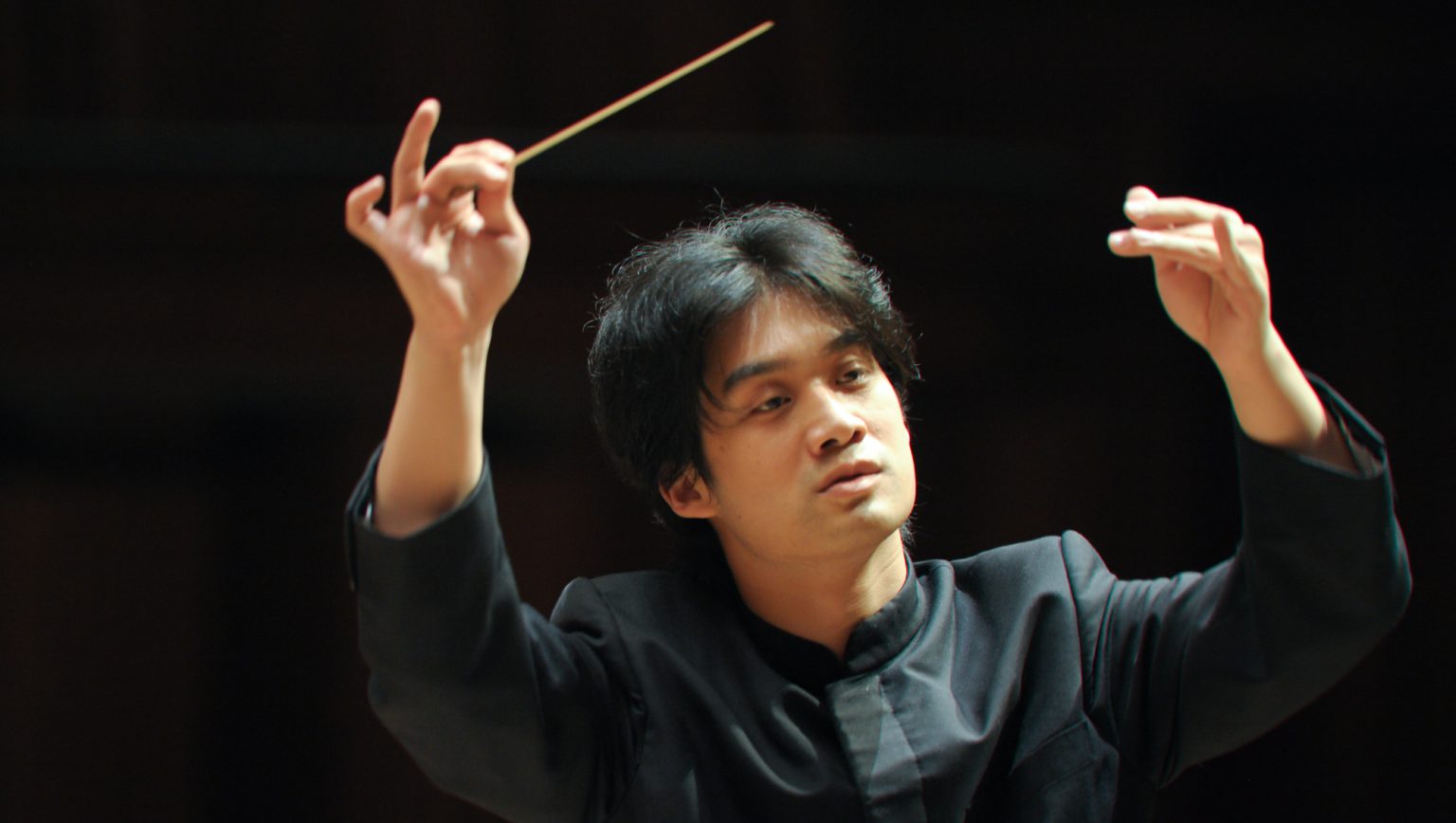
Hsieh will conduct piano soloist Stéphane Lemelin in his orchestra’s season-opening concert at the Orpheum Theatre on Friday (September 6),

Lewis says that after moving from Taiwan to Canada, music enabled her to express her sadness and longing for home.
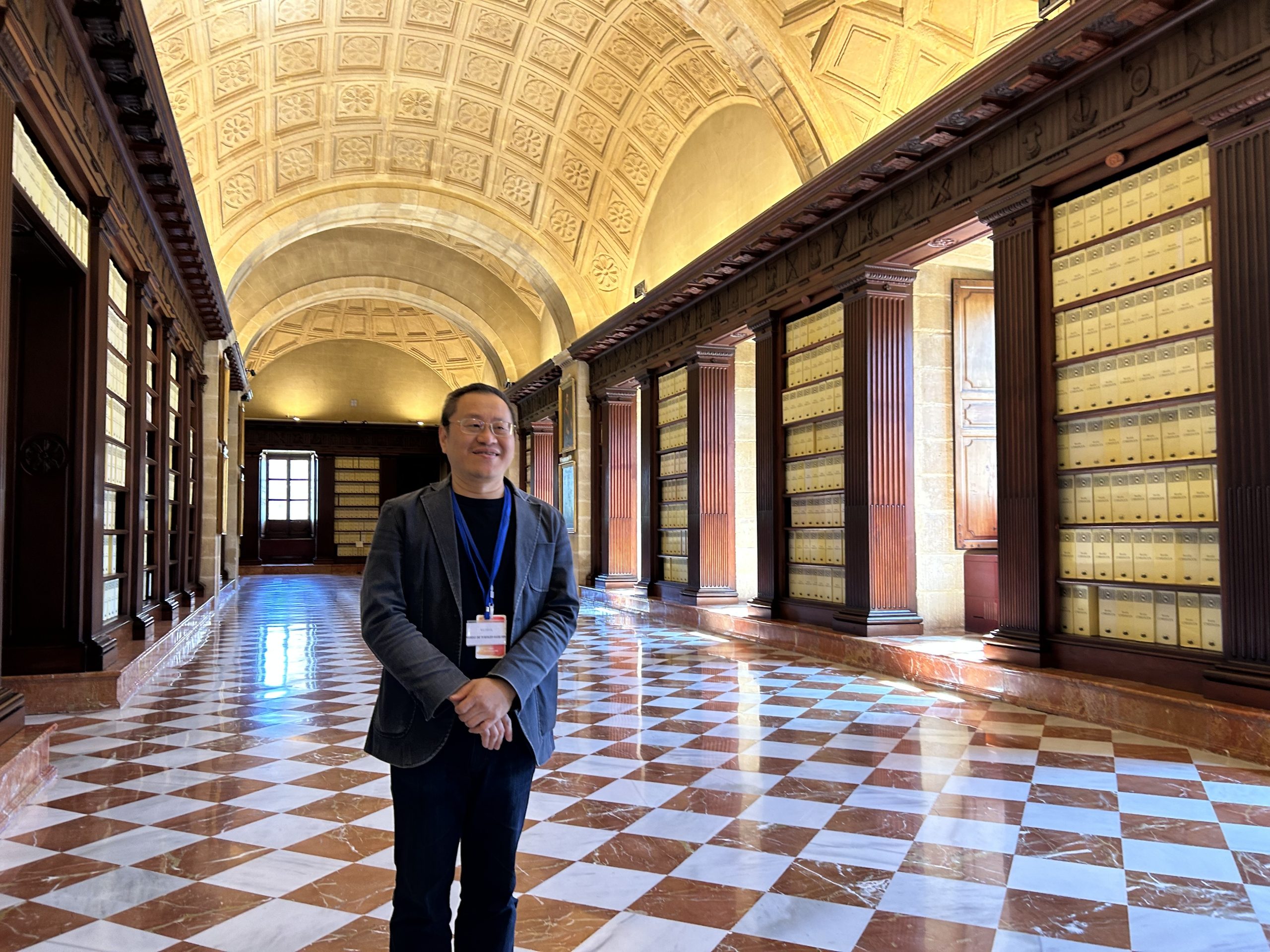
Lee, a historian at National Tsinghua University, noted that mixed-race offspring often helped with translation, which facilitated commerce.

