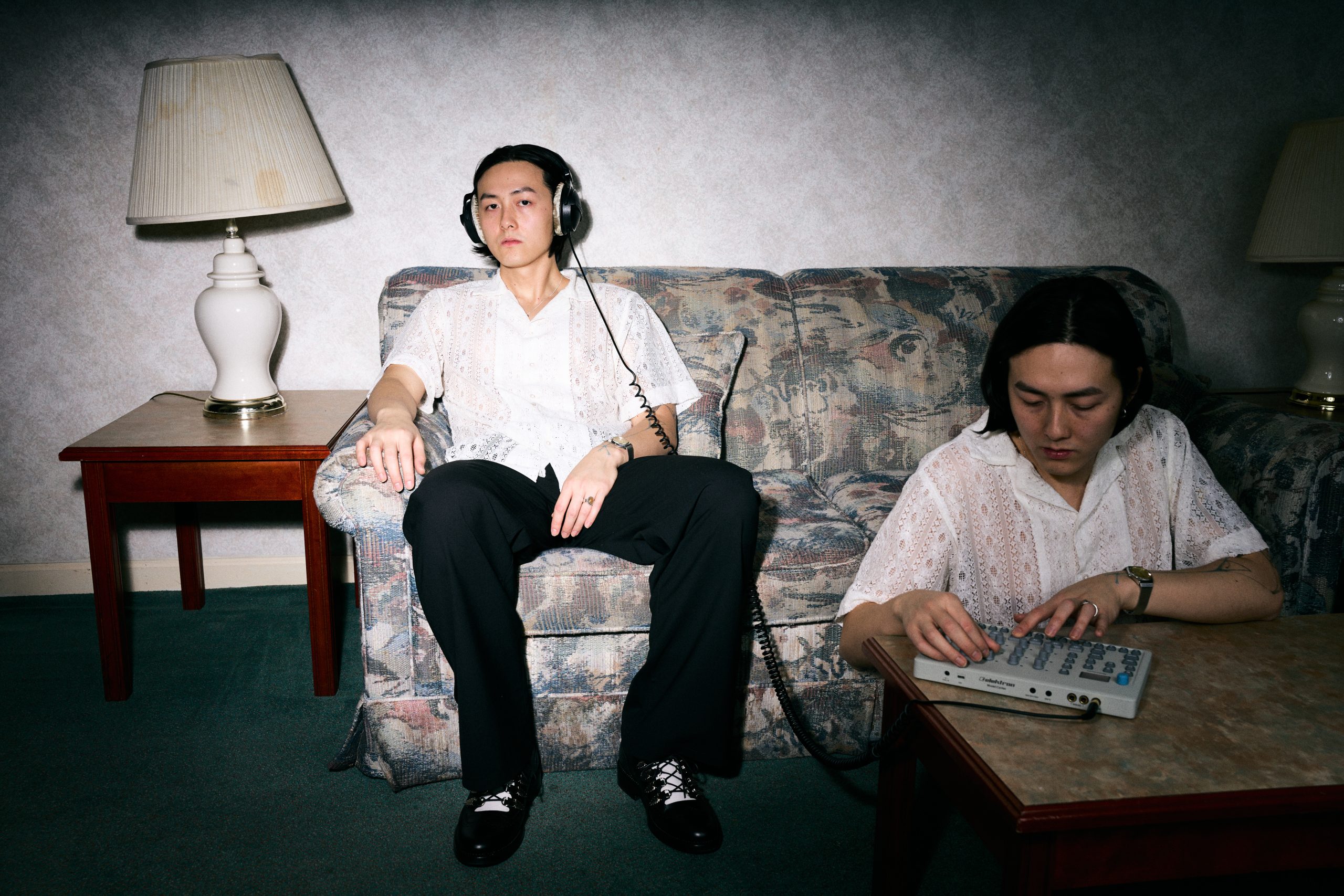
Vancouver hip-hop artist handwash fills the gap in Cantonese urban music
The Hong Kong–born handwash addresses patriarchy, identity, and self-improvement in his songwriting, often with a light touch.

The Hong Kong–born handwash addresses patriarchy, identity, and self-improvement in his songwriting, often with a light touch.

Lee is a media artist, DJ, and artistic director, chief curator, and co-founder of the Chapel Sound Art Foundation.

Kao has developed a fascination with Japanese folklore and mythology—and she’s particularly enamoured with spirits known as yōkai.

In the traditional discourse of Hakka society, women were viewed as hardworking, thrifty, tenacious, and diligent.
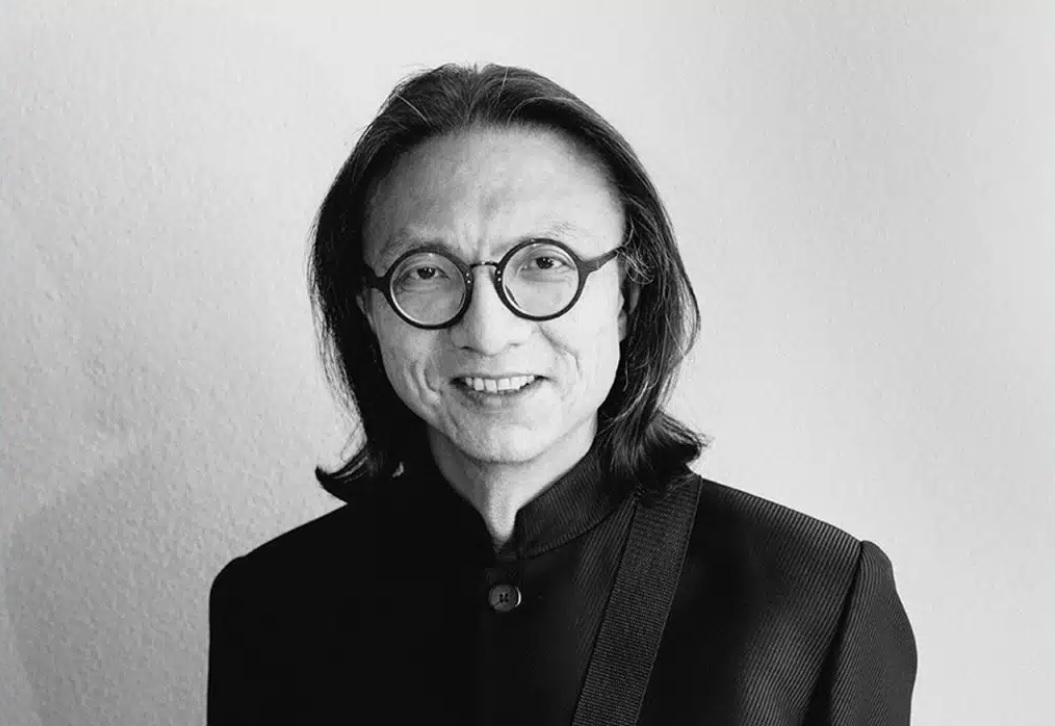
A former professor explains how the republican government of China settled on a standard language in a country with hundreds of dialects.
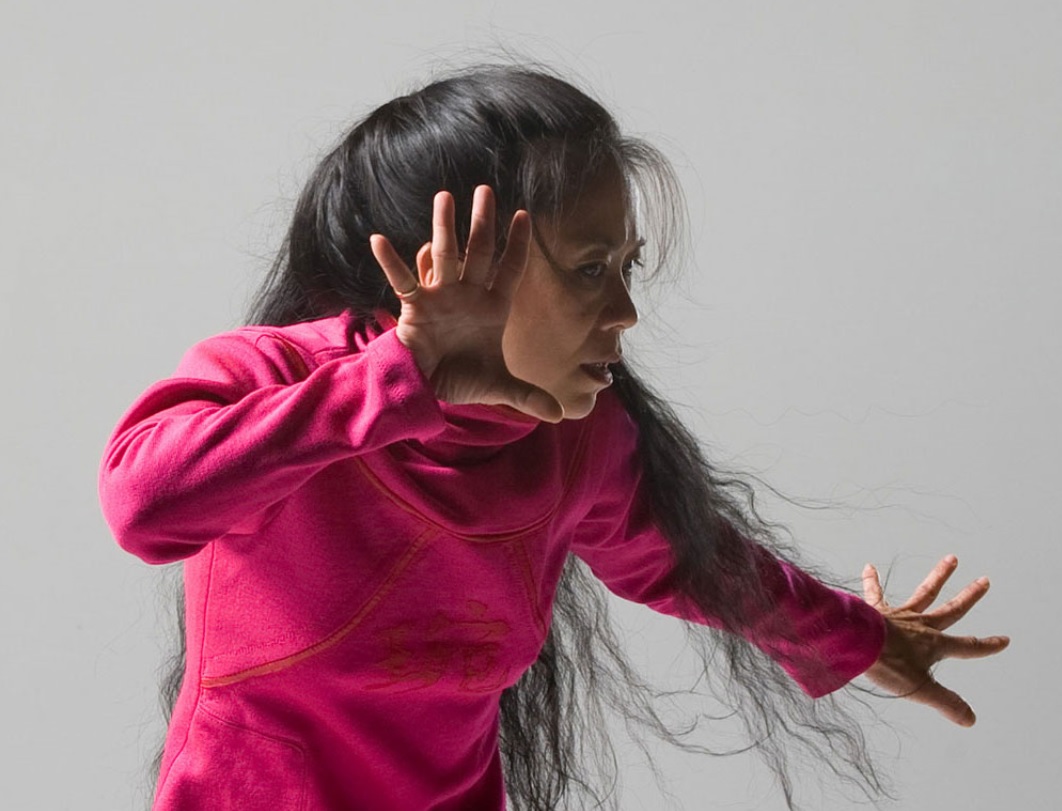
Ng is looking forward to two performances of her work at the Firehall Arts Centre as part of Dancing on the Edge.
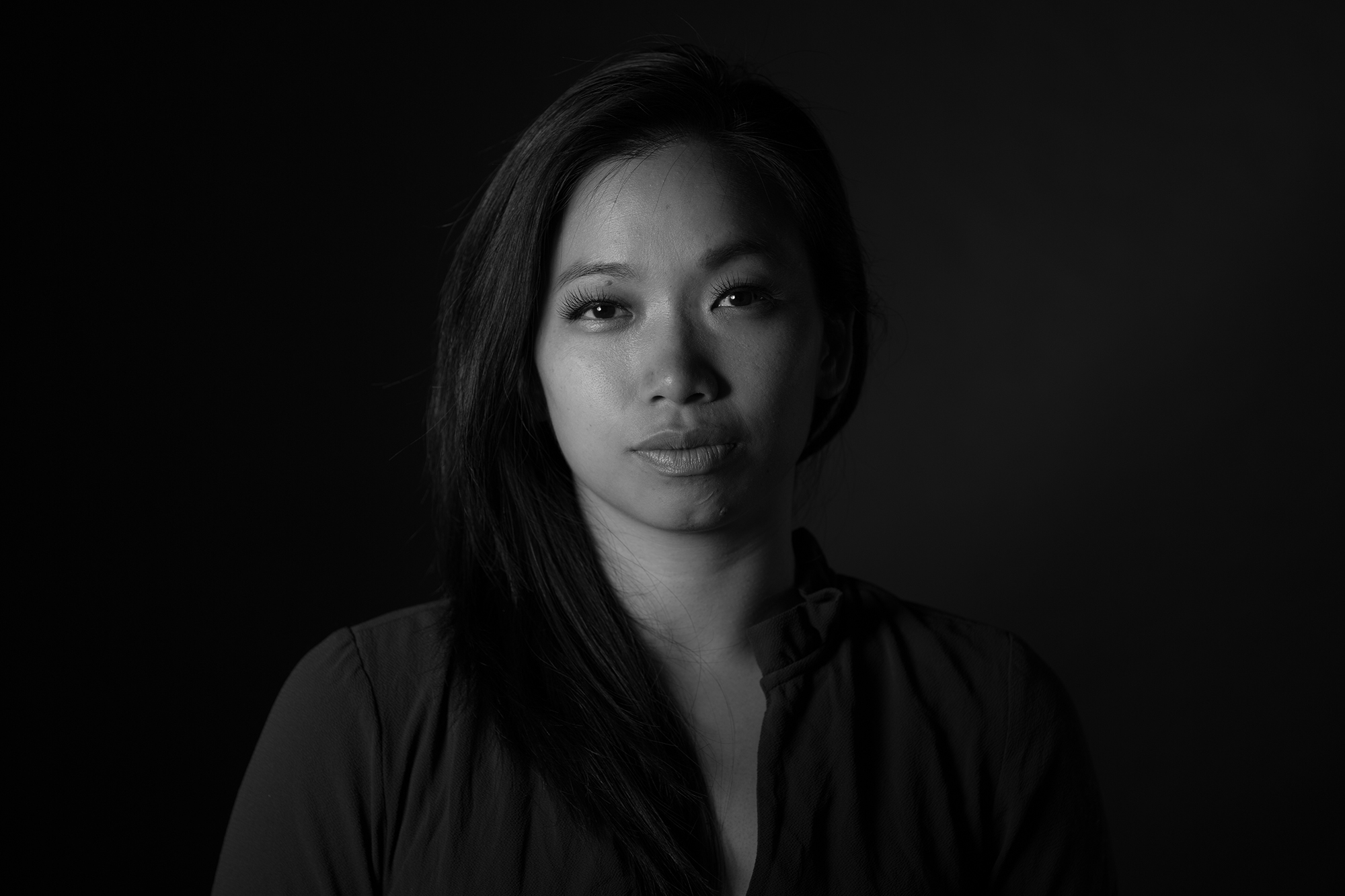
Liu says that her work as a movement artist is informed by growing up Asian on unceded Indigenous territory in northwestern B.C.

Cheung is a member of the OURO Collective, which is presenting the inaugural OUROFEST from May 25 to 28 at three locations.

Liu reflects the hybridity in his practice in two pieces that are part of The Show exhibition at Emily Carr University of Art + Design.
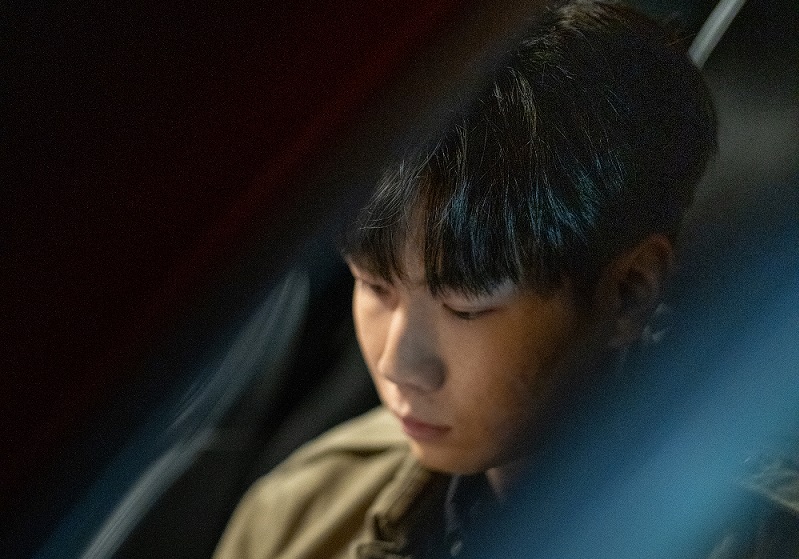
Shinlok will perform at the Vancouver Hong Kong Fair, which will take place on Sunday (May 5) at The Shipyards in North Vancouver.

