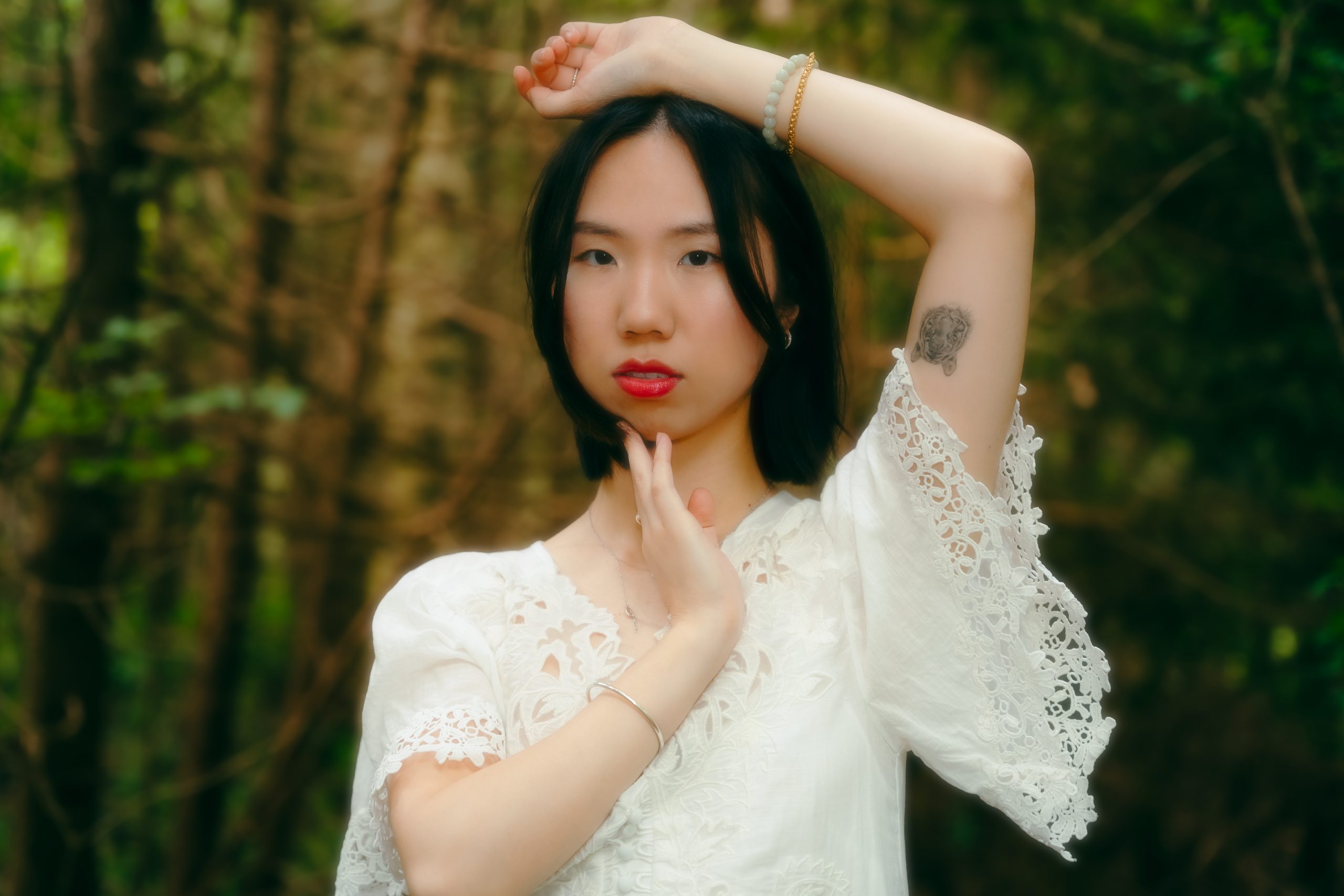
Jazzy Jacqueline Teh dishes on songwriting, teaching, singing in Chinese languages, and the Jade Music Fest
Teh thinks that lyrics forge a genuine connection when it feels like someone is speaking them directly to you.

Teh thinks that lyrics forge a genuine connection when it feels like someone is speaking them directly to you.

Liu, an immigrant from China, launched the Vancouver International Music Festival to benefit young classical musicians and vocalists.

In a digital revolution turning established narratives on their head, the countryside China is emerging as an epicentre of viral content.

Reporting on military emissions is voluntary. Thus, the public has a poor understanding of the relationship between war and global heating.

Sierra William, Loretta Jeff, and Chantu Williams sit with three of the 29 qatŝ’ay (coiled root baskets) back in Tŝilhqot’in territory.
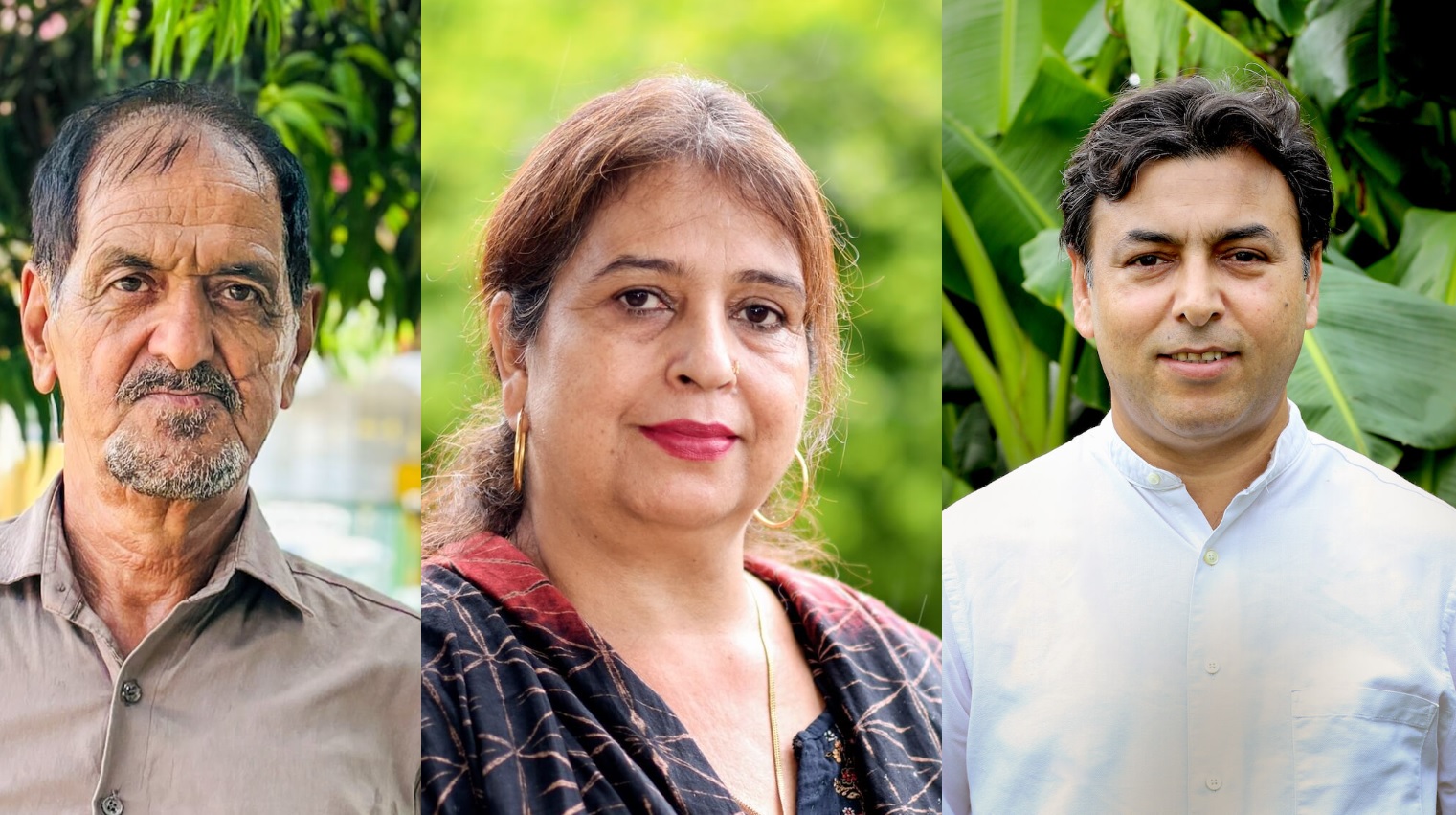
Short story writers Jinder, Surinder Neer, and Shahzad Aslam are in the running for this year’s Dhahan Prize for Punjabi Literature.
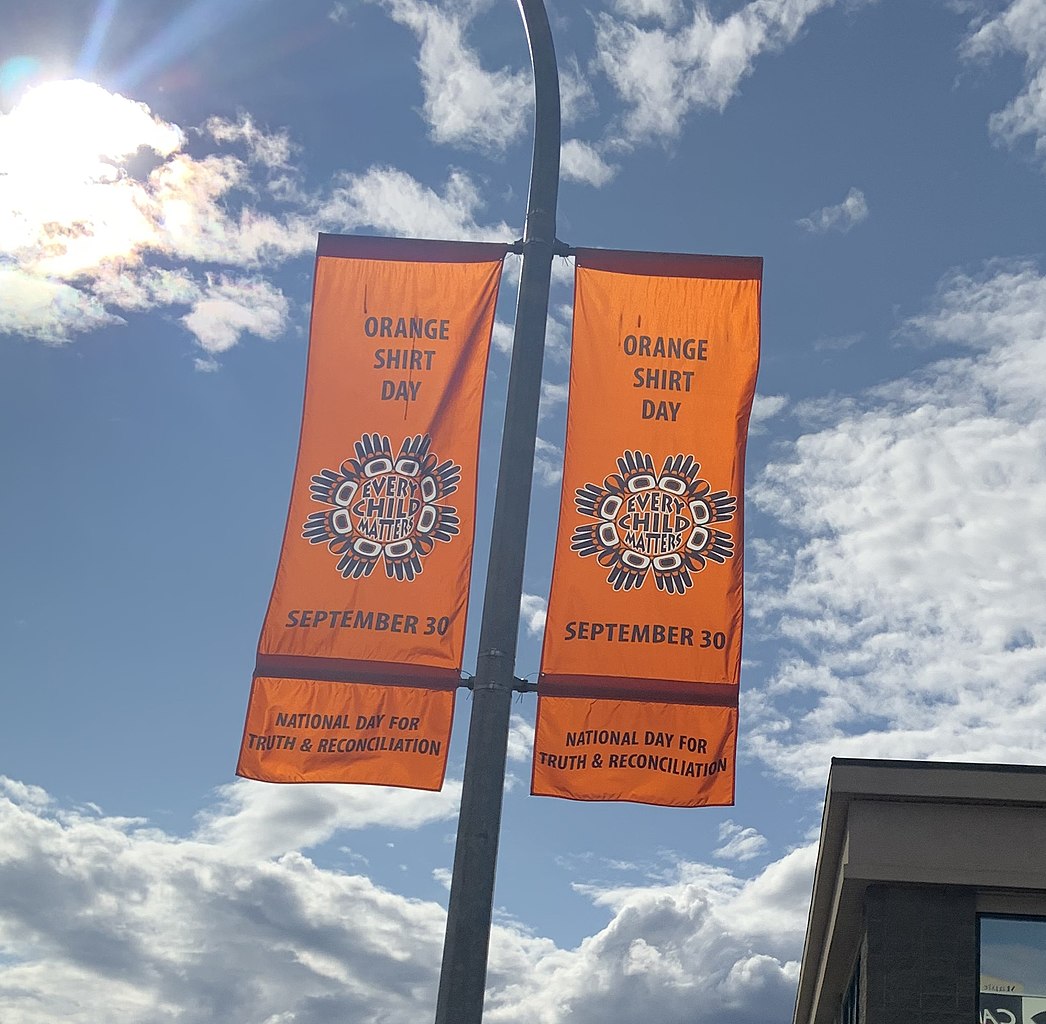
Institutions must ask how cultural backgrounds of Indigenous students are appropriately honoured and reflected in university programming.
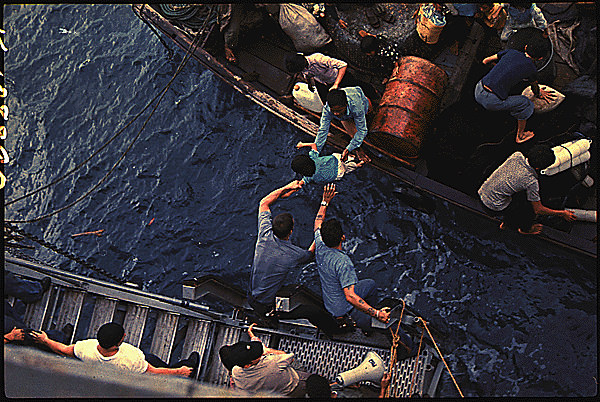
Children of political immigrants told Concordia researchers that their communication in Vietnamese involved less personal conversations.
Looting art in times of wars was not new. What made European colonial looting distinctive was that it filled a specific institution—museums.

According to one study, “green prescriptions”—which include spending time in nature—are a cost-effective measure in addressing anxiety.

