
With A Performance in the Church, filmmaker Hsu Chia-Wei breaks new ground in uncovering Spanish colonization of Taiwan
Hsu maintains that archaeology is how human beings are able re-create a time and space that they have never experienced.

Hsu maintains that archaeology is how human beings are able re-create a time and space that they have never experienced.

Decolonizing Lens is a film and discussion series that brings together Indigenous filmmakers, their films, and audiences.
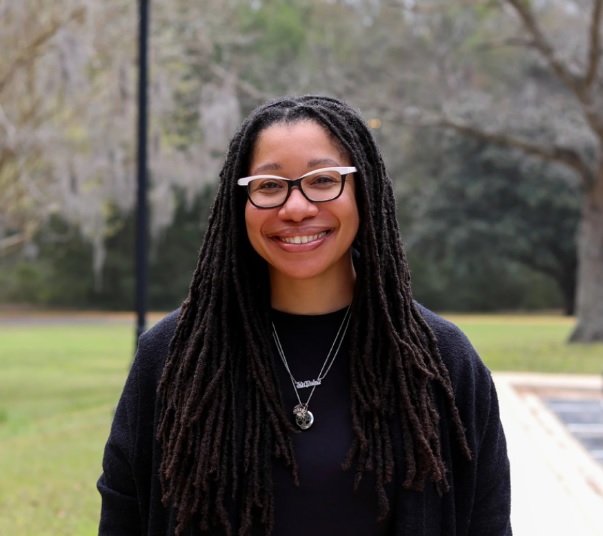
Florida State University academic Alisha Gaines wrote about this in Black for a Day: White Fantasies of Race and Empathy.
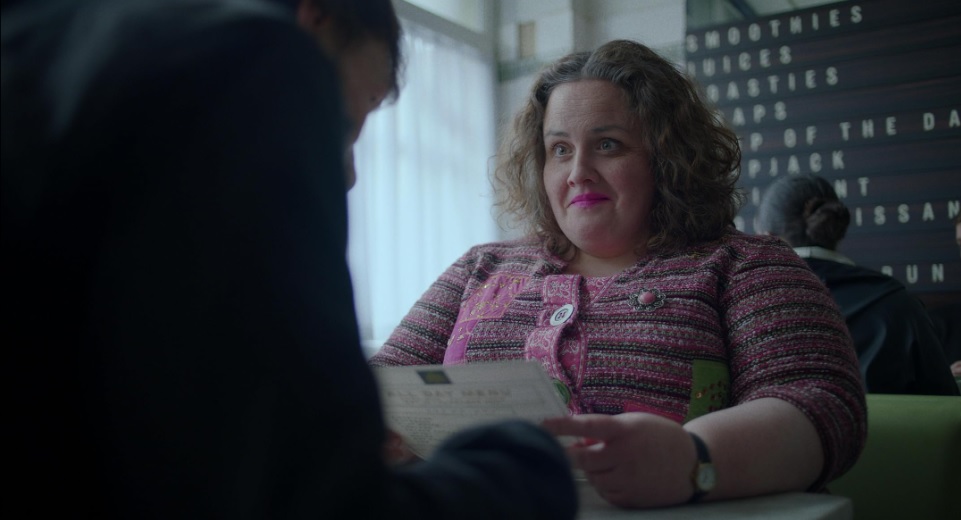
A PhD student in forensic criminal psychology at SFU offers his take on a popular Netflix miniseries about stalking.
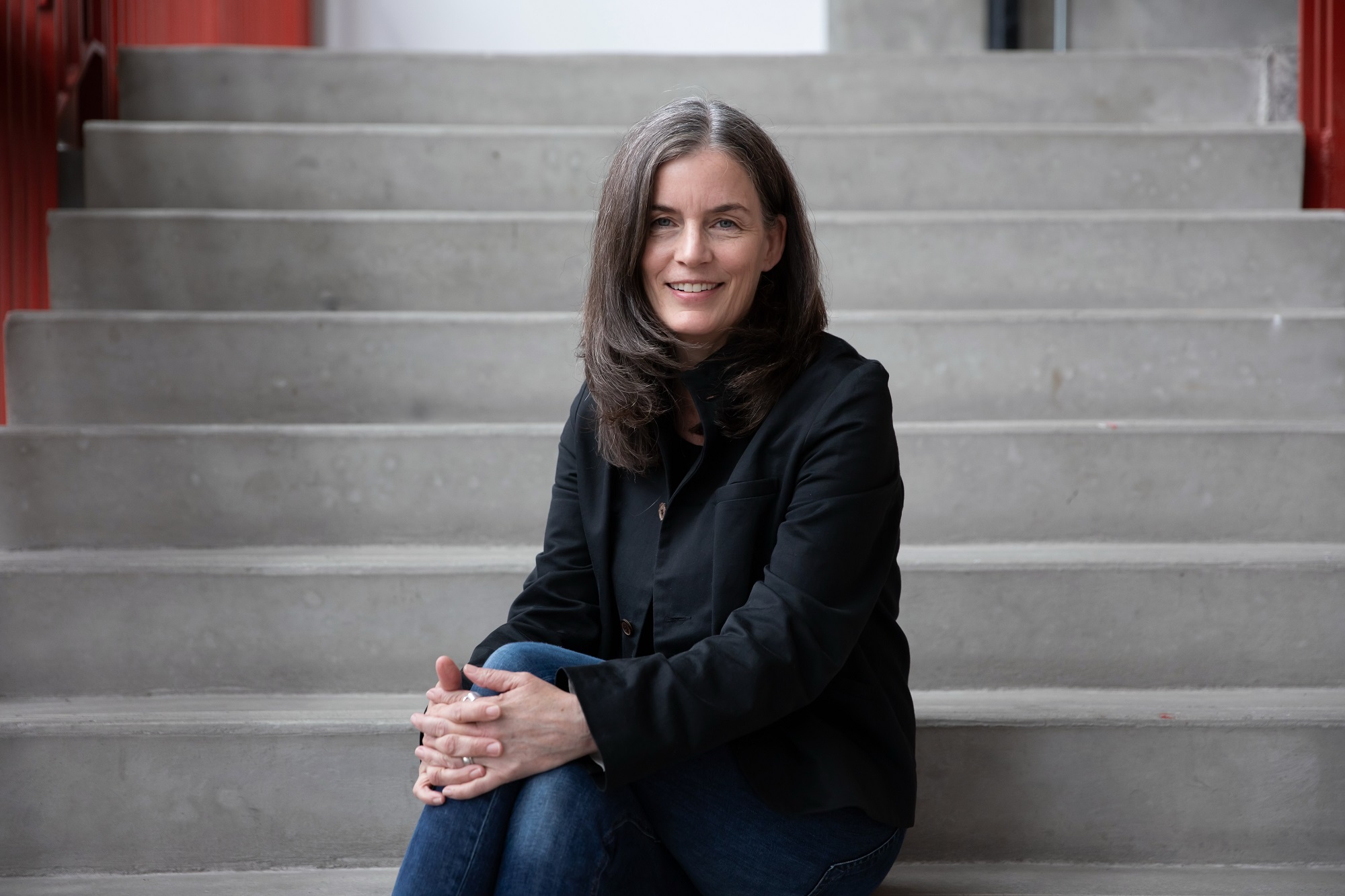
Kelly was interim president prior to receiving the job on a permanent basis. She has also held other senior positions at the university.

Jackson is executive producer and one of the judges on the APTN Indigenous reality show, which begins its second season on June 4.

Many arts graduate students aspire to become professors but Canada produces far more doctorates than available academic jobs.

The keffiyeh, a symbol of Palestinian culture and heritage, was banned in the Legislative Assembly of Ontario in March by the Speaker.
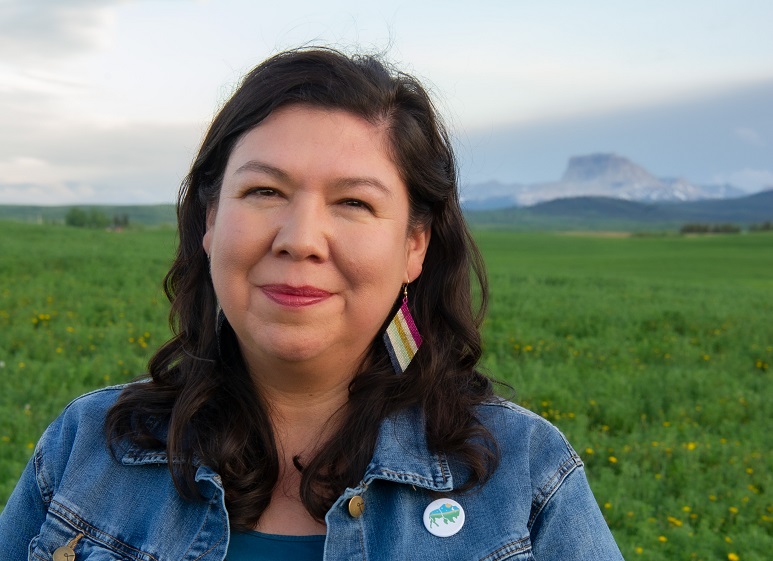
Filmmaker Tasha Hubbard tells a story of the interdependency of Indigenous people and the buffalo that remains strong to this day.

Those who value money and profit above everything are not entirely rational when it comes to protecting human health.

