Democracy from the front lines: How Taiwan and the Taiwanese diaspora combat global isolation
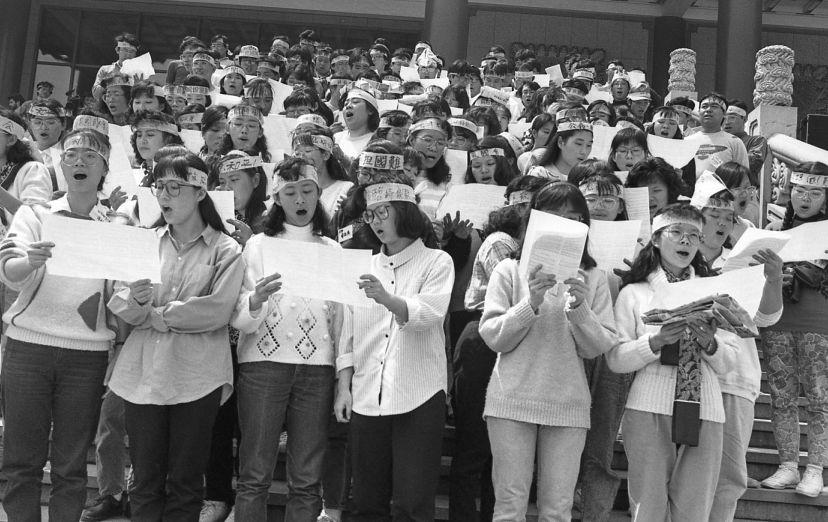
In 1990, March Student Movement activists gathered in Chiang Kai-shek Memorial Hall Plaza in Taipei to demand democracy for Taiwan.

In 1990, March Student Movement activists gathered in Chiang Kai-shek Memorial Hall Plaza in Taipei to demand democracy for Taiwan.
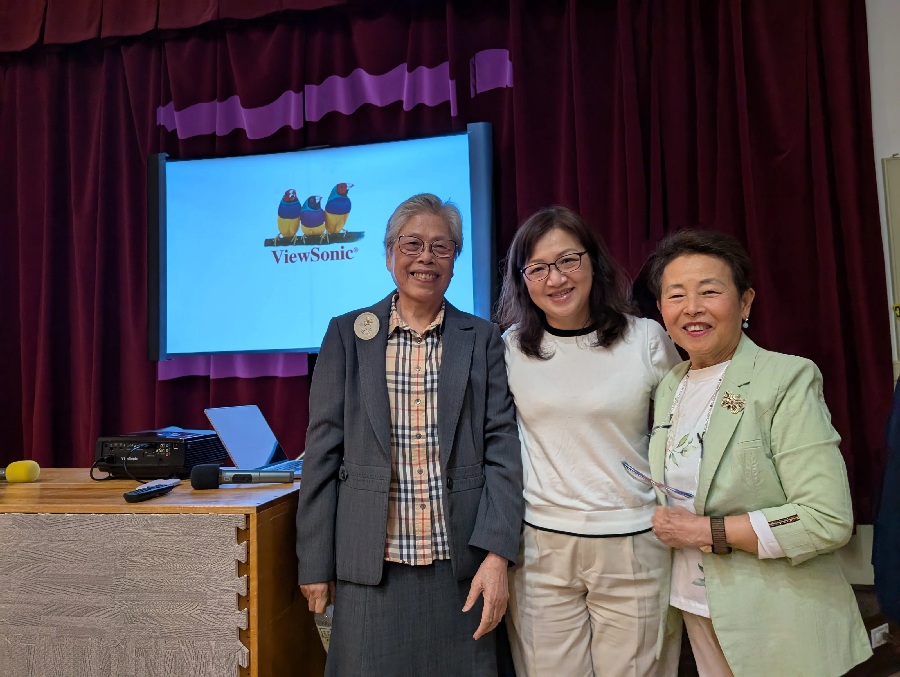
來自台灣的博物館館長近日於 Kerrisdale Presbyterian Church 發表演講,並引用知名藝術史學家 Peter Vergo 的觀點,說明博物館存在的真正價值。
来自台湾的博物馆馆长近日于 Kerrisdale Presbyterian Church 发表演讲,并引用知名艺术史学家 Peter Vergo 的观点,说明博物馆存在的真正价值。
Ya-Li Chen also highlighted Canadian connections to this history in a one-hour presentation at Kerrisdale Presbyterian Church.
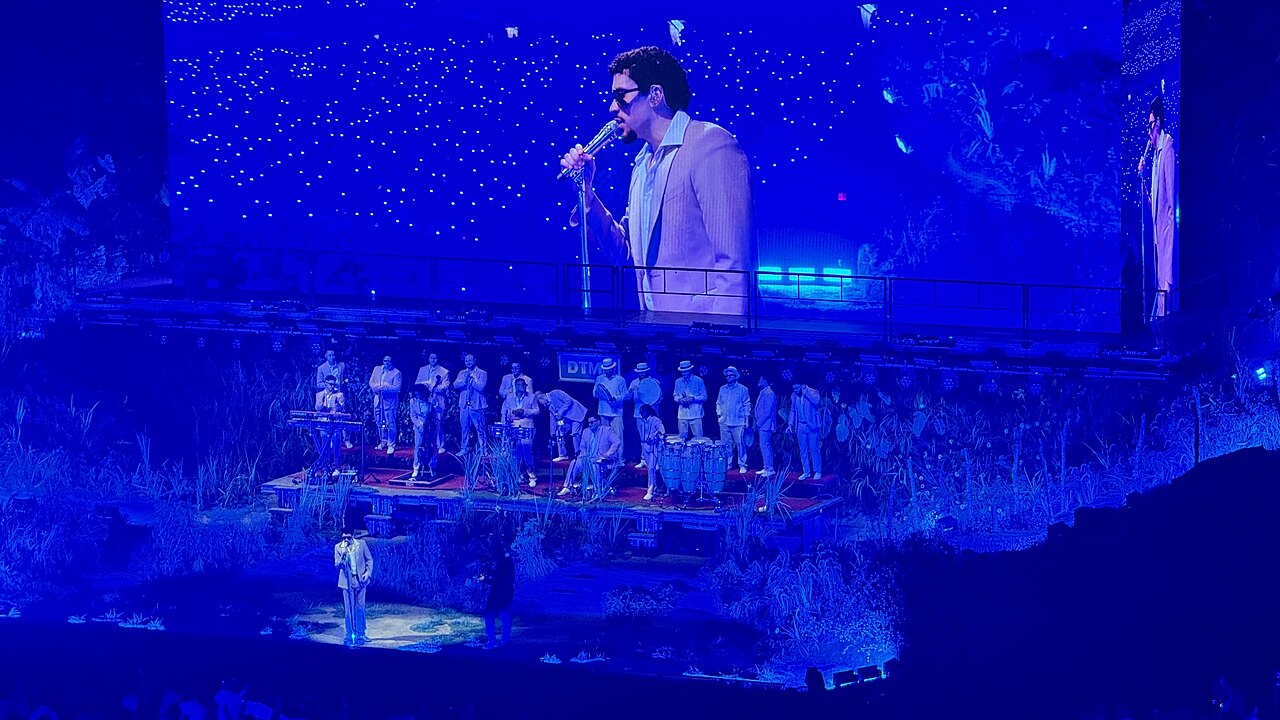
From Bad Bunny to Bizet, artists appeal to shared principles and patterns to connect people across cultures, languages, and generations.

Studies in museum education show that children learn through active engagement with objects, environments, and people
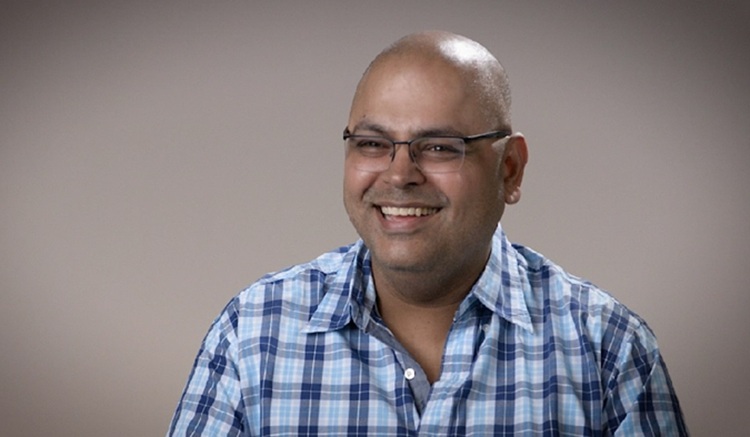
A large rainbow sticker left a large impression on a young social-work student who went on to become a leader in B.C.’s LGBTQ community.

Racial microaggressions, specifically, are experiences of racism that take the form of slights, exclusions, assumptions, and invalidation.
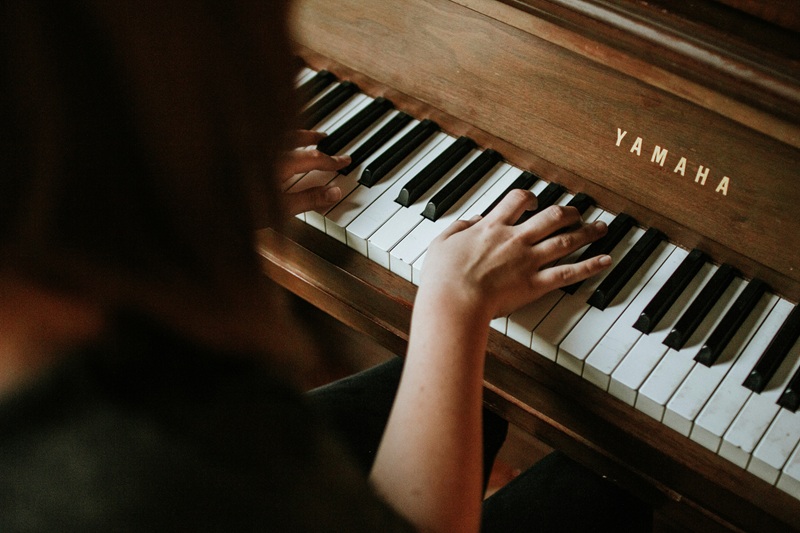
The “AI disclosure penalty” reminds us that the consumption of art is not tied to purely aesthetic considerations.
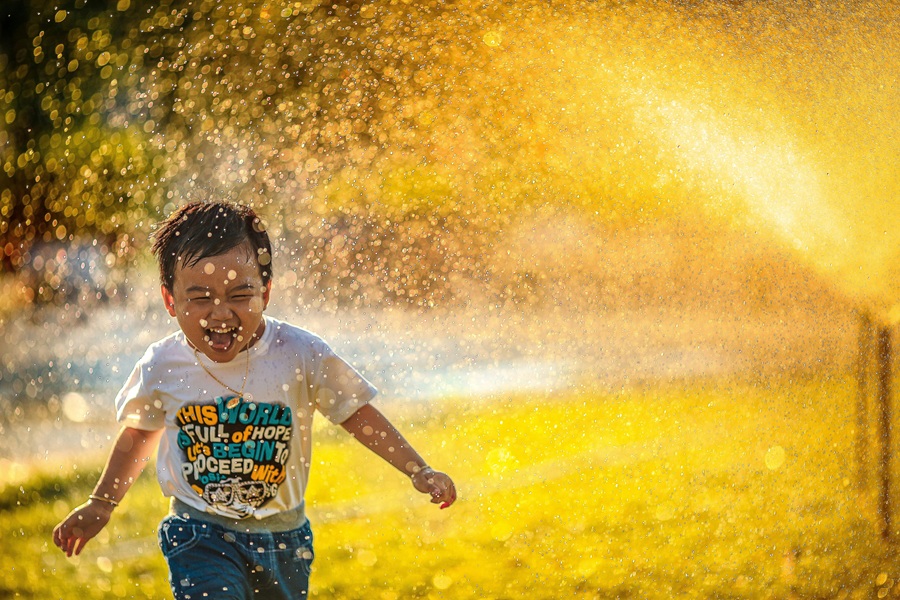
A commentary in response to a pushback against the Richmond School District’s decision to remove ribbons from its track and field event.

