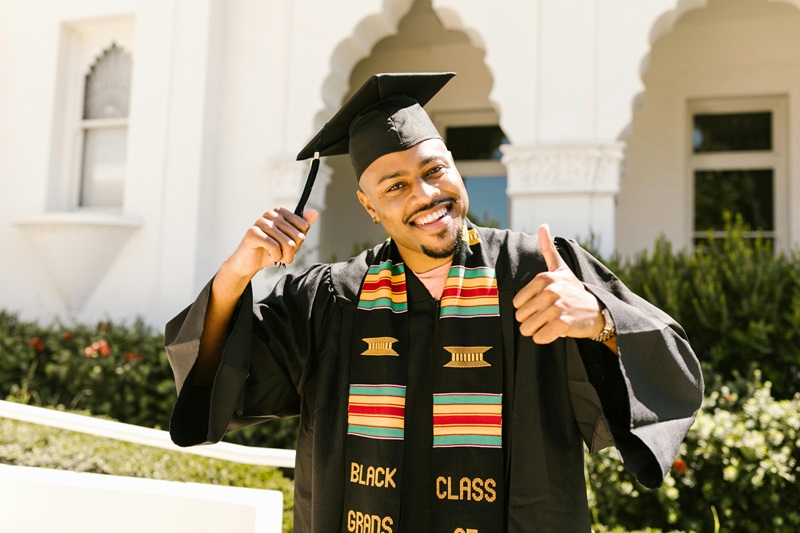
Why I celebrate Black graduation magic: An anti‑racist perspective
Black graduation ceremonies demonstrate how far we have come since the days of discriminatory post-secondary admission policies.

Black graduation ceremonies demonstrate how far we have come since the days of discriminatory post-secondary admission policies.
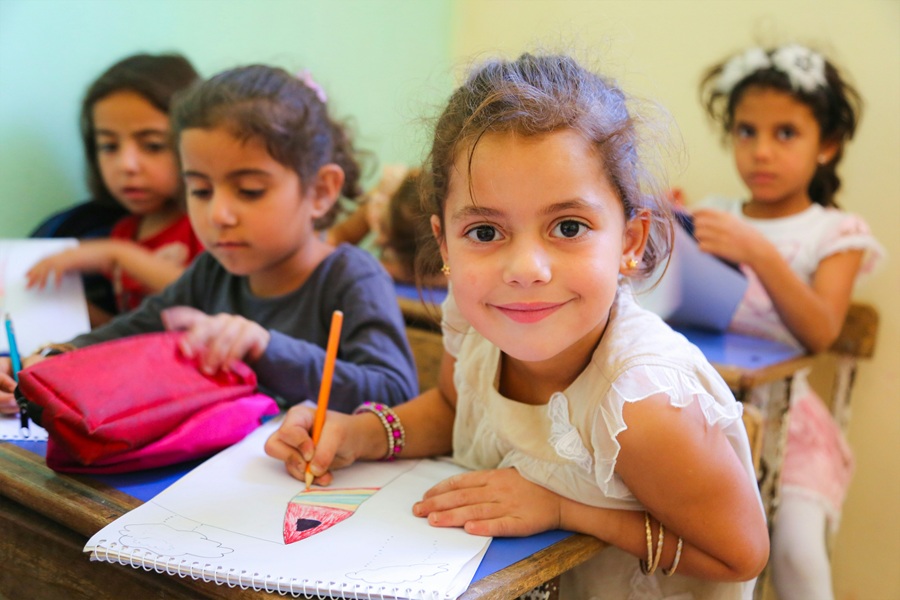
There can be negative impacts when educators repeatedly stumble over a child’s name or treat a child’s food or language as strange.

The “Cherokee syndrome” is a phenomenon in which someone bases a shallow Indigenous identity on an unverified distant Cherokee ancestor.
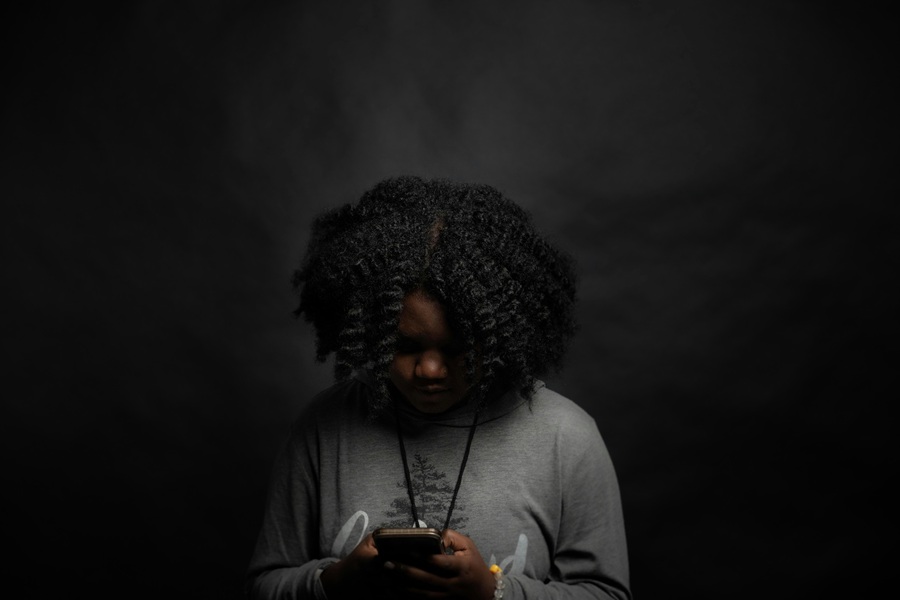
Thanks to algorithmic systems, AI narratives that tap into deep-seated fears and anxieties travel farther and faster than ever before.
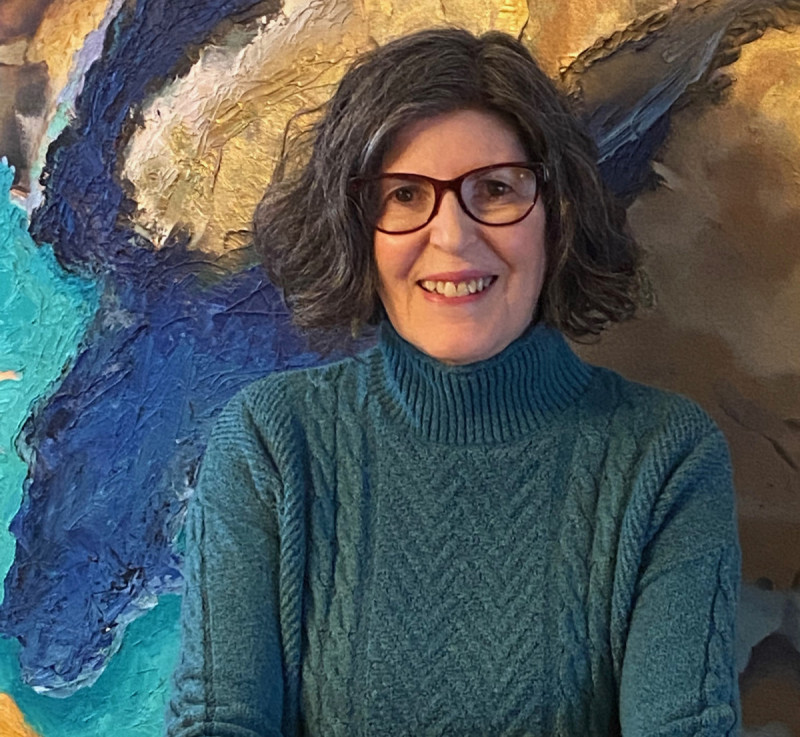
Matas has received more than 100 awards and honours, and her works have been translated into more than a dozen languages.
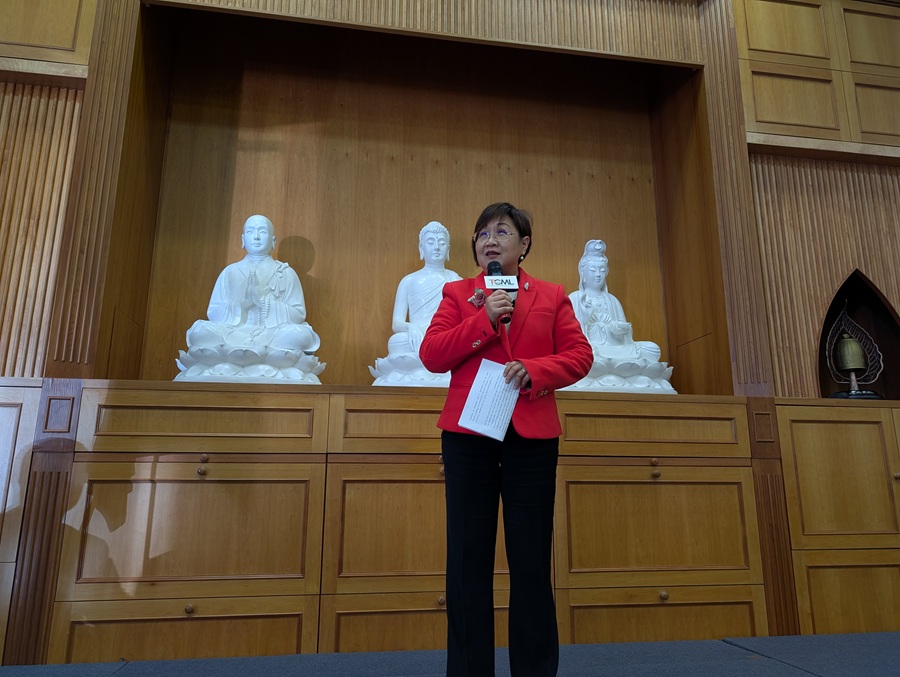
It’s not every day that a Taiwanese cabinet minister shows up in Vancouver. But on February 14, Hsu Chia-ching was at two remarkable events.

The premier says that his government is strengthening Holocaust education in the curriculum so every student understands this genocide.
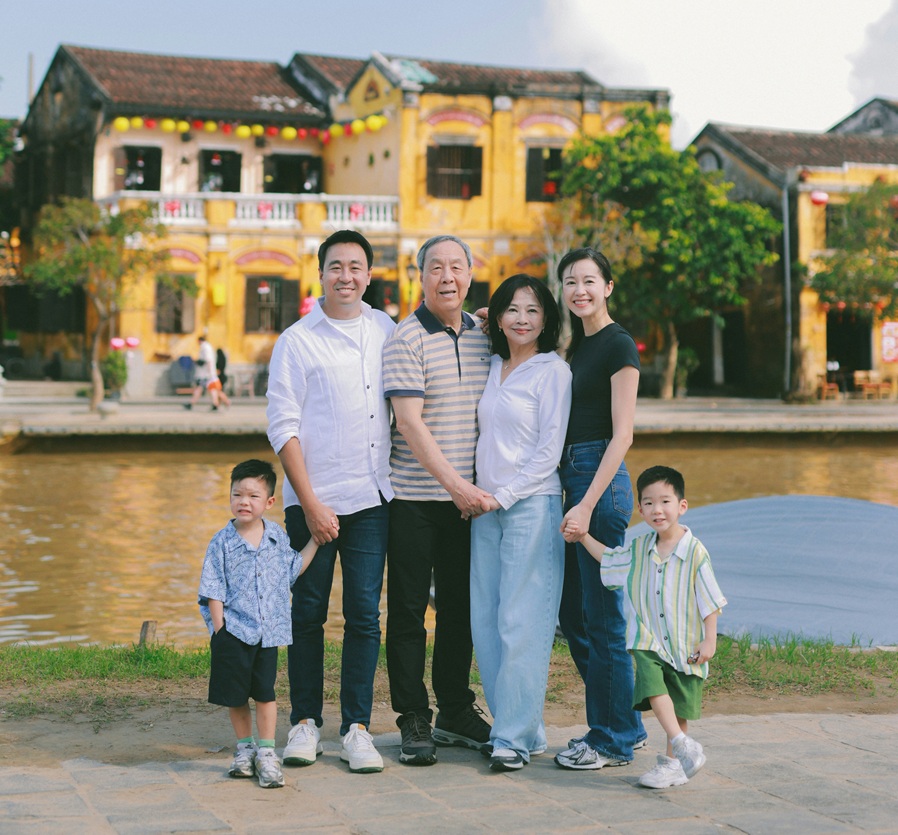
Qian Liu, the author of a book on this subject, explains why the children of immigrants often feel such pressure to succeed.
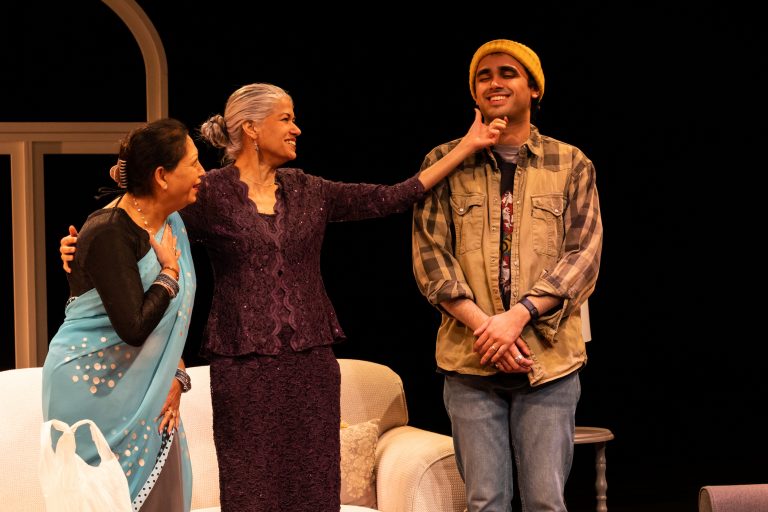
Talk Is Free Theatre has launched a national pilot program to address the current shortage of older, racialized actors in Canada.
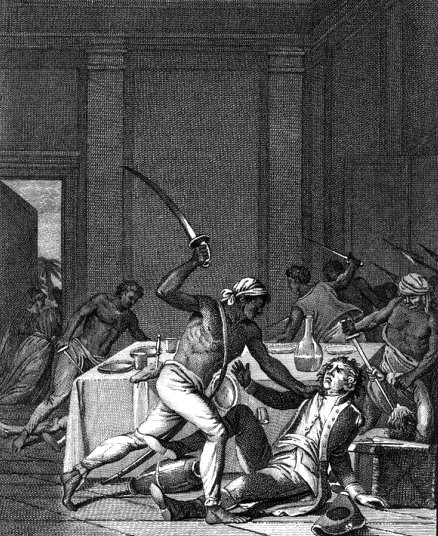
Like many enslaved Africans, Apongo had two names. Neither of them completely unlocks his back story.

