
Seven of the best novels of 2025—chosen by our literary experts
Books translated from their original language are proving increasingly popular as readers seek out global perspectives beyond their own.

Books translated from their original language are proving increasingly popular as readers seek out global perspectives beyond their own.

The Deep-Seated Histories: Chairs from the Collection exhibition continues until January 4.
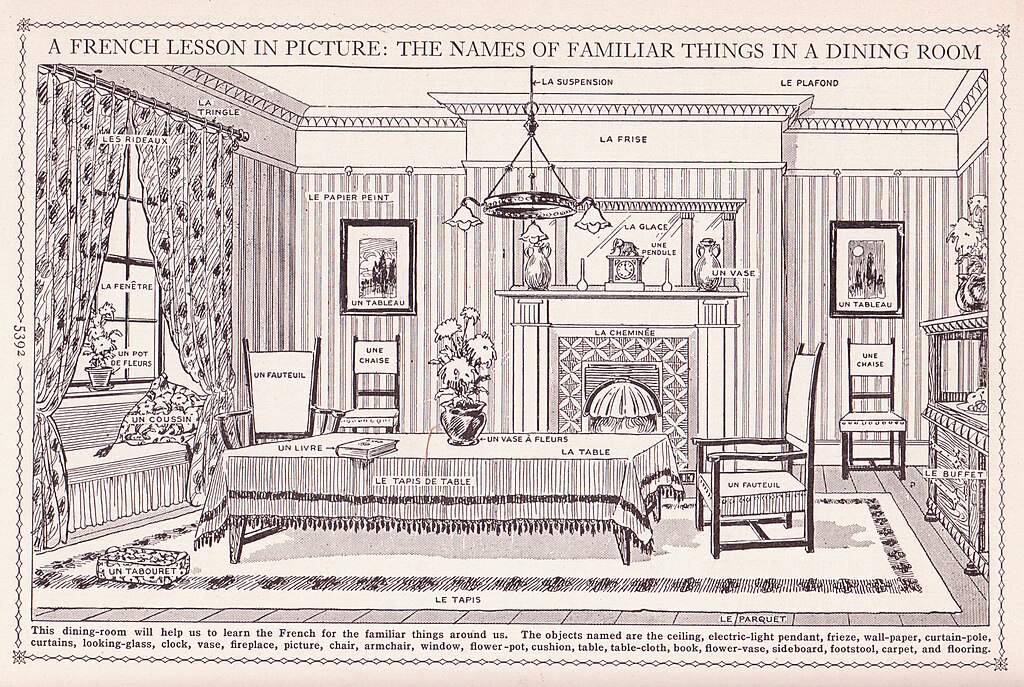
The Government of Canada will invest more than $113 million over four years to help B.C. students learn in French and speak better French.

The exhibition appeals not only to VR enthusiasts and gamers but also to families, tourists, students, and cultural history lovers.
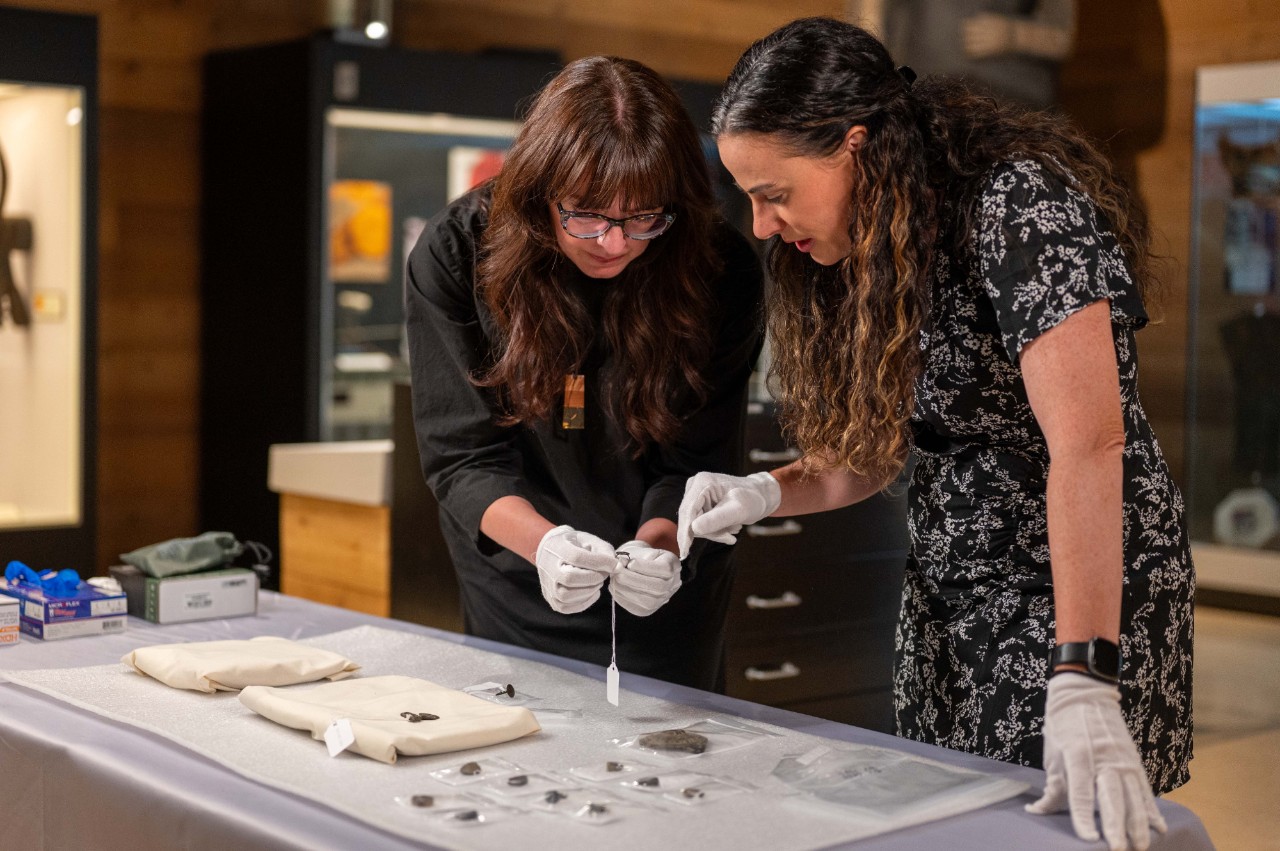
These objects may date to late antiquity (roughly the third to sixth or seventh century) and/or the medieval period.

It has become increasingly difficult to tell whether something was written by a person or AI.

A nation’s literature used to be tied to language, but this can no longer be the narrow criterion for defining a canon.

For newcomers to a country, success often depends on learning to read fluently in a new language.

Mamdani called for fairness in Arabic, Bangla, Urdu-Hindi, and Spanish during his campaign to become mayor of America’s largest city.
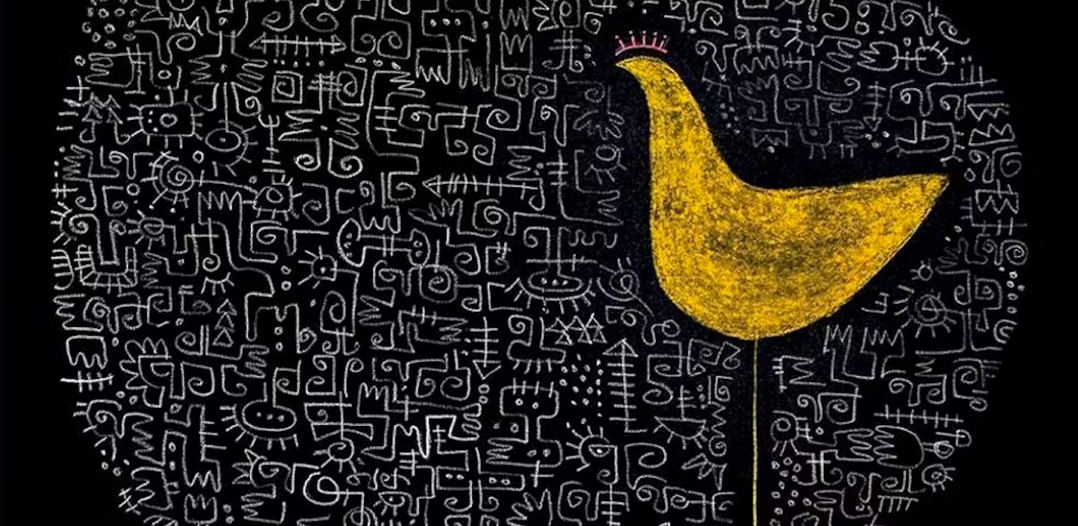
The African Poetry Book Fund has assembled a formidable archive of writing through the New Generation African Poets Chapbook Series.

