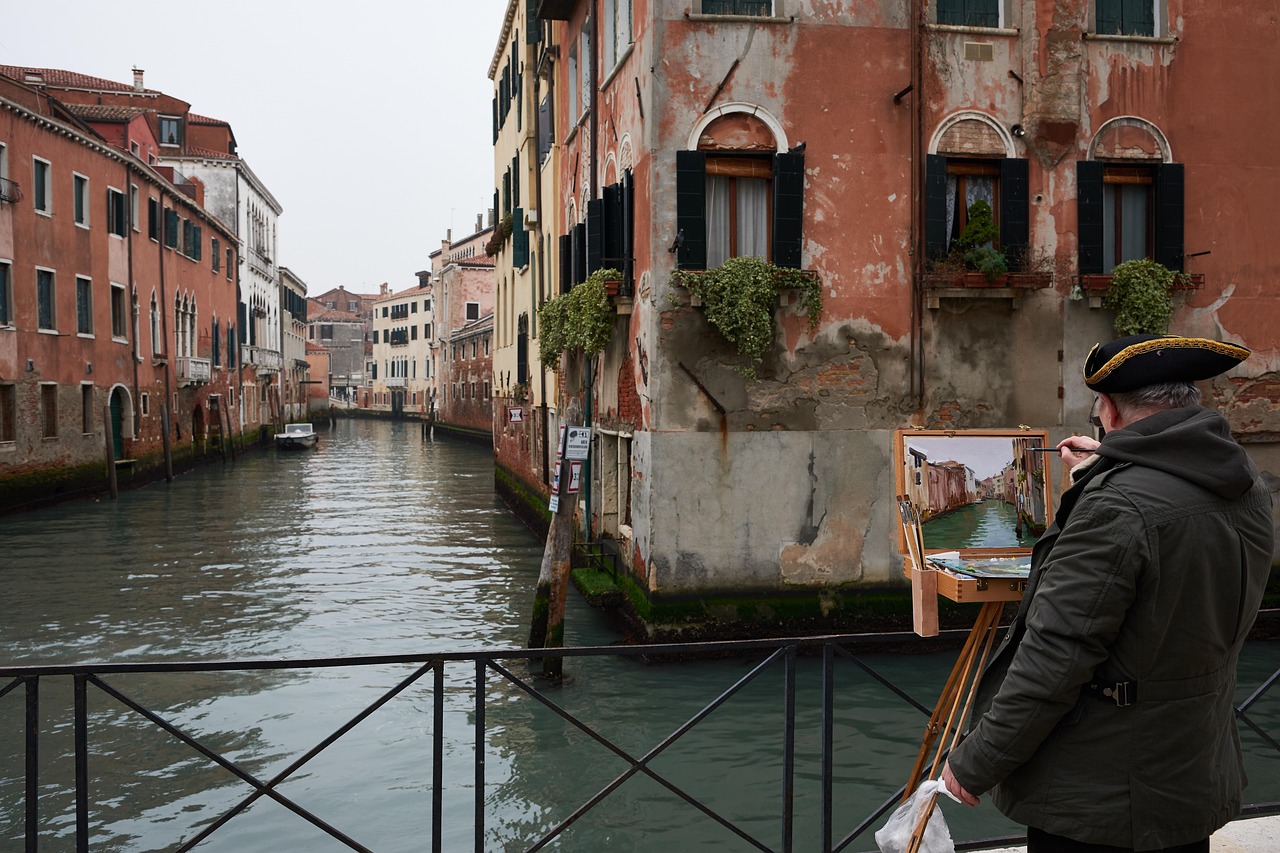
Creativity is good for the brain and might even slow down its ageing – new study
Brain health is not defined by the absence of disease but by its ability to sustain efficient, resilient, and integrated activity.

Brain health is not defined by the absence of disease but by its ability to sustain efficient, resilient, and integrated activity.
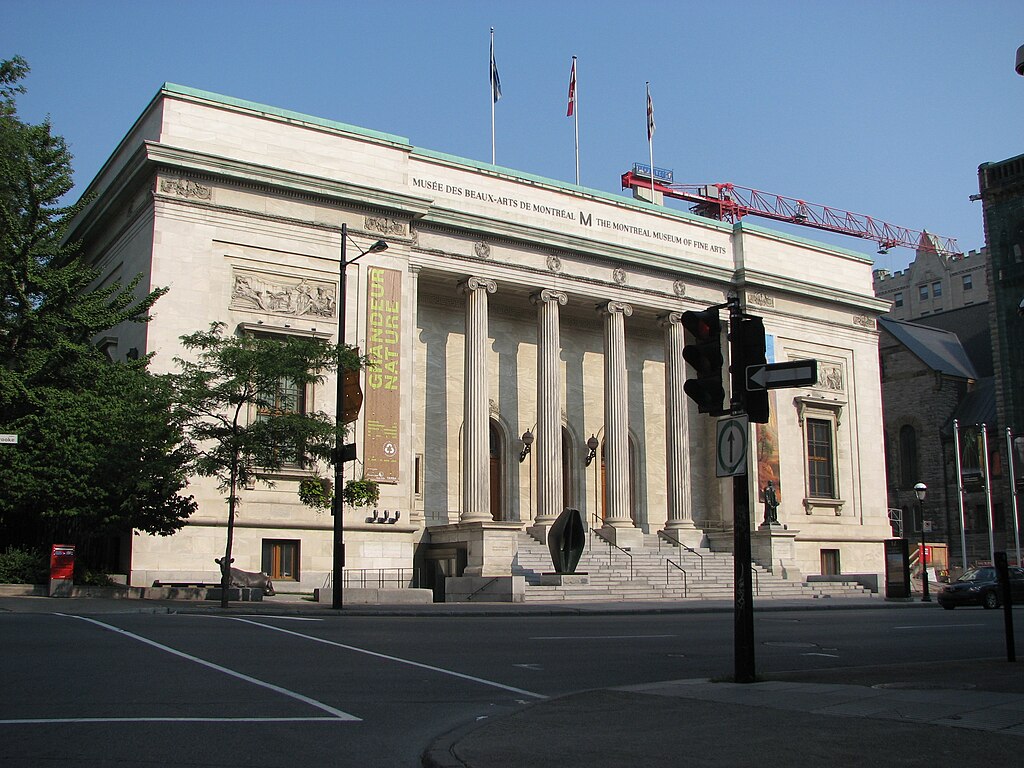
Paintings by Monkman present the landscape as a theatrical stage upon which stories of human exploitation play out.
Language barriers, social isolation and new parenting challenges often add to the everyday pressures of marriage.

Polite racism doesn’t make headlines, but its message is clear—you are present, yet not fully accepted.
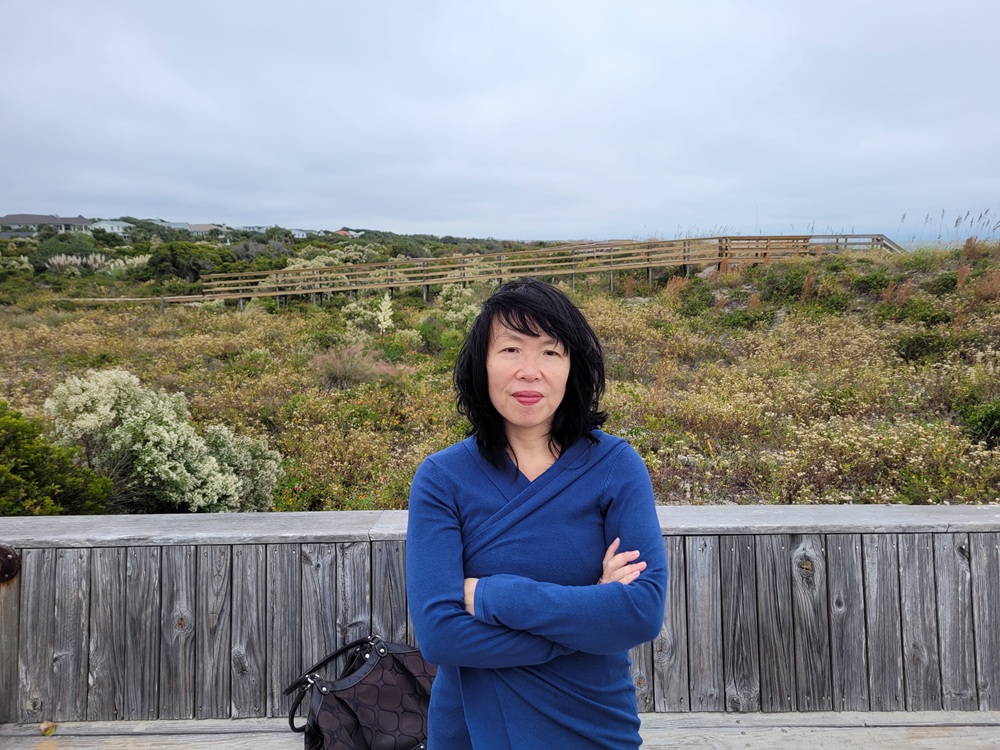
Lau has written 15 books, including 10 volumes of poetry.

Some parents struggle to maintain full-time employment as they need to care for their autistic children during school hours.

On the settlement side, we must move away from sequential-needs thinking that relegates the arts to the bottom of the priority list.
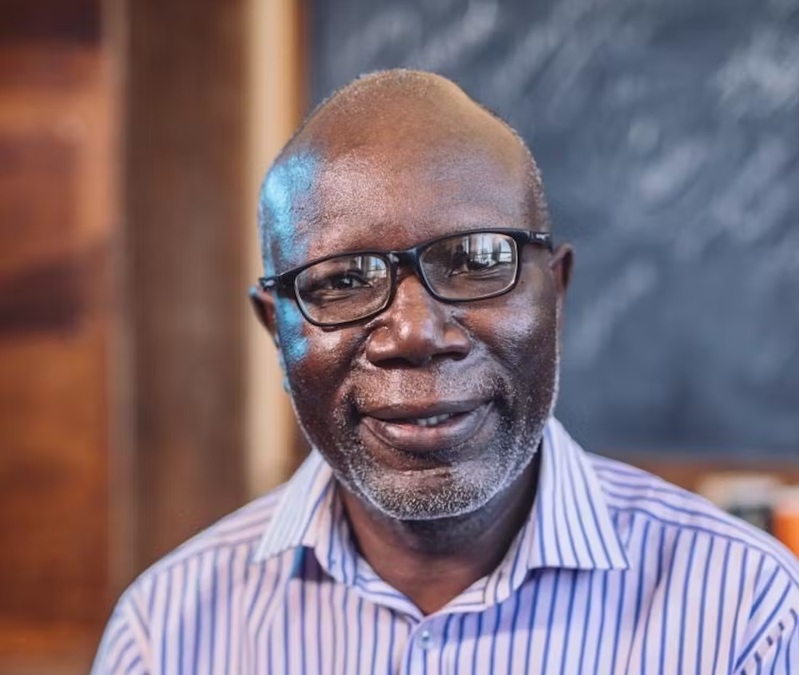
The Mad is the English title of Mapenzi, and it’s included in a new series called African Language Literatures in Translation.
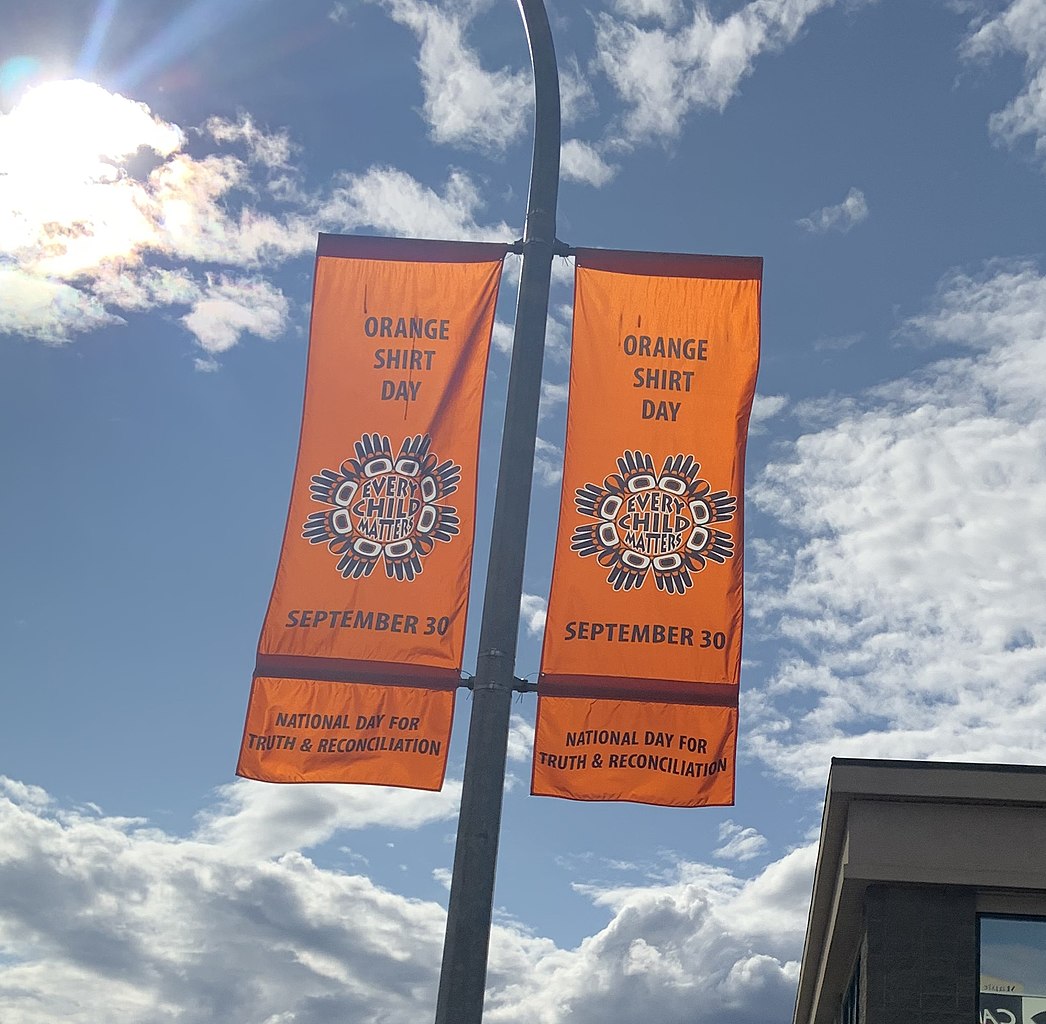
Residential school denialism, as historian Crystal Gail Fraser has outlined, is an attack on truth.
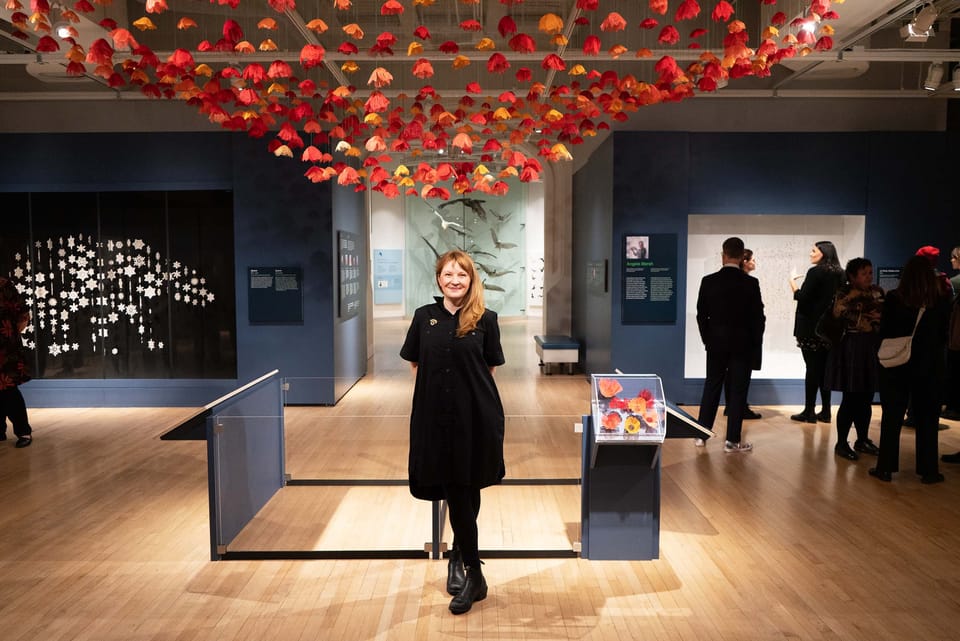
Art doesn’t just reflect our world; it can help us reimagine it and move us to protect it.

