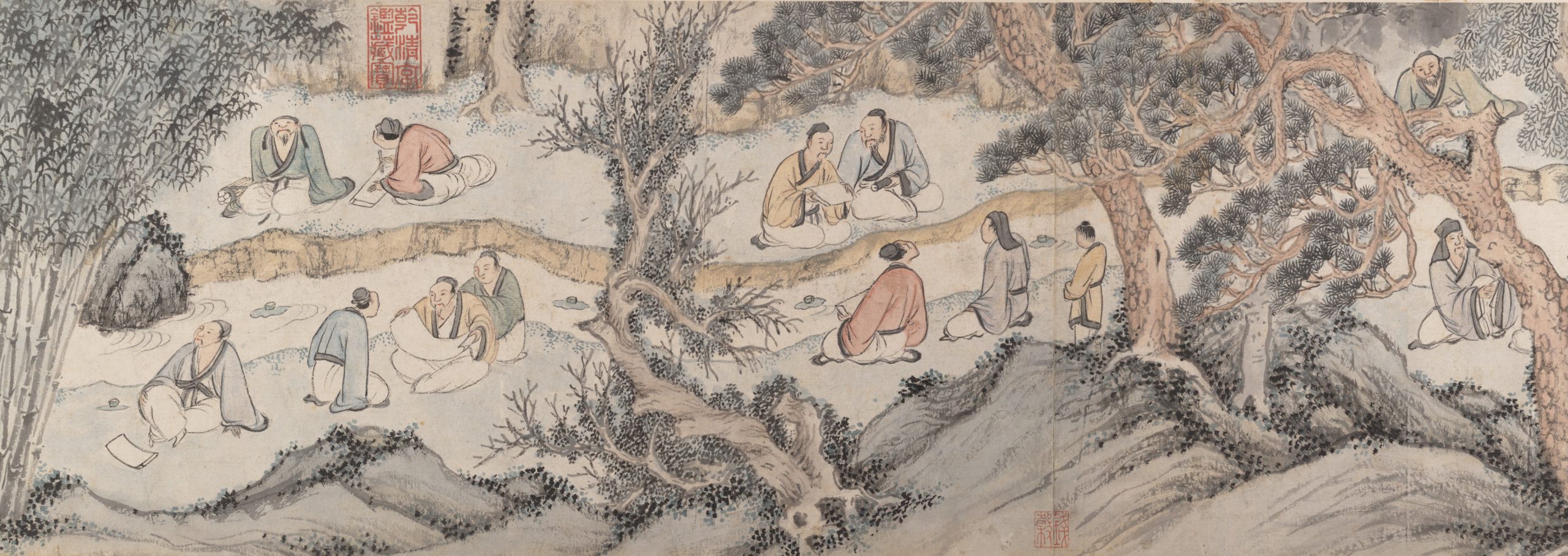
16th-century Chinese writer spoke of workplace burnout, leaving a blueprint for radical acts of rest
Ming Dynasty-era practice resonates with uncanny urgency within our burnout epidemic.

Ming Dynasty-era practice resonates with uncanny urgency within our burnout epidemic.

The film exposes the paternalistic attitude and tightly-held hearing power that has shaped Deaf education.

历经疫情考验后,Dr. Evan Adams 更积极关注关键议题。这位海岸萨利希 (Coast Salish) 演员兼前省卫生副官,因而答应主持一部激励人心的纪录片系列,聚焦四位正在戒瘾康复的原住民。《The Conversation》(对话) 由 RealWorld Media 制作,并获 TELUS originals 授权播出。
歷經疫情考驗後,Dr. Evan Adams 更積極關注關鍵議題。這位海岸薩利希 (Coast Salish) 演員兼前省衛生副官,因而答應主持一部激勵人心的紀錄片系列,聚焦四位正在戒癮康復的原住民。《The Conversation》(對話) 由 RealWorld Media 製作,並獲 TELUS originals 授權播出。
Malcolm (right) tells Dr. Adams how he freed himself from drugs and alcohol by coming to terms with intergenerational trauma.

Attiah, the Washington Post’s global opinions editor, says that all 500 spots Resistance Summer School sold out within 48 hours.

For years, foreign-language films have been recognized as an invaluable resource for language learning.
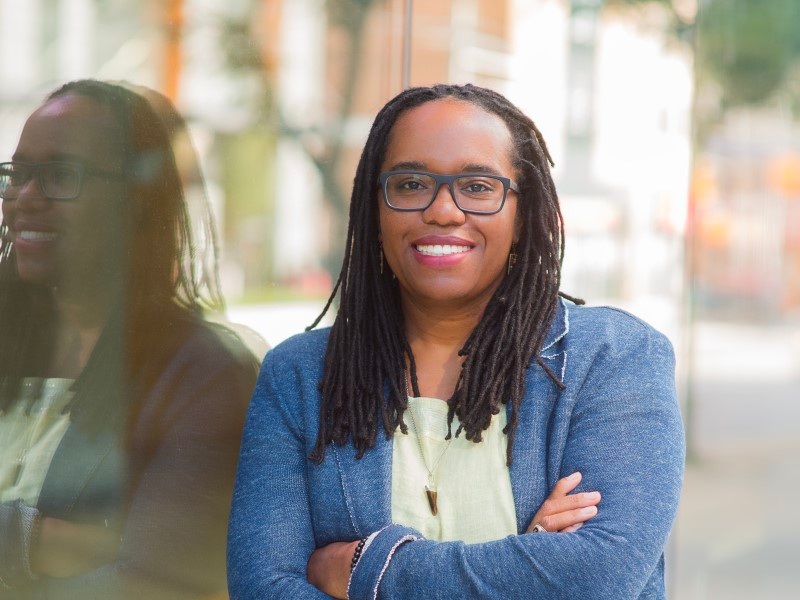
In her new groundbreaking book, TMU professor Cheryl Thompson maps the transnational flow of blackface performance and racial ideologies.

Stone is more than just a material here—it’s the totem pole of the country’s identity.

Focusing on survivor memoirs that explore life prior to the Holocaust helps illustrate the trajectory of antisemitic agendas.

