
Do Inuit languages really have many words for snow? The most interesting finds from our study of 616 languages
Languages with top scores for “snow” are all spoken in snowy regions.

Languages with top scores for “snow” are all spoken in snowy regions.
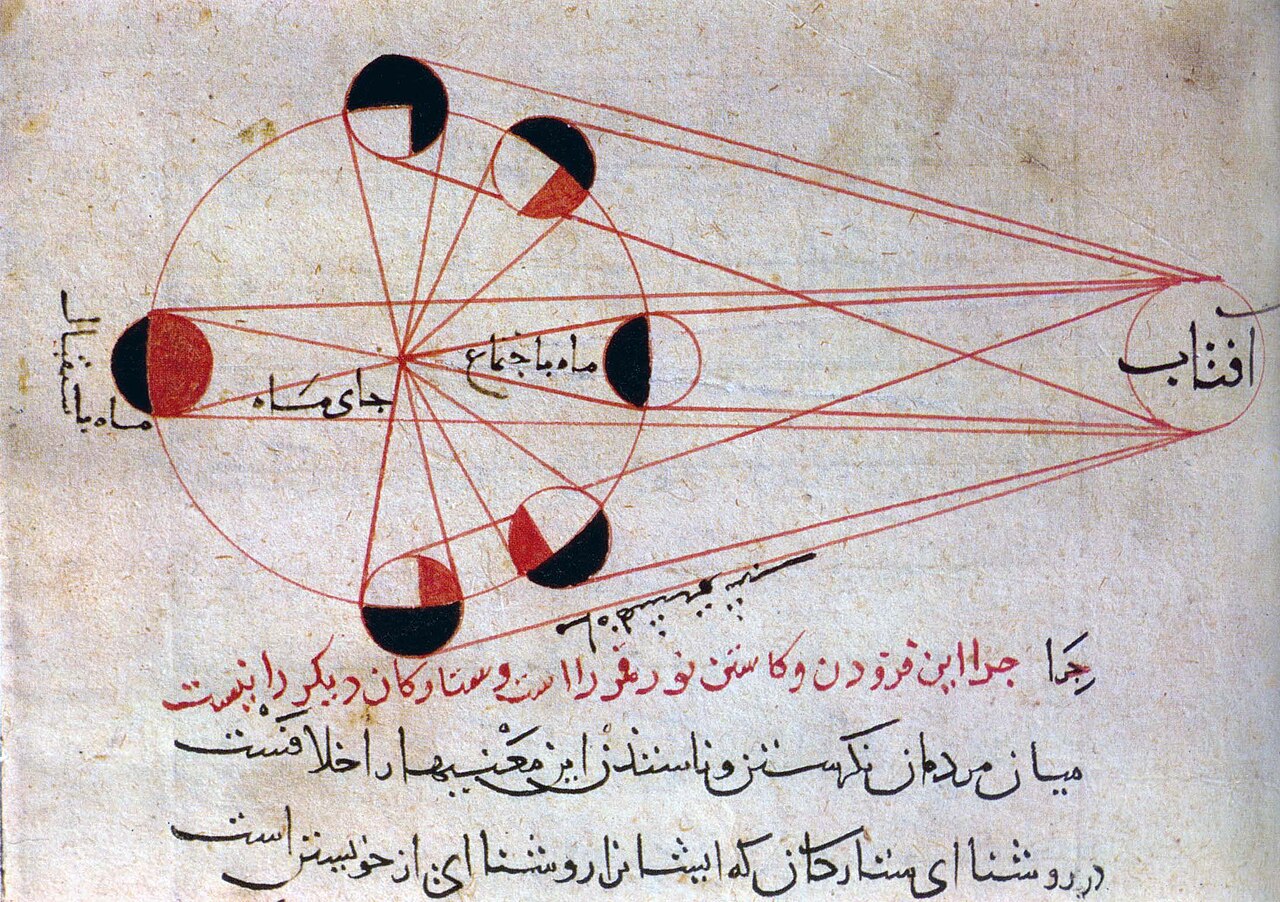
In the 11th century in Cairo, the foundations for modern science were laid through the detention of an innocent man.

Providing classroom materials to schools is part of a larger strategy to downplay or deny the impacts of burning gas, oil, and coal.
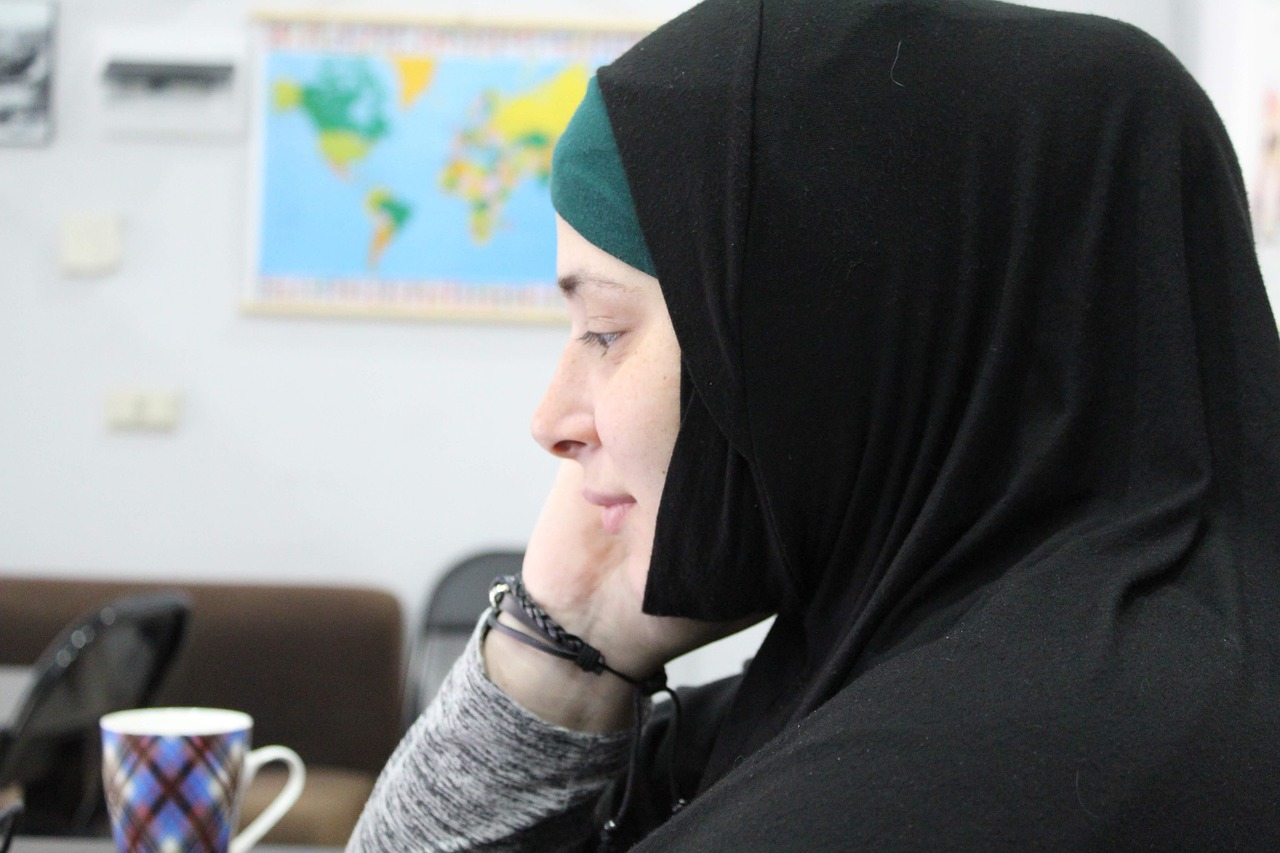
“For Eid we have to call in sick and I don’t like that,” says a student in Albera. “You should have the day off school.”
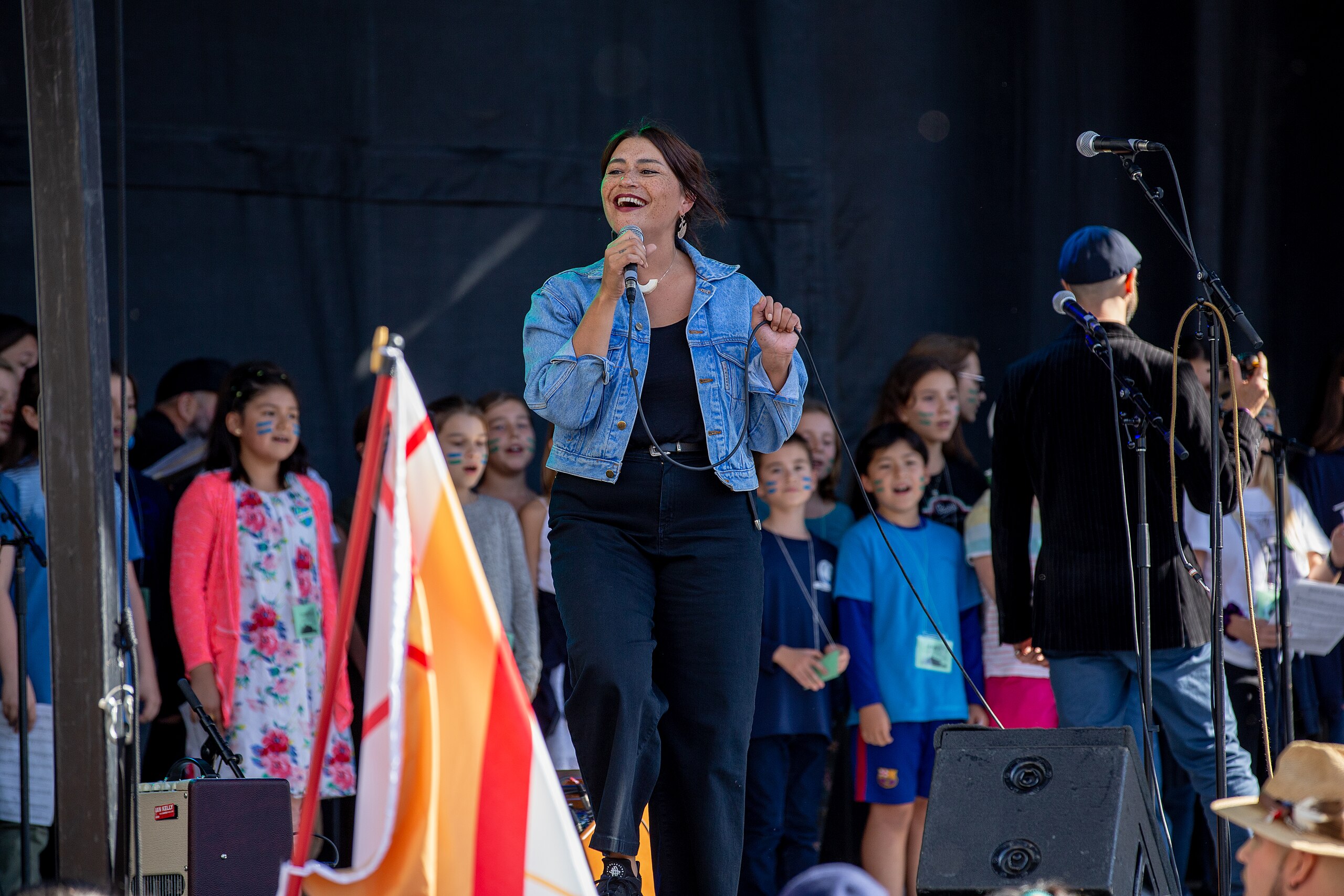
The word Inuktitut means “like the Inuit,” and is the name for part of a wider language continuum spoken across the North American Arctic.
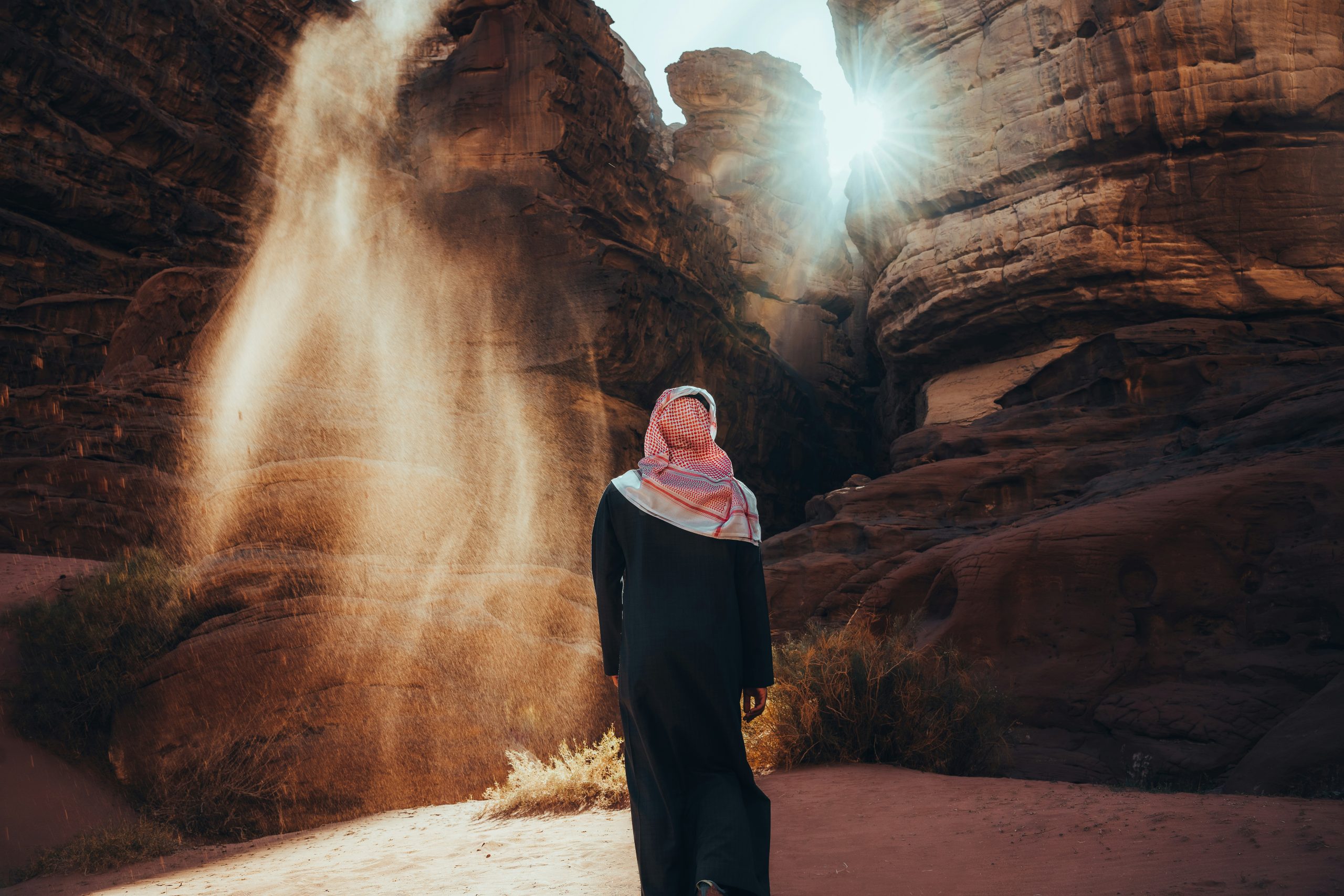
Migration policies focus on border control, but rarely consider the social and cultural dynamics—including dreams—that shape aspirations.
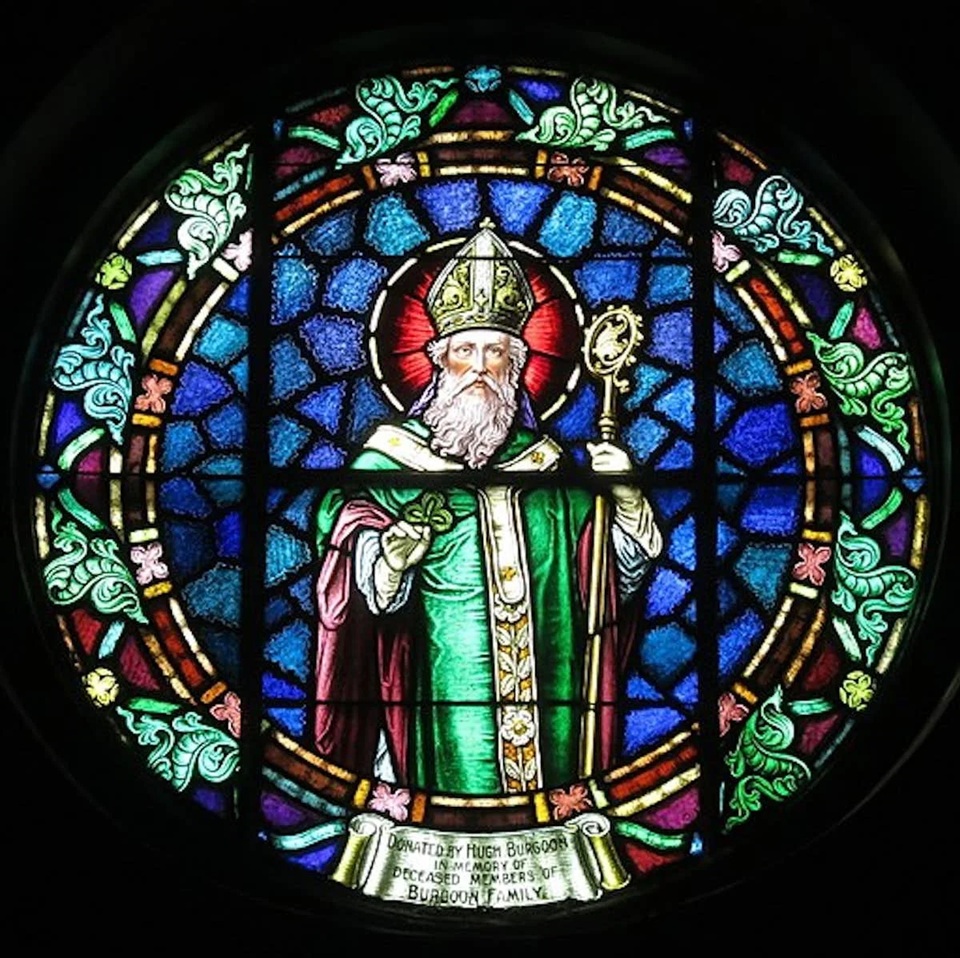
The flag representing the president of Ireland has a gold harp with a dark blue background—the colour known as St. Patrick’s blue.

Chiu-Duke, a UBC professor of Chinese Intellectual history, will deliver her lecture at 3 p.m. on Thursday (March 6).

GEMFest 2025 will screen NiiMisSak, which features interviews with seven B.C.-based Indigenous women filmmakers in addition to Obamsawin.

The museum exhibition illustrates the Nuxalk Nation’s efforts to revive ancestral government, laws, and protocols.

