
Meet the chef bringing Taiwan’s Indigenous culinary heritage to life
Chef Ko-Chin Chang created dishes representing the many tribes of Taiwan at his Badasan Aboriginal Restaurant in New Taipei City.

Chef Ko-Chin Chang created dishes representing the many tribes of Taiwan at his Badasan Aboriginal Restaurant in New Taipei City.
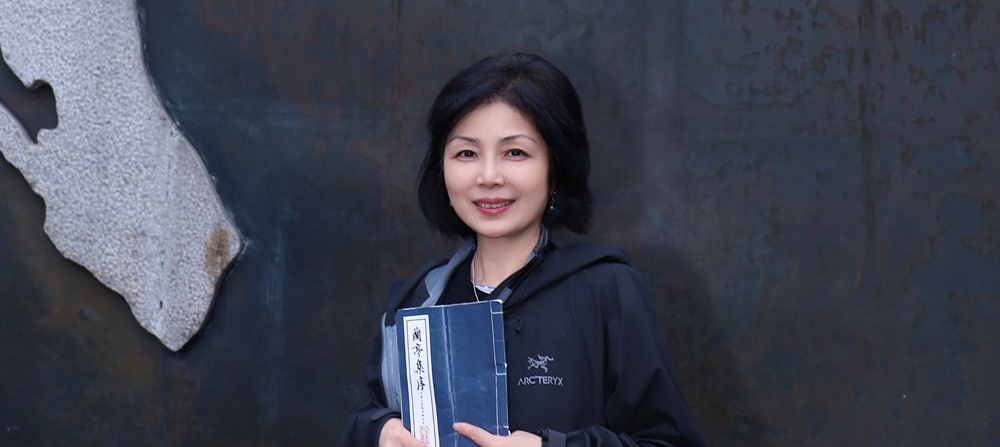
In her new poem, Xinman asks what if being loved does not depend on understanding everything?
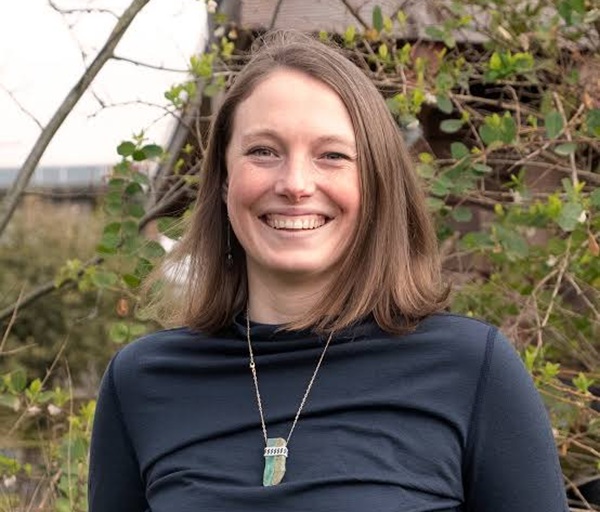
Lamoureaux built Vines through a caring sense of experimentation, and a belief that art—and those that support it—can be boldly different.

Rosa Cheng founded Vancouver Cantonese Opera in 2000.

Tseung was still figuring out what he would do for a career—and how he would spend his summer—when the pandemic struck.
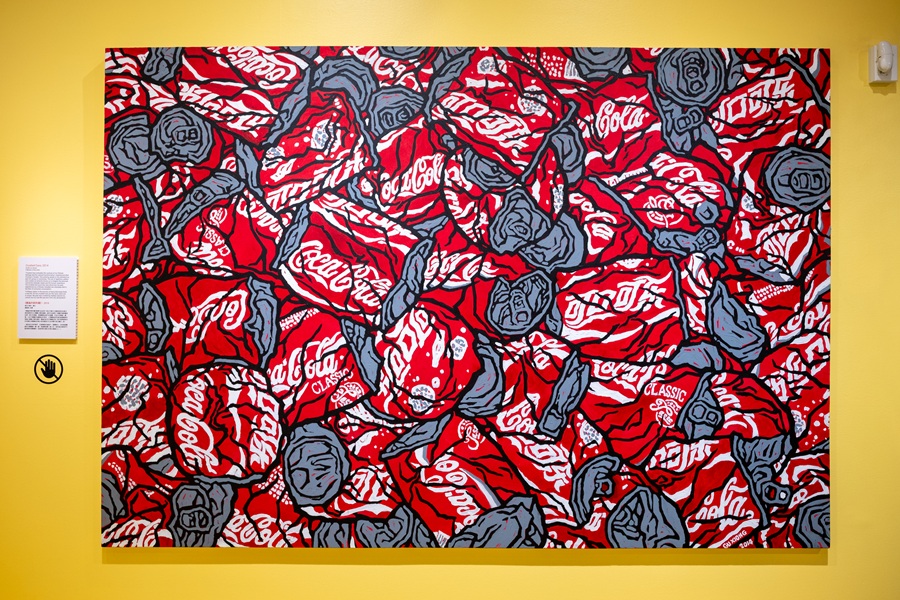
In Part 2 of our series his Museum of Vancouver exhibition, Gu explains why crushed cola cans are a metaphor for his life in Canada.
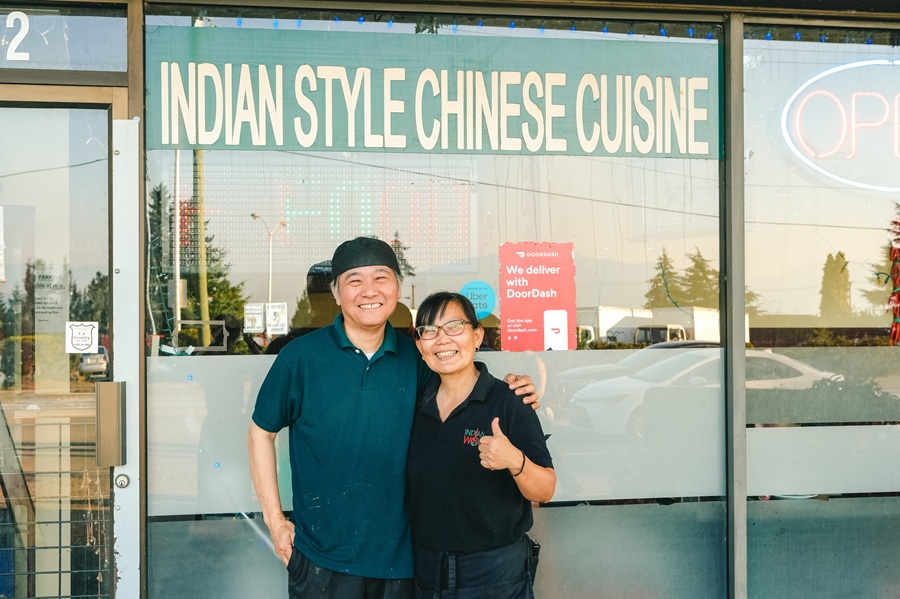
「這不是中菜,也不是印度菜,我們的料理介在兩者之間。」經過本拿比(Burnaby)的街邊,你很難不被一間店的店名吸引,叫做 Indian Wok。由 Ian 和太太 Sophia 經營,他們都是在印度出生長大的客家人。
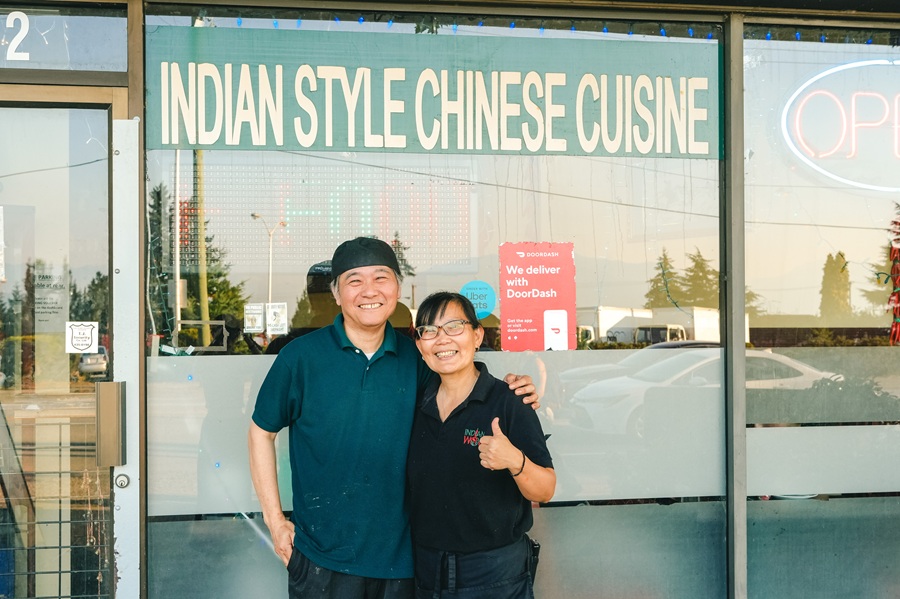
The restaurant’s best-known Indian Hakka dishes are Manchurian chicken, chili chicken, and Hakka chow mein.

Moon achieved global success as a member of the K-pop band THE BOYZ, which has released 10 EPs.

Yu has cited his immigration from Hong Kong to Canada as one factor that led to his international success as a concert pianist.

