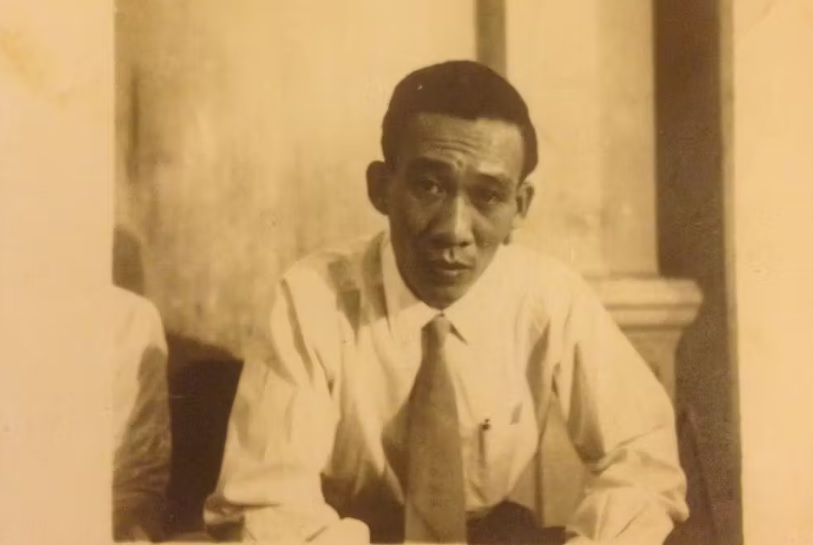
In “Praying for the World”, Cathy Xinman channels a century of literary and emotional legacy, weaving together echoes of Yeats’s and Eliot’s prayers with the fractured anxieties of our contemporary moment. The poem unfolds as a quiet meditation on parental hope and fear, filtered through the voices of a father, mother, and child, each caught in the turbulence of a world marked by uncertainty and disconnection.
Through imagery and layered perspectives, the poem reflects on the persistence of inherited anxiety and the elusive search for meaning in an era of unrest, ecological precarity, and cultural fragmentation.
Father’s Day often celebrates the joy, strength, and guidance fathers provide. But behind every father’s love, there are also quiet fears, hopes, and struggles—anxiety about the world that their children will inherit, and a deep wish to protect them from harm.
This poem invites us to listen to those unspoken feelings, to honour not only the joys of fatherhood but also its complexities and challenges. It is a heartfelt reflection on what it means to care for the next generation in uncertain times—reminding us that love is often a mix of hope, worry, and resilience. It’s a thought-provoking, heartfelt tribute to the struggles and love behind fatherhood.
Praying for the World
He prayed in T. S. Eliot’s The Waste Land:
“A Prayer for my son,”
“A Prayer for my daughter.”
Yeats’s prayer walked through despair,
travelled a hundred years.
An anxious father wanting to protect his child.
The child says
he feels embarrassed by his father’s prayer.
He doesn’t understand at all—
this is on someone else’s earth.
The mother says
she always wants to hide her fear,
but her messy logic always gets scolded.
How could she be so heartless?
Savage, dreamy, unstable—
it’s a war that seems like nothing,
yet not quite nothing.
She watches her nerves carefully,
not letting them get touched.
She’s caught this century’s
famous anxiety disorder.
Her eyes, in a messy, empty parking lot:
a pigeon and a small bird peck calmly
at the body of a dead crow.
Under a sky that can’t decide between sun and rain,
the air stirs.
There are so many people.
A sneeze, a sigh, and the whole universe
could start running.
Hopefully, you won’t understand at all—
The wasteland and this era
are not closely connected.
It glitters in the sunlight.
The wind was never a guest.
We are carried at sea.
The sails—kissed by sweet wind.
The illusion-making elites
are all at sea. Everyone is busy.
Dear Earth,
a father has walked a century.
Should he reflect on his anxiety?
“With human love.”
Cathy Xinman writes poetry in English and Chinese. Find her English-language collection, Where You Love Yourself, on Amazon. Follow Pancouver on Instagram @PancouverMedia and on Bluesky @pancouver.