DOXA 纪录片影展:《Aisha’s Story》呈现巴勒斯坦家庭对「返回权」的深切渴望

Aisha's Story
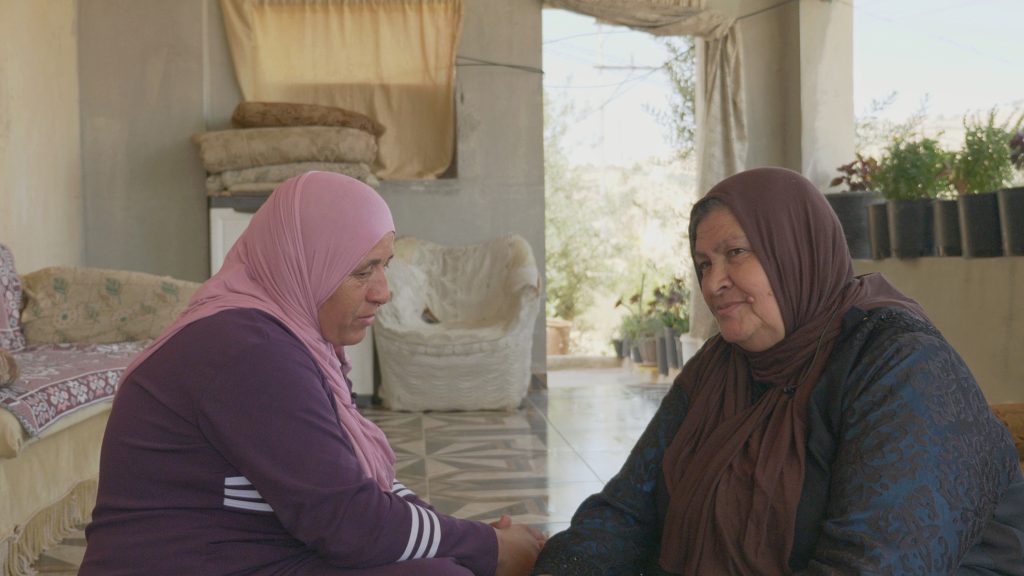
Aisha Azzam (left) and her customer Um Malek cherish unique tastes of Palestinian cuisine in Aisha's Story. Photo by Elizabeth Vibert.

[在《Aisha’s Story》(Aisha 的故事)中,Aisha Azzam(左)与顾客 Um Malek 一起珍惜巴勒斯坦料理的独特风味。图片来源:Elizabeth Vibert]

有时,一部纪录片能揭示无数关于中东的新闻报导中未曾提及的真相。在《Aisha’s Story》(Aisha 的故事)中,这部即将在温哥华 DOXA 纪录片影展揭幕的作品中,联合导演 Elizabeth Vibert 与 Chen Wang 探索食物在巴勒斯坦认同中所扮演的内核角色。影片主角 Aisha Azzam 在约旦经营家族的谷物磨坊,并愉快地解释她所贩售的食品为何是巴勒斯坦文化遗产的象征。

「谈论我们的食物与传统,让我们作为巴勒斯坦人能够团结一致,」Aisha 在片中表示,「我们每次家庭聚会时,都会谈到巴勒斯坦。」

Aisha 出生于 Karameh,一座位于约旦中西部、隔着河与以色列占领的约旦河西岸相对望的小镇。但她仍以巴勒斯坦人为傲,并乐于分享巴勒斯坦与约旦百里香 (za’atar) 的风味差异。她指出,曼萨夫 (mansaf) 是约旦的国民料理,而巴勒斯坦则以珍珠库斯库斯 (maftoul)、漆树鸡 (musakhan) 等菜肴闻名。对她而言,小麦是巴勒斯坦人生活的内核——她坚决不购买以灌溉水、肥料与化学物种植的进口品种。

「那也是为什么我们的麦子香气更浓——有种浓郁的油脂味道,口感比进口的更丰富。」

Aisha 的儿子 Omar 曾撰写一篇大学论文,探讨巴勒斯坦的反抗与民族自决权。他在片中强调,自己尊重犹太教作为一个神圣的宗教。

「我们的抗争是针对那些种族主义的犹太复国主义派系,他们攻击阿拉伯人并鼓吹阿拉伯人必须死,」Omar 说,「每一位巴勒斯坦人都在反抗中扮演着不同的角色。我母亲的角色是守护我们的文化遗产,这是一项高贵的行为。」
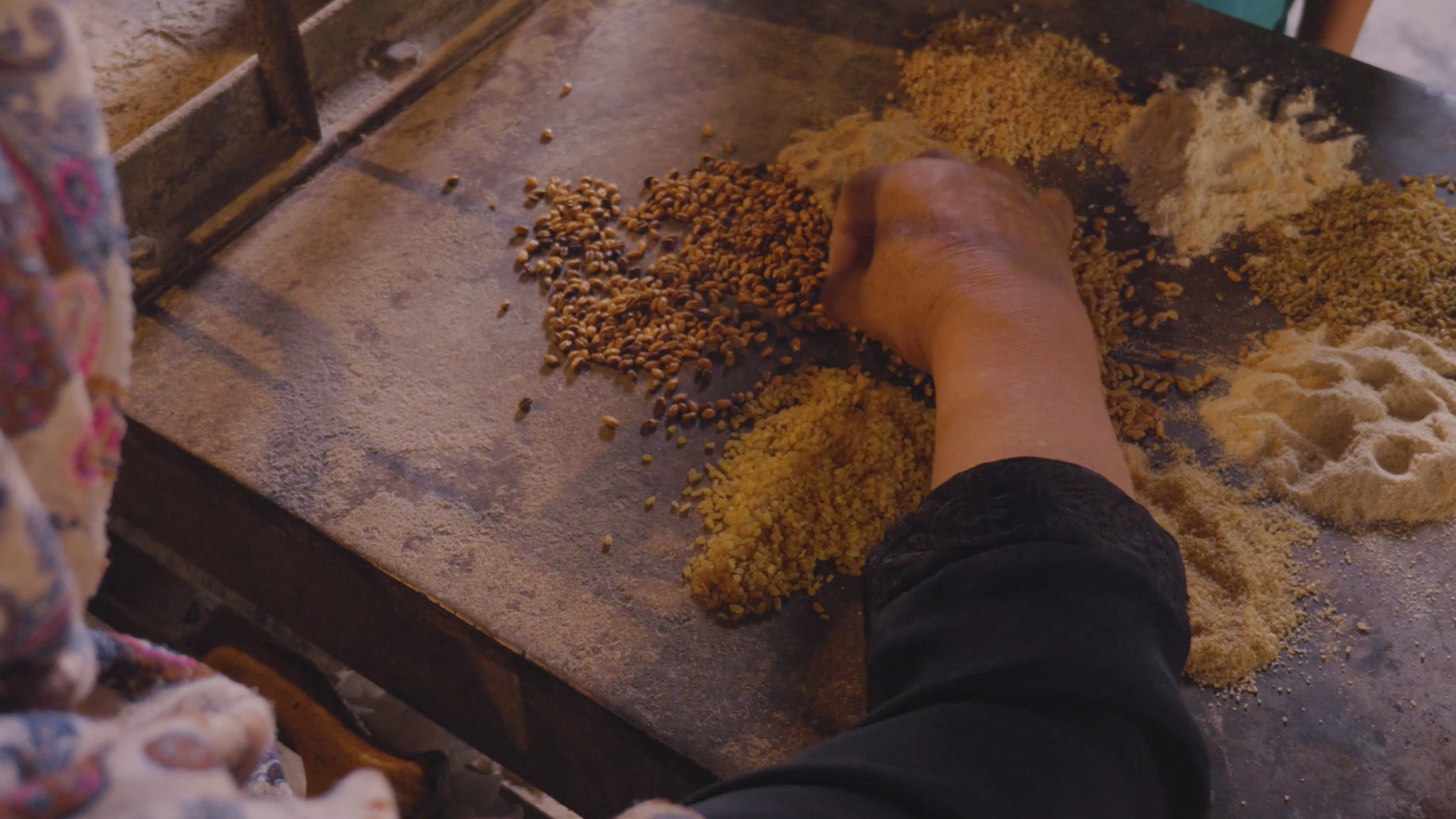
Aisha Azzam declares that wheat is at the heart of Palestinian life. Photo by Elizabeth Vibert.

[Aisha Azzam 认为,小麦是巴勒斯坦人生活的内核。图片来源:Elizabeth Vibert]

《Aisha 的故事》让历史鲜活起来

在 1948 年的阿以战争期间,Aisha 的母亲 Miran Dheeb ‘Abed 被迫离开她在巴勒斯坦的家乡村庄 Bayt Mahsir。

两位联合导演以各自不同的专长阐述这个家族的故事。Elizabeth Vibert 是维多利亚大学的历史教授(现休假中),研究重点为殖民地空间中的粮食自主。自 2018 年起,她便与 Aisha 展开口述历史合作计画。Chen Wang 则是摄影指导、剪辑师、编剧、调光师,也担任维多利亚大学的兼任写作讲师。

如今,加拿大已有数百万人知道「Nakba」(阿拉伯语意为「灾难日」),指的是 1948 年阿以战争期间,约 70 至 80 万名巴勒斯坦人被迫流离失所。1948 年底,联合国大会曾呼吁难民返回家园及归还他们的财产。而在 1967 年的六日战争中,又有约 28 至 35 万人变成难民,其中许多人是 1948 年首次被迫迁徙的人。

「然而,在历经无数次联合国决议的 75 年后,巴勒斯坦人民的权利仍持续遭到剥夺,」联合国网站上写道。「根据联合国近东巴勒斯坦难民救济和工程处 (UNRWA) 的数据,目前已有超过 500 万名巴勒斯坦难民散居于整个中东地区。」

《Aisha 的故事》透过感人的静默片段、动人的影像语言与严谨的历史视角,为「返回权」注入深厚的情感张力。导演 Vibert 与 Wang 聚焦一个巴勒斯坦家庭的微观叙事,赋予这场具有全球意义的宏观故事更真实的重量与意义。

阅读原文 >> 点此链接

立即行动

Pancouver 激发创造力并促进一个更具包容性的社会。请支持我们关注多元的艺术家!来自加拿大境内的捐款可获得税务收据。

分享这篇文章

精选华文翻译文章

The Society of We Are Canadians Too created Pancouver to foster greater appreciation for underrepresented artistic communities. A rising tide of understanding lifts all of us.

We would like to acknowledge that we are gathered on the traditional and unceded territories of the Coast Salish peoples of the xʷməθkwəy̓əm (Musqueam Indian Band), Skwxwú7mesh (Squamish Nation), and Səl̓ílwətaɬ (Tsleil-Waututh Nation). With this acknowledgement, we thank the Indigenous peoples who still live on and care for this land.

This project is funded in part by the Government of Canada.

The Society of We Are Canadians Too created Pancouver to foster greater appreciation for underrepresented artistic communities. A rising tide of understanding lifts all of us.

We would like to acknowledge that we are gathered on the traditional and unceded territories of the Coast Salish peoples of the xʷməθkwəy̓əm (Musqueam), Skwxwú7mesh (Squamish), and Səl̓ílwətaɬ (Tsleil-Waututh) Nations. With this acknowledgement, we thank the Indigenous peoples who still live on and care for this land.

Enjoying Pancouver?

Independent arts journalism needs readers like you!

If you value stories like this, please consider supporting Pancouver.