DOXA presents Western Canadian premiere of Min Sook Lee’s There Are No Words

There Are No Words
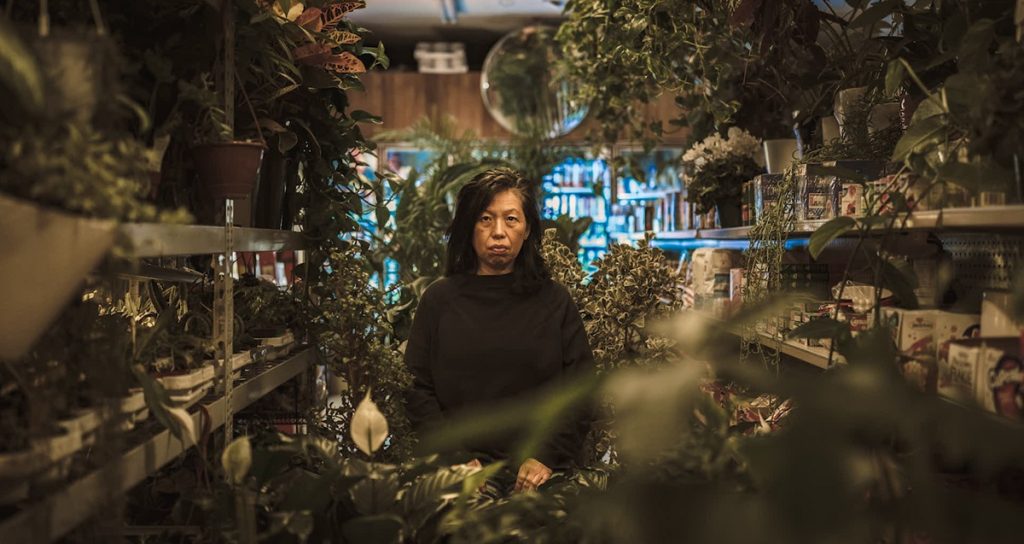
Filmmaker Min Sook Lee revisits her childhood in There Are No Words. Photo courtesy of the National Film Board of Canada.

Filmmaker Min Sook Lee says that she used her new documentary to give life back to herself and her mother. There Are No Words is Lee’s attempt to understand why her mother, Song Ji Lee, died by suicide more than 40 years ago. Sherien Barsoum and Chanda Chevannes produced the 98-minute documentary for the National Film Board of Canada.

“Silence and shame followed my mother’s suicide. I realized that if I didn’t make this film, a default narrative would take over that amounted to a permanent death of who she was and could have been,” Lee, an associate professor at OCAD University, said in an NFB news release. “I used this documentary to give life back to both of us.”

The DOXA Documentary Film Festival will present the Western Canadian premiere of There Are No Words at 2:45 p.m. on May 3 at the Djavad Mowafaghian Cinema at SFU Woodward’s.
There Are No Words
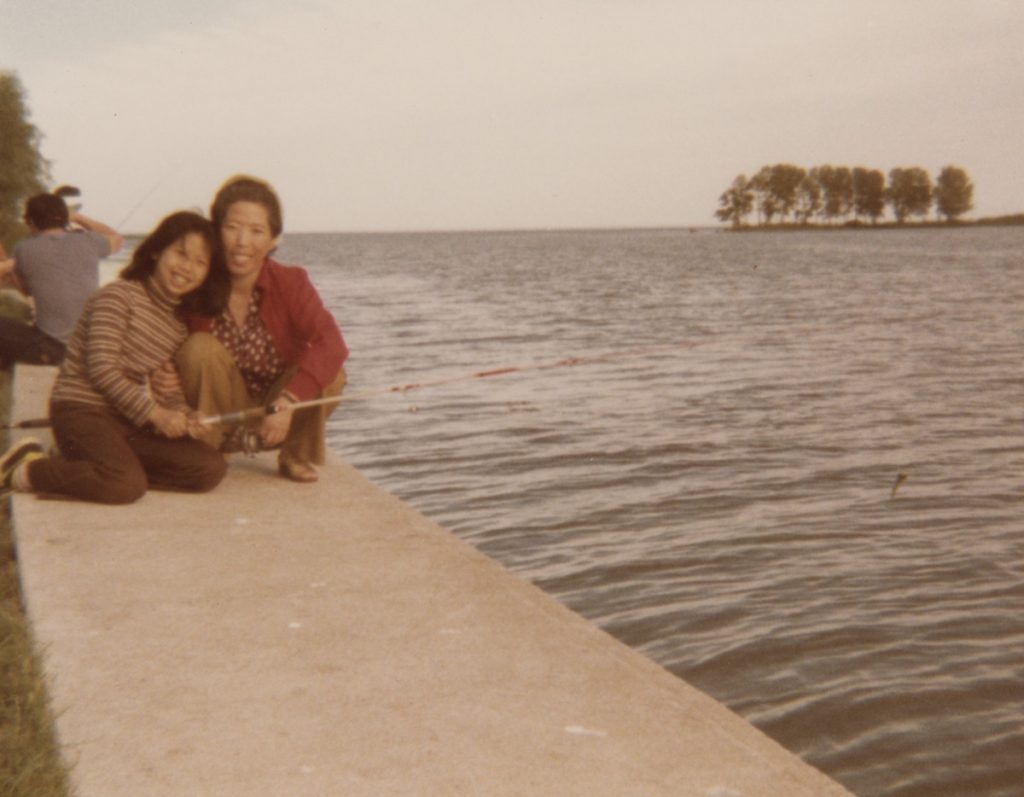
Min Sook Lee with her mother on July 16, 1980. Photo courtesy of National Film Board of Canada.,

According to the NFB, Lee’s film addresses the impact of trauma on memory. She turns the camera on herself as she reviews people and places of her childhood in Toronto and Hwasun, South Korea. She also devotes a great deal of attention to her 90-year-old father. He was working for Korea’s national intelligence agency under dictator Park Chung Hee in 1960s when he met Lee’s mother.

Lee’s previous films include Migrant Dreams (2016), The Real Inglorious Bastards (2012), Tiger Spirit (2008), Hogtown (2005), and El Contrato (2003). As a scholar, she focuses on “counter narratives of resistance and feminist working-class cultural praxis”, according to her biography.

The DOXA Documentary Film Festival runs from April 30 to May 10. To order tickets for There Are No Words, visit the DOXA website.

If you are in a crisis, visit your local emergency department or call 911. Call or text 9-8-8 to reach the 9-8-8 Suicide Crisis Helpline.

Follow Pancouver on X @PancouverMedia and on Instagram @PancouverMedia.

Take Action Now

Pancouver fuels creativity and promotes a more inclusive society. You can contribute to support our mission of shining a spotlight on diverse artists. Donations from within Canada qualify for a tax receipt.

Share this article

Picture of Charlie Smith

Charlie Smith

Pancouver editor Charlie Smith has worked as a Vancouver journalist in print, radio, and television for more than three decades.

Related Articles

The Society of We Are Canadians Too created Pancouver to foster greater appreciation for underrepresented artistic communities. A rising tide of understanding lifts all of us.

We would like to acknowledge that we are gathered on the traditional and unceded territories of the Coast Salish peoples of the xʷməθkwəy̓əm (Musqueam Indian Band), Skwxwú7mesh (Squamish Nation), and Səl̓ílwətaɬ (Tsleil-Waututh Nation). With this acknowledgement, we thank the Indigenous peoples who still live on and care for this land.

This project is funded in part by the Government of Canada.

The Society of We Are Canadians Too created Pancouver to foster greater appreciation for underrepresented artistic communities. A rising tide of understanding lifts all of us.

We would like to acknowledge that we are gathered on the traditional and unceded territories of the Coast Salish peoples of the xʷməθkwəy̓əm (Musqueam), Skwxwú7mesh (Squamish), and Səl̓ílwətaɬ (Tsleil-Waututh) Nations. With this acknowledgement, we thank the Indigenous peoples who still live on and care for this land.

Enjoying Pancouver?

Independent arts journalism needs readers like you!

If you value stories like this, please consider supporting Pancouver.