
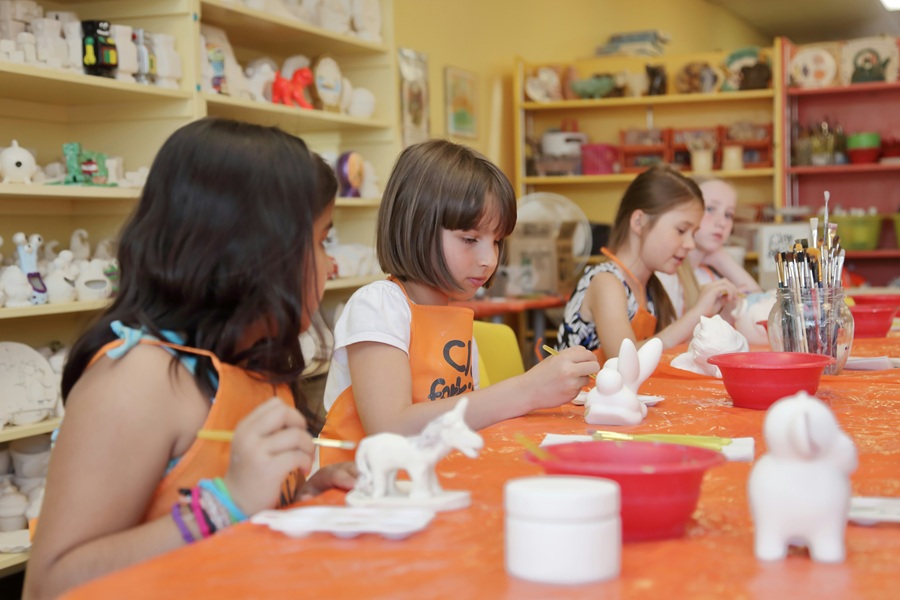
As the school year settles in, making room for the arts can support everyday well‑being
A growing body of research suggests that arts engagement can contribute to health and well-being, including in educational settings.

A growing body of research suggests that arts engagement can contribute to health and well-being, including in educational settings.
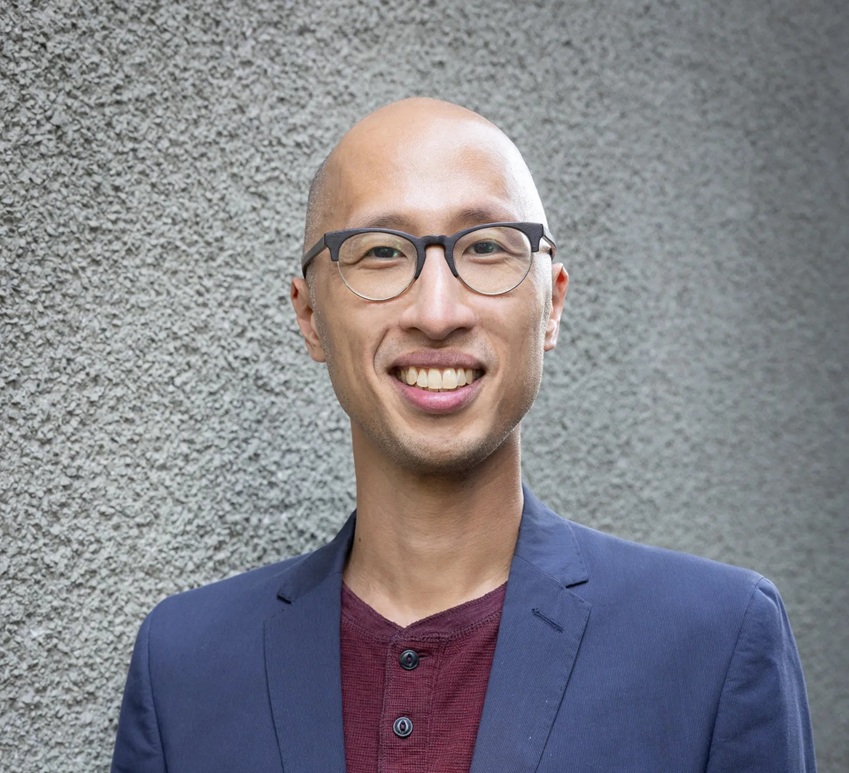
An excerpt from Cho’s new book, Brotherhood is a Constant Possibility: Asian Masculinity in a World Made for Whiteness (Thornapple Press).

Despite their engagement with K-drama, African audiences can only ever seem to see themselves represented through a colonial gaze.

The first time that Kanika Samuels Wortley’s security system misidentified her, she was sitting at her patio having coffee.

A lesser-known fact of Canadian history is that Métis people have routinely asserted their Indigeneity and rights through legal means.

In international law, investigation of the truth surrounding gross human rights violations is a state obligation.
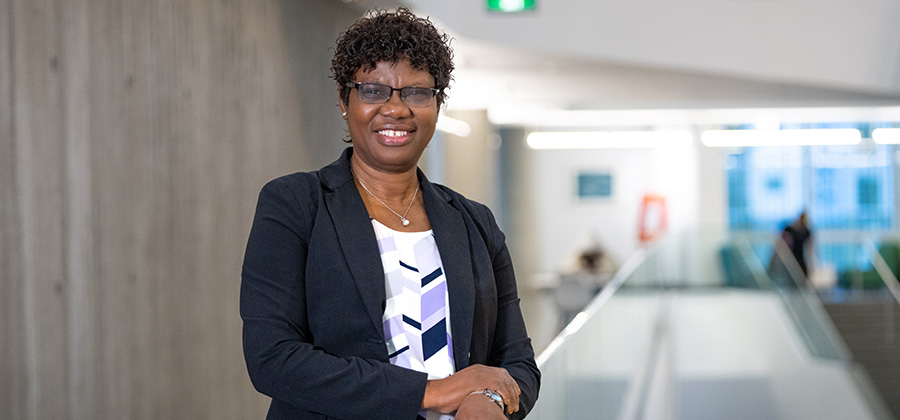
Our lives hold an inherent multiplicity of stories composed, lived, and narrated along shifting plot lines that unfold through time.
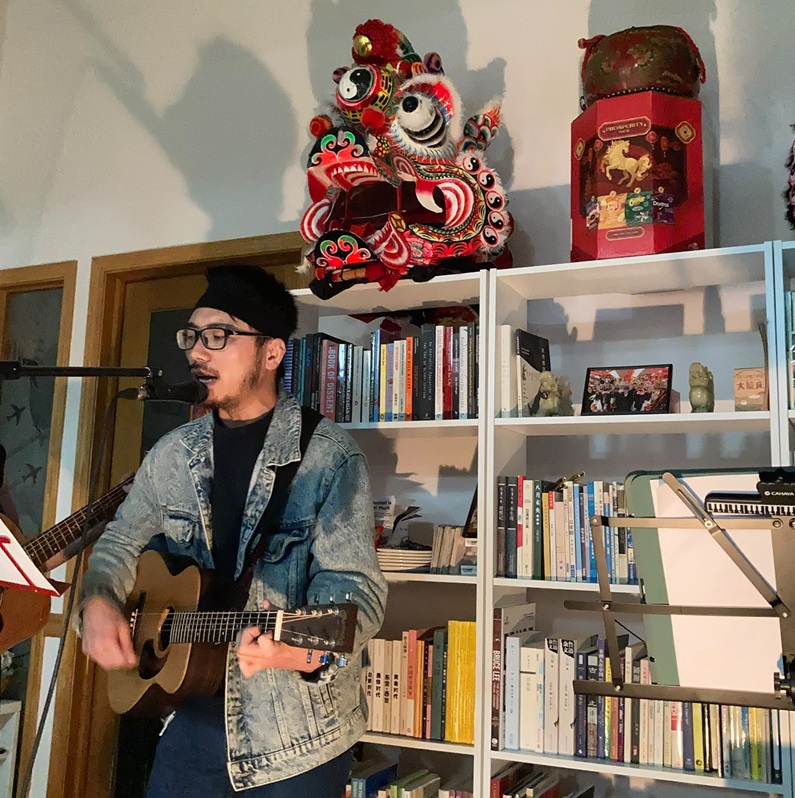
From a kirin troupe to worn gravestone inscriptions, Hakka scholar Yao Xiao is redefining the word “guest” inside a mall on Keefer Street.

Diversity, equity, and inclusion policies should not be abolished. They should be modernized, strengthened, and made fairer.

For immigrant and racialized students, belonging can be especially complex.

In August 2021, the Taliban recaptured Kabul and, within weeks, barred girls from attending school beyond Grade 6. The ban has not lifted.
A growing body of research suggests that arts engagement can contribute to health and well-being, including in educational settings.
An excerpt from Cho’s new book, Brotherhood is a Constant Possibility: Asian Masculinity in a World Made for Whiteness (Thornapple Press).
Despite their engagement with K-drama, African audiences can only ever seem to see themselves represented through a colonial gaze.
The first time that Kanika Samuels Wortley’s security system misidentified her, she was sitting at her patio having coffee.
A lesser-known fact of Canadian history is that Métis people have routinely asserted their Indigeneity and rights through legal means.
In international law, investigation of the truth surrounding gross human rights violations is a state obligation.
Our lives hold an inherent multiplicity of stories composed, lived, and narrated along shifting plot lines that unfold through time.
From a kirin troupe to worn gravestone inscriptions, Hakka scholar Yao Xiao is redefining the word “guest” inside a mall
Diversity, equity, and inclusion policies should not be abolished. They should be modernized, strengthened, and made fairer.
For immigrant and racialized students, belonging can be especially complex.
In August 2021, the Taliban recaptured Kabul and, within weeks, barred girls from attending school beyond Grade 6. The ban

