
One of the Vancouver Cherry Blossom Festival’s signature attractions will be on display later this month.
Every year, the Haiku Invitational draws online submissions from around the world. Winners are selected in six categories, including Vancouver and B.C.-wide. The other categories are Canada, the United States, international, and entrants 17 years of age or younger.
Then, as part of the Haiku Exhibition, their poetic verses are transformed into visual art. This year, the festival has selected artists of Musqueam, Squamish-Nisga’a, Tsleil-Watuth, and Japanese ancestry to do this.
Organizers plan to present these artistic pieces at Blossoms After Dark at David Lam Park (1300 Pacific Boulevard) from March 29 to 31, as well at the Big Picnic in the same location on March 30.
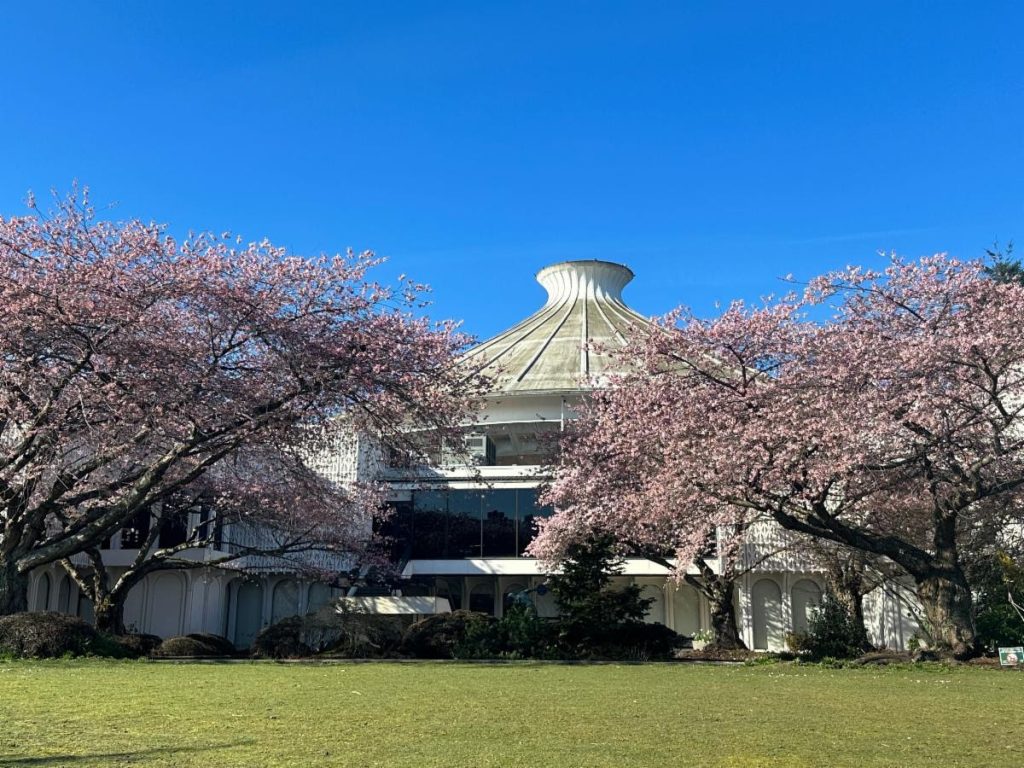
In addition, the festival will feature the exhibition in the Museum of Vancouver courtyard, which is surrounded by cherry trees. This will run from April 2 to 11.
The Haiku Exhibition will also be at VanDusen Botanical Garden (5251 Oak Street) on April 13 and 14 as part of Sakura Days Japan Fair. According to the festival, each piece of art will be wrapped around a tree in the Cherry Tree Grove.
Haiku Exhibition includes different artistic perspectives
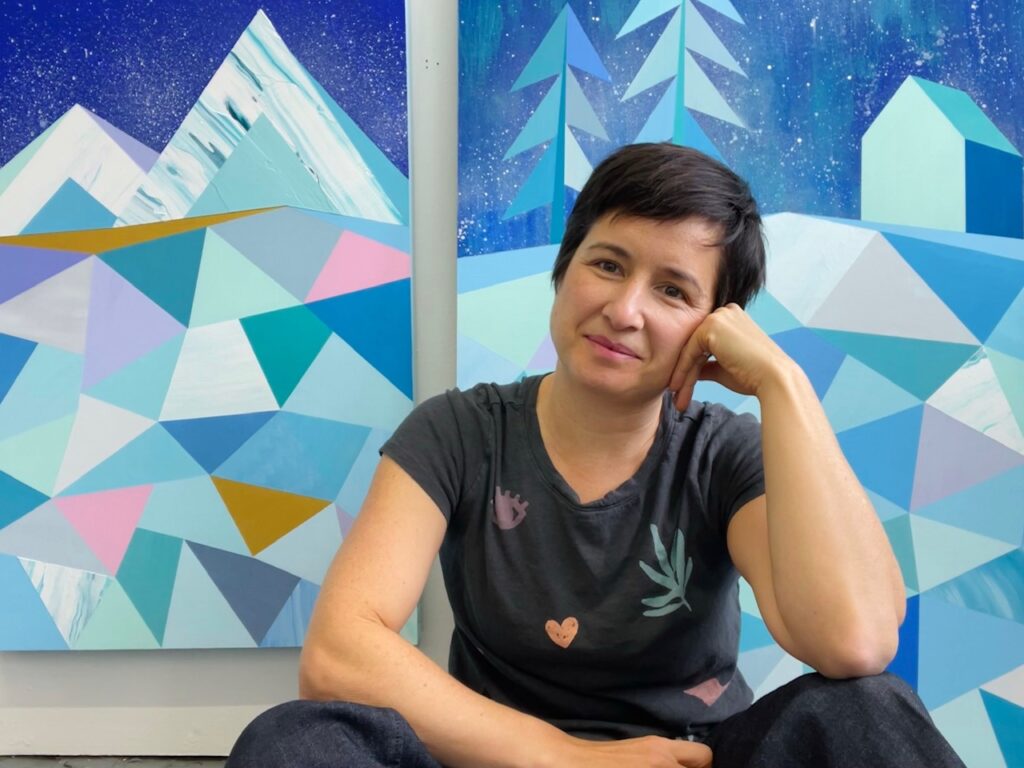
Six artists have been selected to create these artworks, including three with Japanese ancestry.
They include mixed-media artist Arleigh Endo Wood, whose themes include home, memory, climate change, and exploring her Japanese-Canadian heritage. Another artist with Japanese ancestry is Pia Yona Massie, whose films and art have been exhibited in prestigious museums in North America and Europe.
The third is Taka Sudo, who was born and raised in Tokyo but who now works in Vancouver. According to his bio, he creates organic shapes from scattered abstract elements made up of neon and neutral colours, newsprint, and photo collage.
Meanwhile, there also three artists with links to the host First Nations. Mixed-Indigenous artist Cole Sparrow-Crawford will share the perspective of a man raised in the Musqueam village in his piece.
Another artist is Míkw’achi7m | Marissa Nahanee. She’s a third-generation artist on both sides of her family from the Squamish and Nisga’a Nations.
Another of the Indigenous artists is Olivia George, whose from the Tsleil-Waututh Nation. She prefers working with acrylic paint on canvas and producing digital designs.
Haiku is a Japanese poetic form made up of three lines. There are five syllables in the first, seven in the second, and five in the third. The top poems in the Haiku Invitational will be published on the Vancouver Cherry Blossom Festival website and in the Haiku Society of America’s Haiku Canada online newsletter.
The Vancouver Cherry Blossom Festival runs from March 29 to April 25. For more information, visit its website. Follow Pancouver on X (formerly known as Twitter) @PancouverMedia and on Instagram @PancouverMedia.




