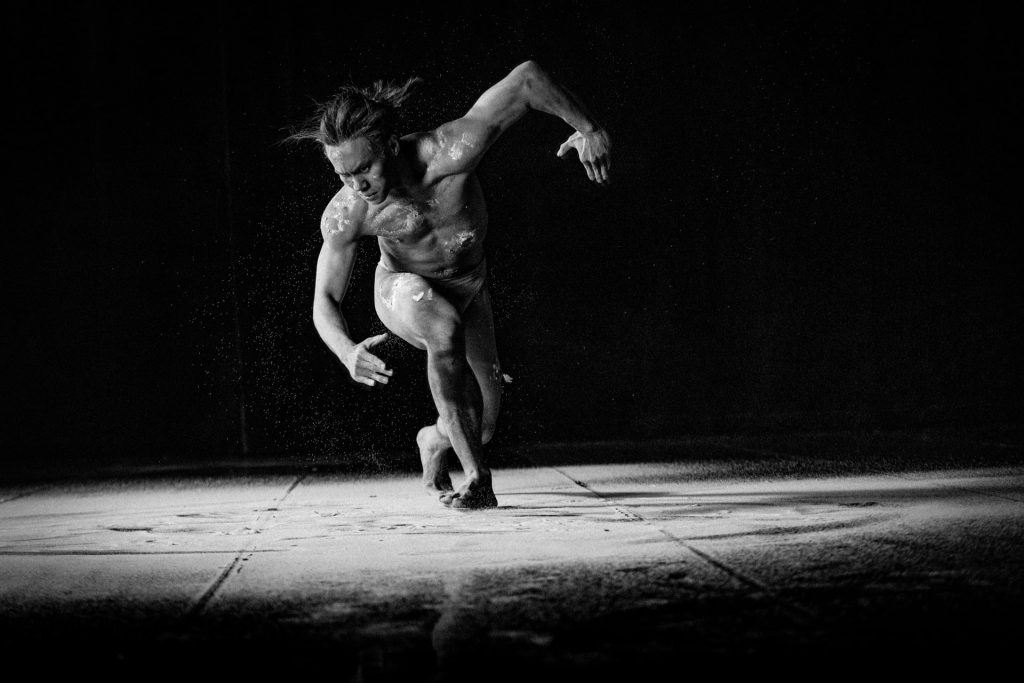
Choreographer Shihmin Szu developed a love of dance in his father’s tribal village in Taiwan. As Szu observed SaySiyat elders perform traditional Aboriginal footwork, he became fascinated by the harmony between the steps and music.
“As I grew older, I began to understand that dance is not just an art form, but also a language that can convey emotions and culture,” Szu—a.k.a. aboeh a ‘oebay tataysi’—tells Pancouver through a Mandarin-language translator. “This understanding drove me to immerse myself in the world of dance and continuously explore its deeper meanings.”
The SaySiyat people form one of the smallest of Taiwan’s 16 officially recognized tribes. Meanwhile, Szu’s mother is Amis, which is the largest tribe. He believes that his mixed SaySiyat and Amis heritage helps him incorporate diverse elements into his choreography.
“The Amis tribe is known for its fluid movements and sense of rhythm, which have profoundly influenced my dance style, enabling me to create works that are unique and full of vitality,” Szu says.
Vancouver dance lovers can soon witness this. That’s because Vancouver TAIWANfest will present Szu’s solo performance of SaySiyat azem – Soul of SaySiyat at 7 p.m. on August 31 at the Annex. SaySiyat musician Kao Chih-cheng—a.k.a. ‘itih kaybaybaw—will also perform at the free event.
“Through creation, we bring our culture to our friends in Canada,” Szu says. “I hope that through this performance, we can convey the diversity of Taiwanese culture and the SaySiyat tribe, encouraging audiences to visit the SaySiyat communities in Taiwan to experience and understand the local culture firsthand.”
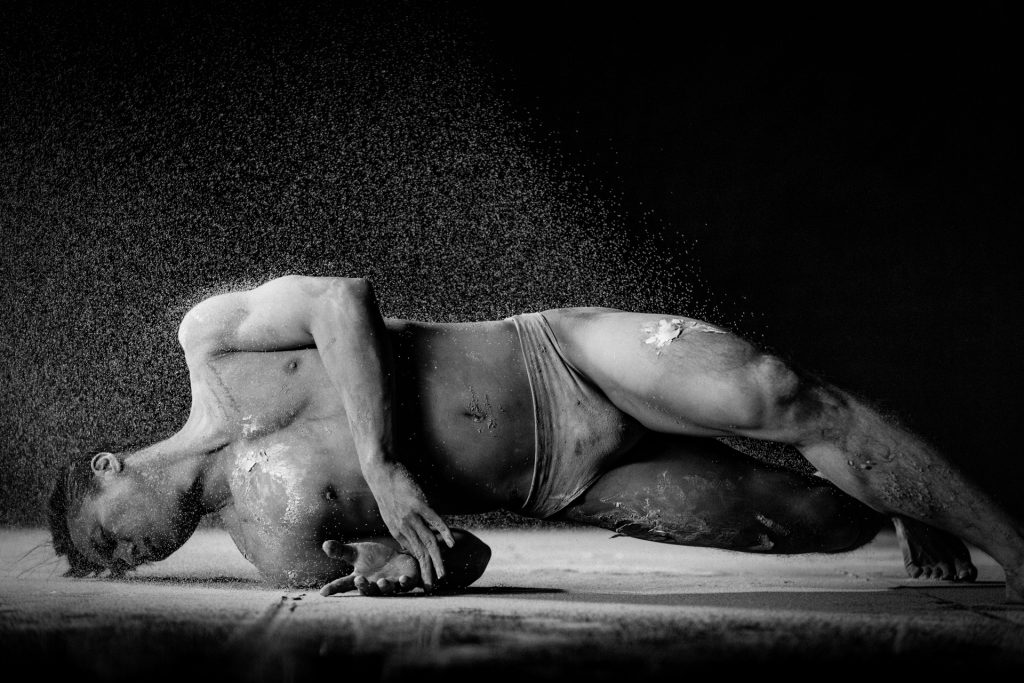
SaySiyat culture shapes choreography
Szu describes SaySiyat culture as unique and profound. Moreover, he says that it is “rich with mythology and traditional rituals that reflect a deep respect for nature and a strong belief in ancestral spirits and spirituality”.
As an example, he cites Pas-ta’ai (Ritual to the Short Spirits). Tribespeople celebrate this traditional SaySiyat ceremony in even-numbered years. Pas-ta’ai takes place around the full moon in mid-October, following the autumn harvest. And every 10 years, they hold a grand Pas-ta’ai ceremony.
“PaSta’ai is the largest traditional cultural ritual in the SaySiyat tribe, marked by gratitude, prayer, repentance, and a blend of love, hate, and reverence,” Szu states. “Unlike other Indigenous harvest festivals filled with joy and celebration, the SaySiyat people participate in each ritual with a sense of solemn respect. For me, SaySiyat culture is sacred, filled with warnings, humility, and a commitment to maintaining goodness.”
The SaySiyat people live in northwestern Taiwan and are divided into the administrative regions of Hsinchu and Miaoli counties. In the northern portion in Hsinchu, the SaySiyat share cultural influences with Atayal tribes. In parts of Miaoli, they are surrounded by Hakka Han communities. The musician, Kao, hails from this region and speaks Hakka and SaySiyat.
Furthermore, Szu points out that a wave of modernization has made it more difficult to preserve SaySiyat culture and put the language on the “endangered” list. Yet SaySiyat culture continues to inspire his choreography.
“For me, performance is not just an art form but a way of life and a mode of existence,” Szu insists. “Each dance is an exploration of the meaning of life and a declaration of cultural uniqueness and value to the world.”
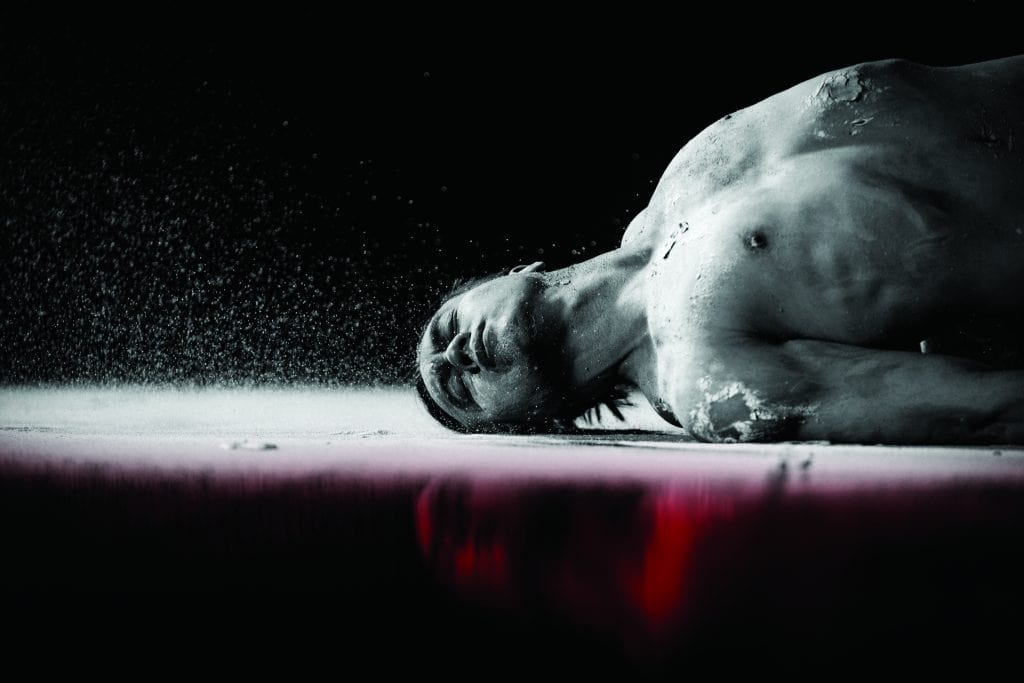
Dance is the oldest language in the world
Szu believes that his cultural identity provides spiritual strength that transcends everyday life.
“Through creation and physical expression, I hope more people can understand the harmonious, respectful, and inclusive relationships that dance can convey,” he notes. “Dance is the oldest language in the world, carrying everything that cannot be expressed in words.”
In order to perform at the highest level, Szu places a premium on physical conditioning. In addition to his rehearsals, he engages in strength training, follows a balanced diet, and prioritizes rest.
“More importantly, maintaining a strong mental and spiritual state is key, ensuring that my body fully recovers after intense training,” he adds. “This requires a high level of self-discipline.”
This hard work has paid off with awards in international dance competitions and invitations to performing arts festivals in Taiwan and internationally. He has also collaborated with artists from different cultural backgrounds.
“These experiences allow me to tell different stories through dance and witness the audience’s reactions and resonance, which brings me an unparalleled sense of accomplishment,” Szu states.
In the future, he hopes to spend more time passing on his experience and skills to the next generation of Taiwanese dancers.
“Taiwan is home to many ethnic groups, each with its rich history and stories,” Szu emphasizes. “These unique cultural values hold significant importance in the context of global multiculturalism.
“I hope to contribute in my small way, using dance creations and artistic performances to showcase Taiwanese culture to the world, particularly the unique SaySiyat culture of this land,” he adds. “I aim to convey the universal values reflected in ethnic culture and art, ensuring that the voices of the SaySiyat people in Taiwan are heard and respected both domestically and internationally.”
Event details
Vancouver TAIWANfest will present SaySiyat azem – Soul of SaySiyat at 7 p.m. on August 31 in the Annex (823 Seymour Street). To reserve a free seat, visit the Vancouver TAIWANfest website. The following night on September 1, Vancouver TAIWANfest will present another dance performance, Flamenco de Formosa, at the Vancouver Playhouse. Follow Pancouver on X @PancouverMedia and on Instagram @PancouverMedia.