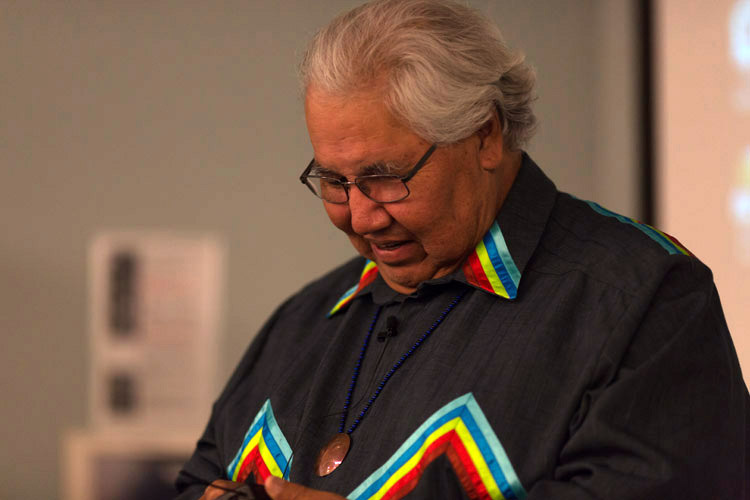
The memoir of a former senator who once led the Truth and Reconciliation Commission (TRC) offered a warning about the ongoing crisis between the U.S. and Canada—well before Donald Trump was elected to a second term as president.
The Honourable Murray Sinclair passed away on November 4, 2024, one day before Trump defeated Democrat presidential candidate Kamala Harris in the last U.S. presidential election.
Who We Are: Four Questions for a Life and a Nation was published last September while Sinclair was alive. Apart from cautioning about growing denialism over the ugly history of residential schools, Sinclair wrote how concerned he is with “the right-wing autocratic belief that has taken hold of the world”.
While trying to imagine what the world is going to be like in 25 years, he categorically mentioned that “guys like Donald Trump come along, and other autocratic leaders hold power around the world”.
Sinclair then warned that Canada faces the possibility that Trump will be re-elected and went on to add, “he will look at our oil and forestry resources and decide that he wants them. And if he wants them, what’s to stop him from taking them? I can’t tell you.”
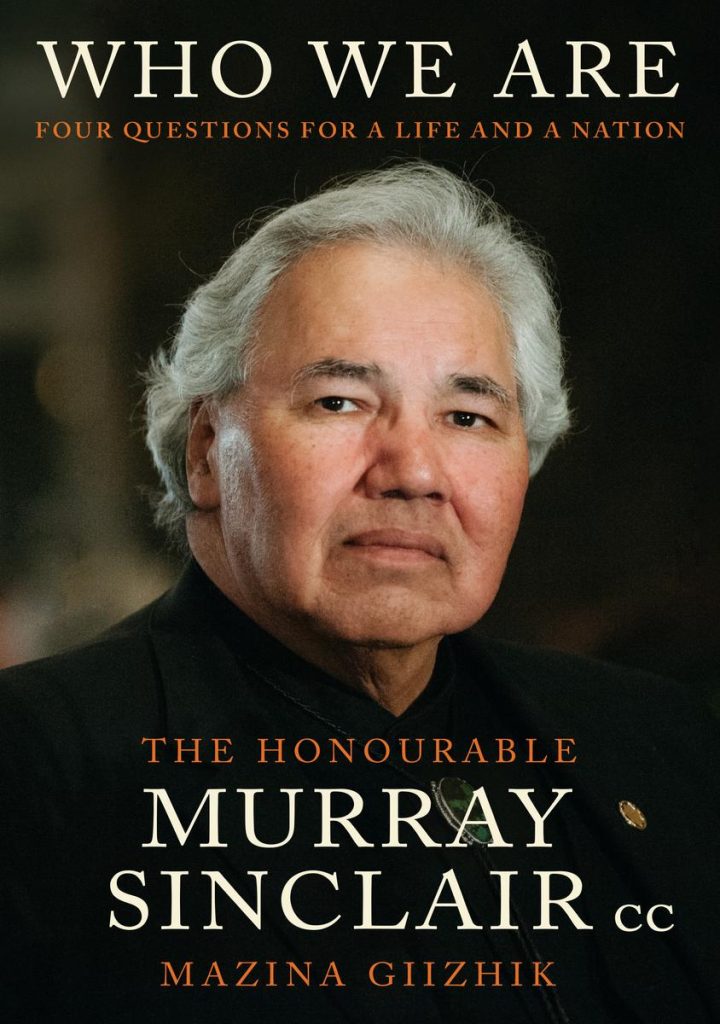
Sinclair worried about residential-school denialism
The Trump administration has not only started a full-blown trade war against Canada, but has been taunting the nation to become the 51st state. While in office, Justin Trudeau acknowledged that Trump is eyeing Canadian resources, which is why Trudeau tookthose threats seriously. Some commentators believe that Trump is behaving like a mafia leader, who often use such tactics to make the other side negotiate on their terms.
All this coincides with the emergence of far right forces in Canada, who are increasingly becoming louder in denying the genocide of Indigenous peoples at residential schools, a challenge that Sinclair was equally worried about. He further wrote about his conversation with Archbishop Desmomd Tutu, who headed a Truth and Reconciliation Commission in South Africa. Tutu had high hopes for the impact it would have on society.
“Instead, his country has been thrown into violent chaos by the political forces that are at play there,” wrote Sinclair, who then cautioned “that might be part of our future too”.
Gurpreet Singh is a B.C. author and co-founder of Radical Desi. Follow him on Bluesky @gurpreetradical.bsky.social. Follow Pancouver on X @PancouverMedia, Bluesky @pancouver.bsky.social, and Instagram @PancouverMedia.