As Torontonians gear up for the annual Pride Parade on Sunday (June 29), many in the straight world still want the LGBTQ+ community to remain out of sight. The counter-revolution against LGBTQ visibility lives within the Republican Party in the United States, right-wing parties in other countries, and some religious organizations. And LGBTQ people remain criminalized in Jamaica and Guyana in the Western Hemisphere, numerous countries in Africa, and across much of the Middle East and Central Asia. It’s also illegal to engage in homosexual acts in Pakistan, Bangladesh, Sri Lanka, Myanmar, Malaysia, Indonesia, and Papua New Guinea, according to Amnesty International.
Canada also used to criminalize homosexual acts. It wasn’t until Pierre Trudeau’s Liberal government passed Bill C-150 in 1969 that private sexual acts between consenting adults—regardless of gender—was no longer a crime.
“Take this thing on homosexuality,” Trudeau famously said at the time. “I think the view we take here is that there’s no place for the state in the bedrooms of the nation.”
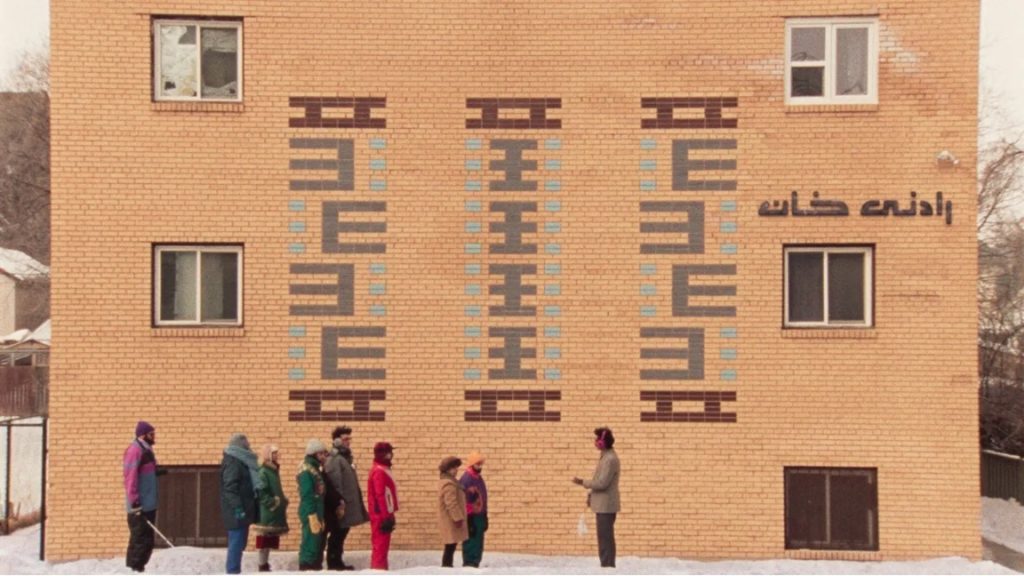
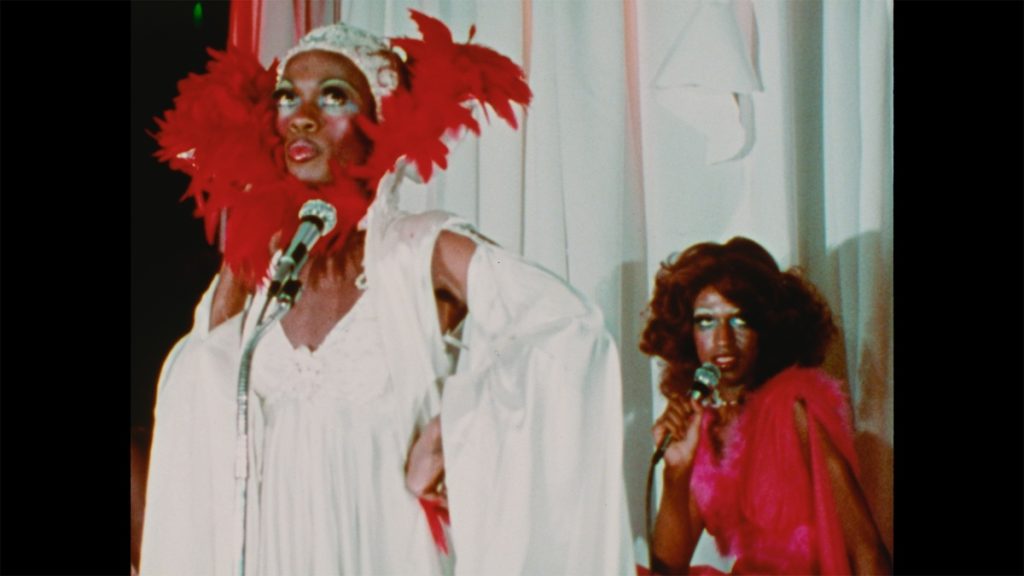
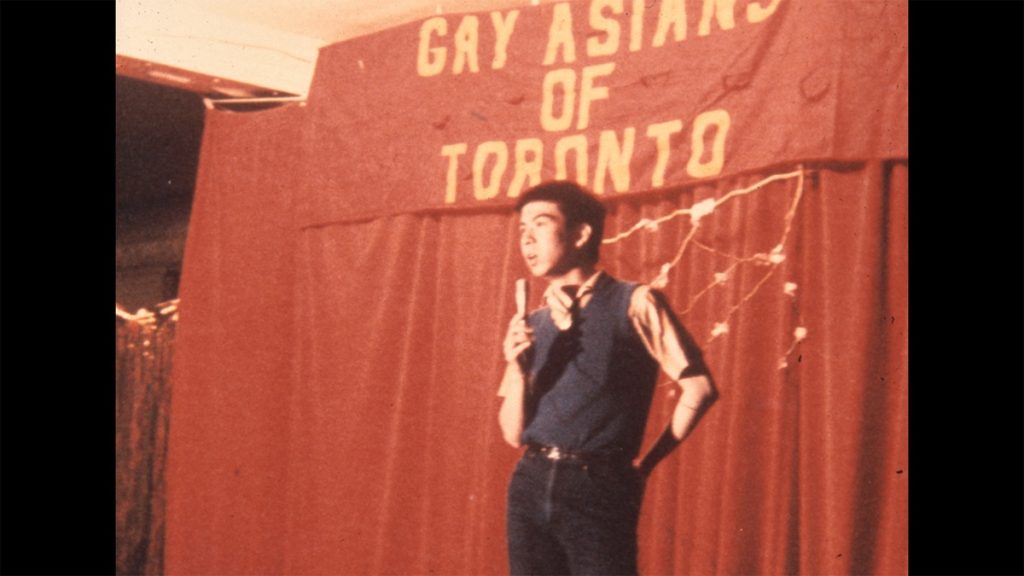
Trudeau’s quote opens Noam Gonick’s 2025 film, Parade: Queer Acts of Love & Resistance, which opened this year’s Hot Docs Canadian International Documentary Festival in Toronto. In advance of the Pride Parade, the National Film Board of Canada is streaming this 96-minute documentary for free on all its platforms. Through first-person accounts and archival footage, Gonick reveals how the LGBTQ community made enormous gains in this country through activism and resistance.
Justine Pimlott produced Parade: Queer Acts of Love & Resistance, which won the Audience Award for Best Documentary Feature at the Inside Out 2SLGBTQ+ Film Festival in Toronto.
Watch Parade: Queer Acts of Love & Resistance (above).
Parade includes footage of first national queer rally
The NFB website includes a Q&A with Gonick, which you can read below.
NFB: What did you learn about gay rights—if anything—growing up in Canada?
Noam Gonick: There was no formal curriculum when I was in school, other than some safe-sex pamphlets. Sadly, the emergence of AIDS and puberty were concurrent for me. School affinity groups were not yet happening. The Rainbow Resource Centre in Winnipeg had (and still has) a gay youth group, with a help phone line. There was also a lending library, and they sent a few of us to an international gay youth conference in Berlin when I was a teenager. My education was extracurricular.
NFB: There are so many incredible old photos and video clips in this film. How did you source archival materials, and were there any you unearthed that hadn’t been shared before?
NG: We knew about activist Jearld Moldenhauer’s early ’70s Toronto Pride footage, but in his interview with us he alluded to also filming the We Demand rally in 1971 in Ottawa. He generously allowed access to a shoe box of Super 8 reels, had them digitally transferred and found his documentation of that first national rally in Canada, unseen for over 50 years.
Grassroots organizing turned the tide
NFB: How were relationships built with people from different queer communities who are featured in Parade?
NG: We cast a wide net. Our archival process unearthed some subjects, like Jeanine Maes, who really came to us when our Archival Consultant Rebecka Sheffield discovered Maes’ groundbreaking 1968 CBC French interview. Similarly, Mirha-Soleil Ross’s interview came out of the research we did in the ArQuives—the 2SLGBTQI+ Canadian archives—which houses her fonds. Nancy Marcotte, our Archival Researcher, is deeply embedded in the Montreal community and was critical in sourcing those interview subjects. Producer Justine Pimlott has deep roots in the Toronto activist community, and many of the artists and filmmakers in Parade are also friends and people from the community whose work we have known of for years (comic Robin Tyler is actually a distant relative, although we only met on this film).
Having been part of HOLA (Homosexuals of Latin America), editor Ricardo Acosta, originally from Cuba, brought the HOLA participants to the film. And I have been friends with some of the Two Spirit organizers in Winnipeg for decades. This is how stories from the community get told by people from the community—years-long relationships that are built with trust over time.
We as a team really felt like it was “now or never,” and certainly many of the subjects did as well. Since filming, sadly, two of the participants we interviewed (Amy Gottlieb and Ron Rosenes) have passed away.
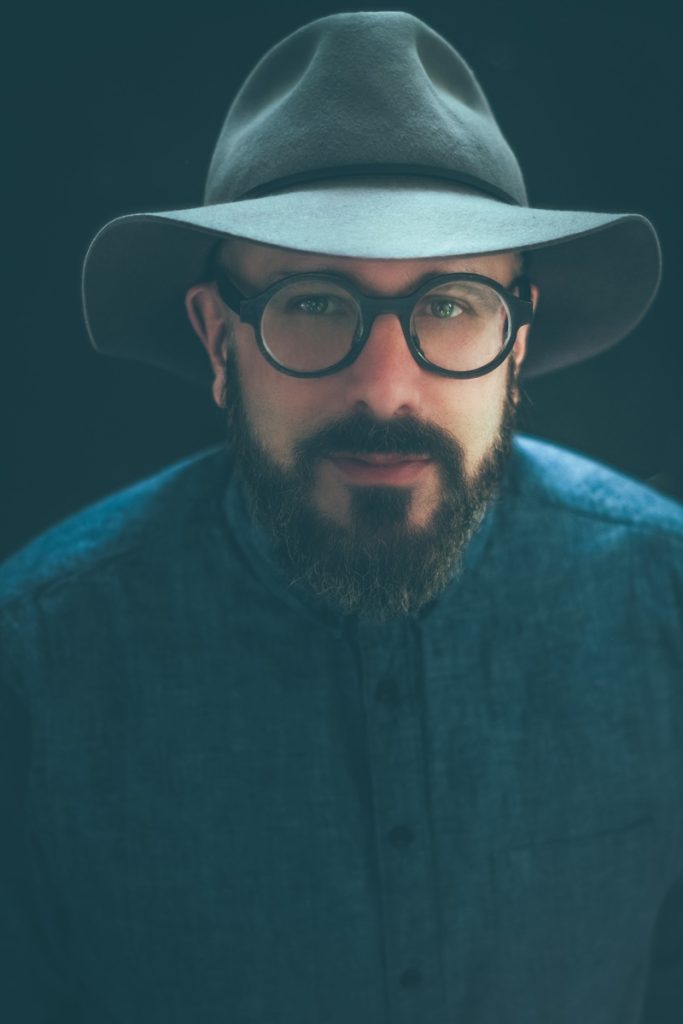
Gonick wants more 2SLGBTQI+ docs
NFB: There are a lot of things to get angry about in this film, but it’s also funny and hopeful and entertaining. How did you strike that balance?
NG: It was about remembering that even though many chapters were dire, with so much anguish and violence directed against us, it’s also uplifting to realize what was achieved with grassroots organizing. And, like the saying goes, “If I can’t dance, I don’t want to be part of your revolution.” In so many ways, the parades are about that invigoration and resuscitation, and we wanted viewers to be transported into the street, to feel the energy of those activists who did change the world.
NFB: You must have also had to leave out some voices due to different constraints. What was that like, knowing you couldn’t tell every story in one film?
NG: There were some chapters we couldn’t include because there was no record or visual archival documentation. And other chapters have already been documented in other films. This isn’t intended to be a definitive history of Canada’s 2SLGBTQI+ movement. Subjective choices were made, and there is a politic, and our filmmaking team’s perspectives, which shine more emphasis on some themes than another team might find noteworthy. I hope more Canadian docs will come out to expand on the topic.
NFB: Parade ends by connecting all the past progress to very pressing issues around LGBTQ rights in Canada today. What do you hope viewers do after watching the film?
NG: When we started this project, it seemed like LGBTQ rights had been “put to bed,” i.e., it wasn’t controversial, everybody agreed on it. But that changed over the course of production, and by the end of the film we saw that these rights we celebrate having won started to be under attack. So the stories in the film do act as a kind of blueprint for how things have been fought in the past—to revive that edgy, sloppy and dangerous history when we had to fight, and in some cases “die-in” on the streets, to move the needle. This is definitely one of those plus-ça-change moments.
Follow Charlie Smith on Bluesky @charliesmithvcr.bsky.social. Follow Pancouver on Instagram @PancouverMedia and on X @PancouverMedia. In addition, find Pancouver on Bluesky @pancouver.bsky.social.