Canada continues to rise as fertile ground for international classical and heritage artists—not only as a presenting market but as a meaningful space for cultural co-creation, long-term dialogue, and shared leadership. With vibrant diasporic communities, institutional interest in global traditions, and a growing appetite for programming that reflects the plurality of lived experiences, the Canadian cultural sector is becoming more than receptive—it is becoming responsive.
Yet, success here isn’t merely about crossing borders to perform. It requires thoughtful alignment: of vision, values, and narrative. Artists who thrive in Canada do so through relationship-building, deep community presence, and long-view investment in ecosystem fluency. The most impactful outcomes are not transactional, but transformational—emerging from co-created pathways rooted in cultural resonance.
Through the CHAI (Classical & Heritage Arts Initiative) sessions and the work of The Bandish Network, we are seeing this shift materialize across the country. Heritage and classical artists are increasingly being woven into seasonal programming, presenter residencies, touring circuits, and interdisciplinary collaborations—not as token additions, but as foundational voices. These advances are not incidental; they are the result of intentional work to foster compatible partnerships between presenters and community leaders. By centering artists as co-authors in the engagement process—not merely subjects of it—presenters are designing offerings that are not only artistically compelling but also socially grounded.
The CHAI model supports this evolution by bridging underrepresented artistic excellence with sector knowledge, audience development, and cultural capacity. In recent years, The Bandish Network has catalyzed integrated programming with several Canadian organizations. These models have reached and engaged new community members—many of whom had previously felt outside of the “mainstream” arts dialogue. Now, these same individuals feel seen, included, and empowered to return, participate, and champion work that transcends their immediate cultural reference points.
This approach is helping dismantle the siloed structures that have historically limited cultural representation. We are beginning to see real shifts:
- Cross-cultural audiences are attending centre programming for the first time.
- Presenters are co-designing with elders and international collectives.
- Season planning now includes long-neglected artistic voices that have become central to institutional offerings.
This is not symbolic inclusion—it’s operational evolution. From the stage to the boardroom, Canada’s cultural engagement is becoming more integrated, more intersectional, and more intentionally designed.
At the centre of this transformation is a call for cultural leadership that resists extractive consultation models and instead champions reciprocity, care, and shared growth. Artists and presenters are stepping forward as co-creators of a future rooted in community stewardship, access, and cultural agency.
As an expressive artist and cultural leader, my work lives at the intersection of heritage, healing, and artistic expression. It has grown into a deeply layered practice—creating spaces where stillness, memory, and transformation happen. I work across forms: large-scale canvas, fibre arts, and movement. At the heart of it all is an intent to offer resonant experiences—vibratory spaces that awaken ancestral memory and invite a deeper connection with self and society.
Alongside my artistic practice, I founded The Bandish Network in 2009, initially as a grassroots collective—a call for connection. The word Bandish holds layered meaning. In Indian classical music, a bandish is a composed piece within a raga—anchored in tradition yet open to improvisation. It is a form where structure and spirit converge, offering a foundation for deep emotional and creative expression. We chose Bandish deliberately, as it symbolizes how cultural communities operate when allowed to flow with integrity: rooted, responsive, and resonant.
Philosophically, Bandish mirrors the balance between form and freedom—between ancestral wisdom and contemporary relevance. As a network, we see our work as a living composition—each member contributing their own rhythmic phrase, yet in harmony with a greater shared intention. It’s not about unison; it’s about concord.
That symbolism guides our ethos. We’ve now grown into an internationally recognized network of over 7,000 members, advancing excellence in classical and heritage arts across Canada. Bandish champions belonging over branding, continuity over campaigns, and shared vitality over siloed visibility. Through peer mentorship streams like Naari (Women in the Arts), Young Canadian Heritage Art Practitioners, and The International Elders Collective, we foster intergenerational knowledge transfer, capacity-building, and relational leadership. Our core values are trust, cultural fluency, collaboration, and community-rooted stewardship.
Yet, despite this progress, we continue to witness artists pushed back into silos—facing unclear or qualified rejections from showcasing platforms. These experiences are especially disheartening for artists whose cultural identities are grounded in humility and non-competitive values. Recognition is often a necessity for access, but seeking it can feel unnatural or even dishonourable.

At Bandish, our work is to build trust where it’s been broken—particularly with leadership that still operates from inherited biases. We strive to build sustainable partnerships, not performative gestures. With consistency and care, artists can remain engaged in this shared journey, rather than withdrawing from it.
To me, building a better future means transforming extractive patterns into regenerative relationships. It’s about dismantling gatekeeping—both systemic and internal—and ensuring that cultural leaders are not just invited, but are co-authoring the direction of structural change. Many subcultural communities are subtly encouraged to remain isolated because systems reward separation over solidarity.
That’s why I created the Culture of Cohesion Model—a leadership and engagement framework rooted in equity, subcultural values, and trust relationships. It prioritizes co-creation, compatible partnerships, and sustainability grounded in mature cultural competencies that honour legacy and community voice.
We’re not just delivering programs—we’re cultivating continuity and care across generations. Too often, grants are awarded based on the cultural capital of the artists and communities being referenced—yet those artists are left unpaid, unacknowledged, or entirely unconsulted. These institutions need both oversight and mentorship in ethical, equitable practice. A better future begins with respecting those who carry culture as a lived practice—not extracting from them.
Within community-based organizations, internal silos are also deepening—driven by power imbalances, poor conflict navigation, and a lack of relational maturity. As more artists from nonprofits access funding, we see competition instead of capacity-sharing, cliques instead of coalitions. Some presenters become experts in the granting system but, once funded, fall into cycles of exclusion and internal politics, distancing themselves from the very communities they were created to serve.
Across Canada, we now see a growing number of culturally or genre-specific presenters—some funded, others not—often duplicating efforts rather than collaborating. International artists are flown in for single performances without any coordination among presenters. This squanders resources and reinforces exclusivity—often unintentionally enabled by outdated granting structures.
To sustain this evolution, we urgently need culture-specific mentorship models rooted in lived experience and supported by mechanisms of accountability and long-term community investment. Engaging philanthropic capacities within subcultural communities is another promising frontier—one that can seed deeper, more sustainable infrastructure for touring, training, and co-creation.
Smaller venues, galleries, and museums—as well as larger theatres—have extraordinary potential to preserve culture through curated interdisciplinary offerings and co-creative partnerships. With cultural fluency, they can become living memory spaces. These spaces offer belonging, recognition, and intergenerational continuity—attracting philanthropic investment and expanding cultural equity.
Shared leadership requires shared accountability. I’ve sat on selection committees where values-based decisions were reversed behind closed doors, undermining months of work. When power remains centralized, inclusion becomes cosmetic. That is not equity.
Mentorship, to me, is sacred work. Through Bandish, I have mentored next-generation artists—not just in skill or strategy, but in cultural confidence, equity fluency, and navigating institutional spaces. CHAI extends this commitment, developing leadership within diasporic and racialized communities through reciprocal learning and historical awareness. Our mentors grow too—through humility, listening, and co-learning.
This work is layered. It demands emotional, intellectual, and relational labour. I’ve spent decades nurturing these ecosystems—not because it’s easy, but because it’s necessary. Bandish is one example of what’s possible when we lead with trust. With space, respect, and shared resources—we can rise together.
We’re currently preparing for Tatkaar, a powerful Indian classical dance, poetry and music initiative that offers both interactive sessions and performance—a culmination of our ethos in action. Bandish also continues its monthly CHAI virtual sessions in partnership with CAPACOA, supporting sacred, untold leadership stories, co-learning, and community-centered dialogue.
Through this collective work, we are reshaping what cultural access, equity, and artistic diplomacy can look like. At Bandish and through CHAI, we remain committed to supporting artists and presenters alike as they navigate these shifts with confidence, insight, and care.
The next gathering of the Classical & Heritage Arts Initiative (CHAI) is at 8 a.m. Pacific Daylight Time on Monday (September 15). This 90-minute session brings together cultural presenters, artists, producers, investors, and sector leaders to explore how collective partnership models can foster more efficient and compelling cultural presentations.
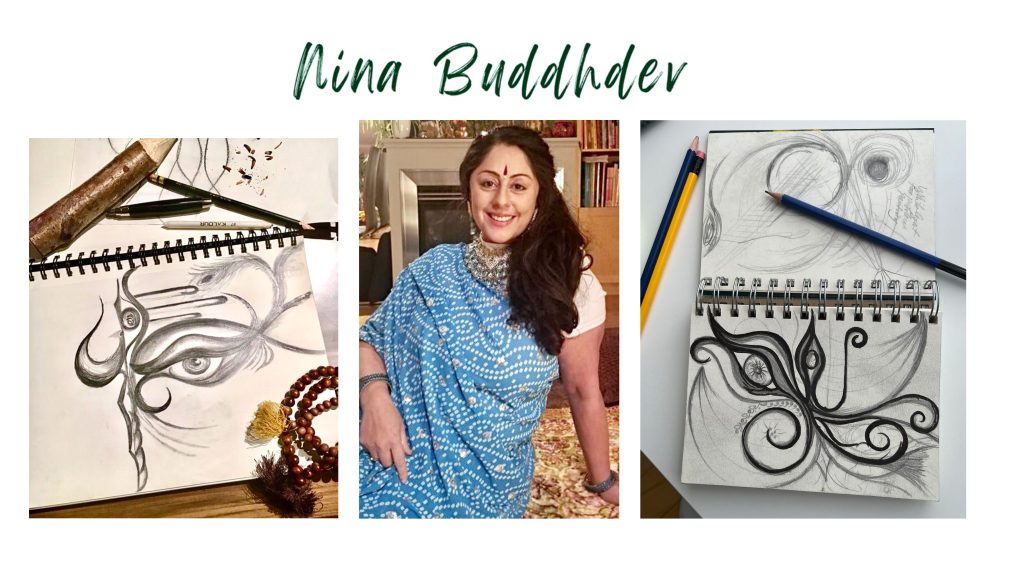
Nina Buddhdev is a B.C.-based cultural arts strategist, visual artist, and heritage arts activist. She founded the Bandish Network in 2009. To connect with Nina via the Arts BC Insight Team, please visit: https://artsbc.org/insight-team. Listen to her B.C. Museums Week Live Podcast: Exploring Models of Cultural Engagement with Nina Buddhdev. To learn more about the Bandish Network, visit its Facebook page. Follow Pancouver on X @PancouverMedia. Find Pancouver on Bluesky @pancouver.bsky.social and Instagram @PancouverMedia.