Dragons and mermaids. Poetry and man.
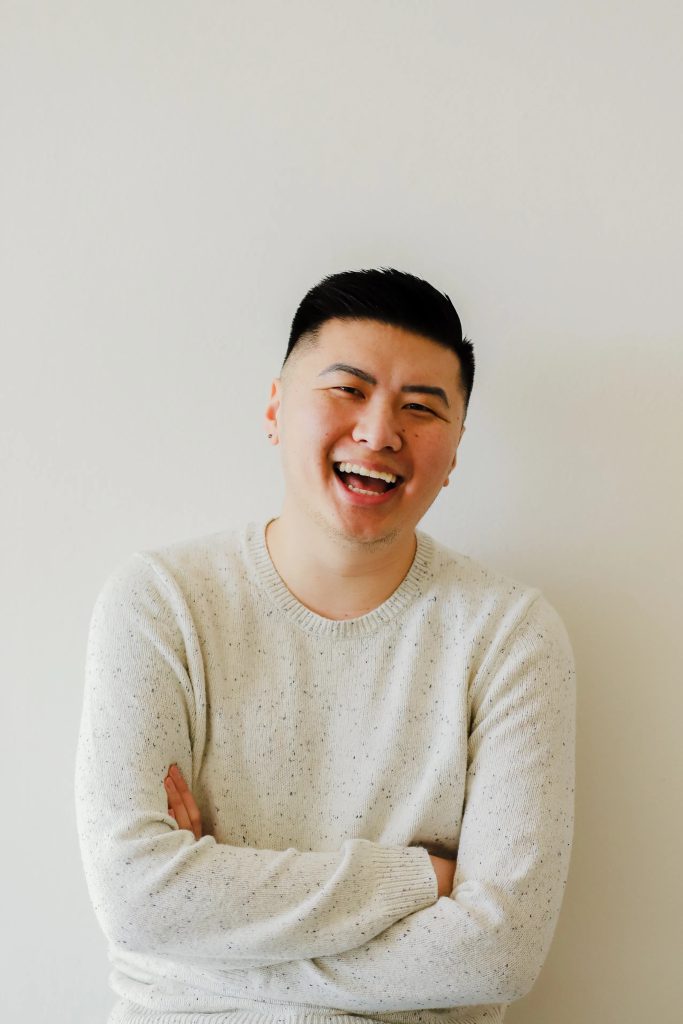
Vancouver writer David Ly’s debut novel Not All Dragons invites readers into a fantastical world of wings, shimmering tails, and delicious fruit. The main character Rhys wakes with only mysterious wounds on his back and no memories of his life. He finds aid and a friend in Delia, a mermaid who decides to help him regain his identity. On his journey, he meets other creatures—some malicious and some friendly—from the shape-shifting Mernese to the skyfaring draykin, descendants of the dragon.
Why dragons?
“Ask anybody in my life that’s close to me or knows of me,” Ly told Pancouver over Zoom. “Dragons are my thing.”
Ly has always had an obsession with dragons growing up. He was drawn to the myth that follows them. For Ly, dragons are “ungraspable” in the way that they are constantly changing appearances and abilities. But they remain present in our imaginations—just look at any top-selling book list or movies.
The concept of a majestic winged beast, symbolizing strength and power, exists in multiple cultures around the world. Ly has yet to find an iteration of dragons that do not appeal to his interest!
When asked if his dragons are inspired by any particular myth or culture, Ly was excited to share: “I found out that the creation myth of Vietnam, Vietnamese people, is that we are the result of a dragon lineage.”
The story goes that there was a mountain fairy queen from the north, who fell in love with the dragon king of the south. Their children, born from dragon egg sacs, were separated into the north and south of Vietnam.
“My family, we come from the south,” said Ly. “So we are technically the dragon’s kids.”
He didn’t grow up knowing this story. It’s a bit of a full circle moment—from childhood fascination to his first novel, as if the dragon in his blood was guiding him all along. Ly hopes that readers can find something unexpected in a story with Vietnamese myth woven within it.
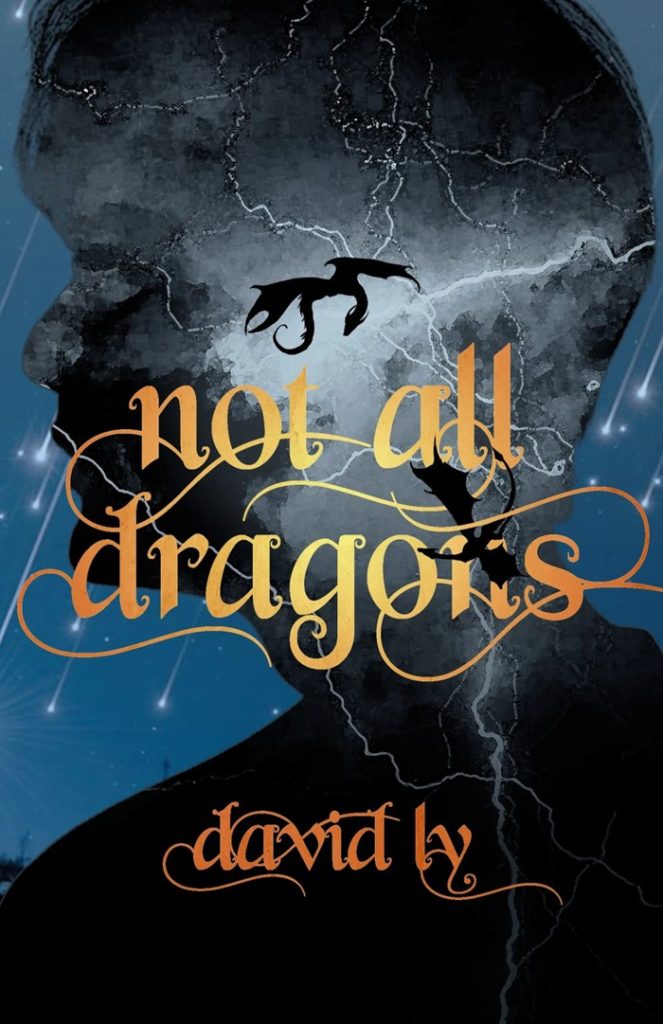
The fantasy genre is something every aspiring writer has wanted to try, though not all succeed. Ly admitted that building a fantasy world is quite daunting for him. Worldbuilding can be intense; he was scared of losing himself in the details.
“For a long time, the setting of Lanilia was not called that. It was called ‘The Country,’” Ly told Pancouver. “I didn’t want to name it. I was scared of writing a world, and I feared that if I named the world, it would be this big thing I couldn’t control.”
It’s not until his editor, AGA Wilmot, encouraged him that he really allowed himself to explore and build the world of Lanilia. In a way, his previous experience with poetry was almost like sketches for the novel. Through prose, he could expand on the story he wanted to tell in vivid, magical detail.
Something about Lanilia that stands out are the names of its fruits. Hushmangoes, sunpearls, mourningberries, cindergrapes. These unfamiliar names distinctly tell readers they are in another world, yet just from reading them aloud, one can easily imagine their taste.
“Food is important in fantasy worlds,” Ly said. “They really determine cultures and behaviours.”
Take the hushmango for example—according to the novel canon, the quieter the environment is where the fruit grows, the sweeter its taste will be. By building off lore like this, Ly was able to shape the world and the people within it.
“That’s one thing I really liked to play with in the book. There were myths within the myth.”
Ly also shared his process for overcoming one of the biggest challenges in fiction writing: establishing names. He knew he wanted to stick with words familiar to himself, so he began playing with combinations of common words to build the “taste” of the world. Another strategy was to physically sound out the more “madeup” names until he landed on one that felt natural to him.
“That’s kind of how ‘Lanilia’ came out,” Ly said, “I liked the repetition of the Ls and it was very soft.”
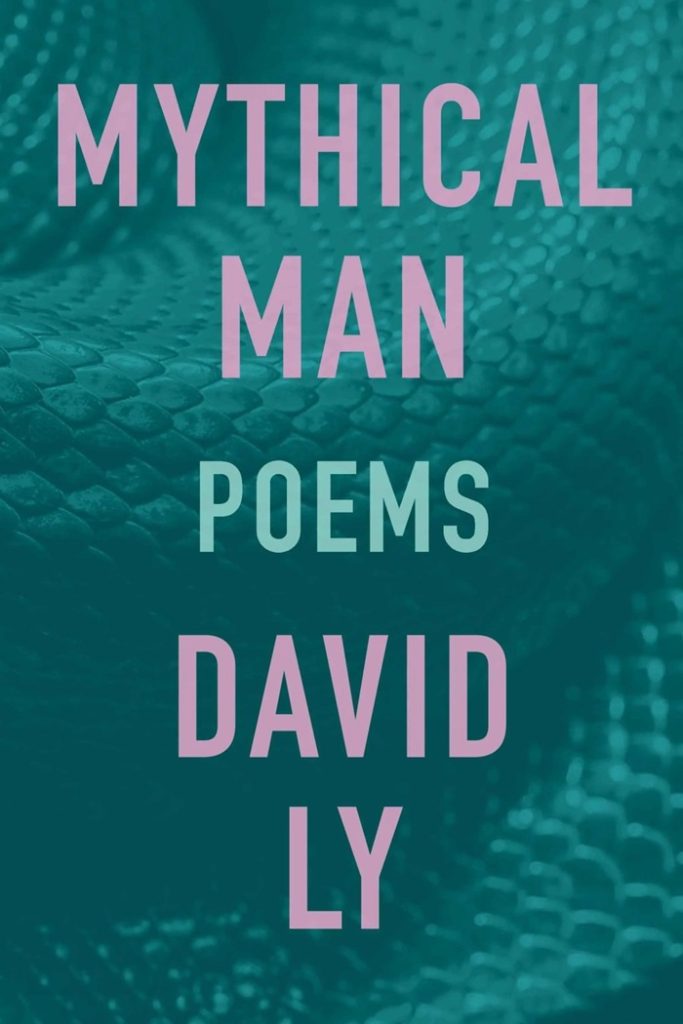
“In a lot of ways, this novel stemmed from Mythical Man, my first poetry book.”
The mythology of being a man—or a dragon—is a major theme for this novel. Those familiar with Ly’s poetry might recognize these questions of identity embedded throughout Rhys’ story. The confusion and lostness from the first pages, to the dawning horror of facing who he was and what he has done, to the courage in deciding how to move forward… All of this is filtered through an immersive, fantastical world that invites readers to embark on an adventure beyond the social constructs of today’s modern society.
Despite the title of the novel, Ly admitted that he has always been drawn to the fluidity of the Mernese, or the mermaids. Their ability to shift between forms represents a freedom that resonates with him.
“I like to play with identity a lot in my work,” Ly said, “and it’s a theme that shows up a lot in different ways. The whole idea of shifting forms is really evocative to me.”
It’s clear that Ly is telling a story where change is not only okay, but a large part of being alive.
Not All Dragons is a breathtaking adventure from the sea to the sky. It’s also a reflection on grief, identity, and self-acceptance. The more Rhys learns about himself, the more lost he feels. Dragon or not, growing up often feels like this—the turmoil of reconciling the decisions you made in the past, and the weight of the truth when making decisions for the future.
Ly alludes to all these processes in Rhys’ journey. He also hopes that readers can draw their own conclusions.
“I like endings that aren’t totally a complete resolved type of thing,” Ly said. “I don’t think it’s that simple.”
What is an ending? Where does a journey end? Not All Dragons must come to an end, as all novels do. Rhys’ story, however, continues beyond the pages.
“Things happen, but things need to keep happening,” Ly said. “But there was some kind of comfort in that. Things don’t always pan out how we expect them but there’s a sliver of comfort in how it does pan out.”
While Ly told Pancouver that he didn’t plan on writing more of Rhys’ story, he would like to revisit Lanilia in the future. If he did, readers might be able to see Rhys pop up as a character.
“It would be my own little dragon egg—easter egg—kind of. Knowing where he’s headed, it would be interesting to see where he came from.”
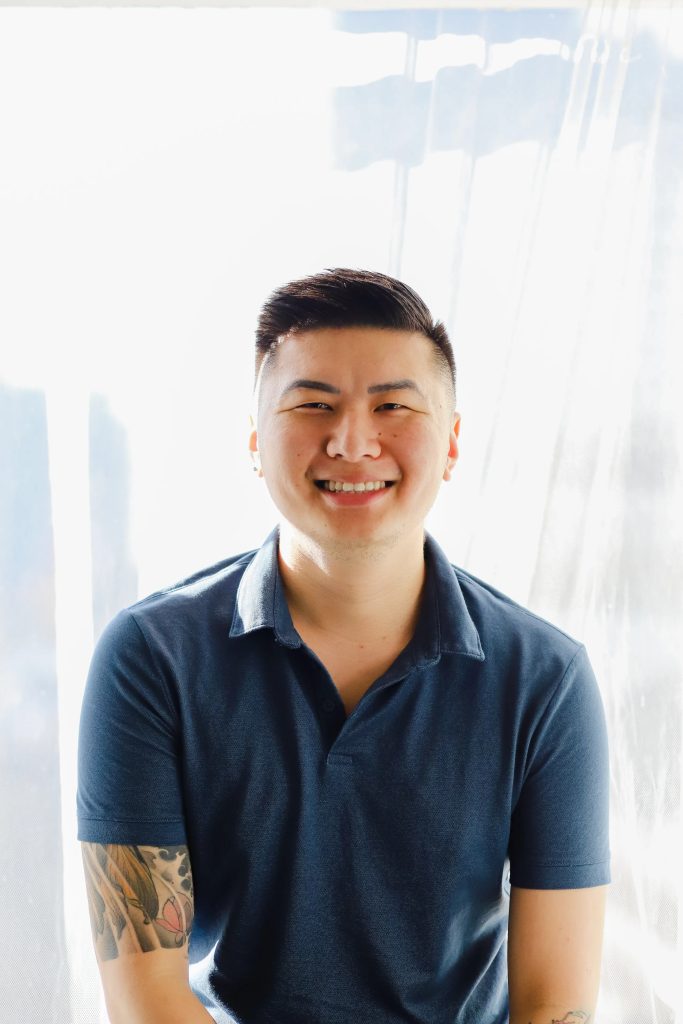
As an Asian Canadian writer, Ly looks forwards to seeing more writing from fellow Asian Canadian writers.
“Just keep writing and be more present,” he said. “Writing weird stories that break moulds and defy expectations. I want stories that continue to be loud. I’d like for us to be a bit more bolder. We are, there’s a lot of exciting writing by Asian Canadians, but it can definitely—and it will—keep getting bolder.
“I just think we have some exciting stuff going on, and definitely a lot of weird writing. A lot of weird ideas and stories, and that’s kind of where I like to play and like to read.”
Not All Dragons officially released this Asian Heritage Month on May 19, 2026. David Ly will be launching his book in Vancouver on May 27 at Iron Dog Books. RSVP here. You can learn more about Ly and his writing on his website.
Follow Pancouver on Instagram @PancouverMedia, on X @PancouverMedia, and on Bluesky @pancouver.bsky.social.