

A Hindi police film about a female detective’s pursuit of a cult leader received one of the top honours at a B.C. film festival. Bayaan, written and directed by Bikas Ranjan Mishra, was named Best Feature Film at the Sundar Prize Film Festival, which was recently held in Surrey and North Delta.
Bayaan is set in Rajasthan, where the cult leader has been accused of sexual abuse. Huma Qureshi plays the female detective, Roohi.
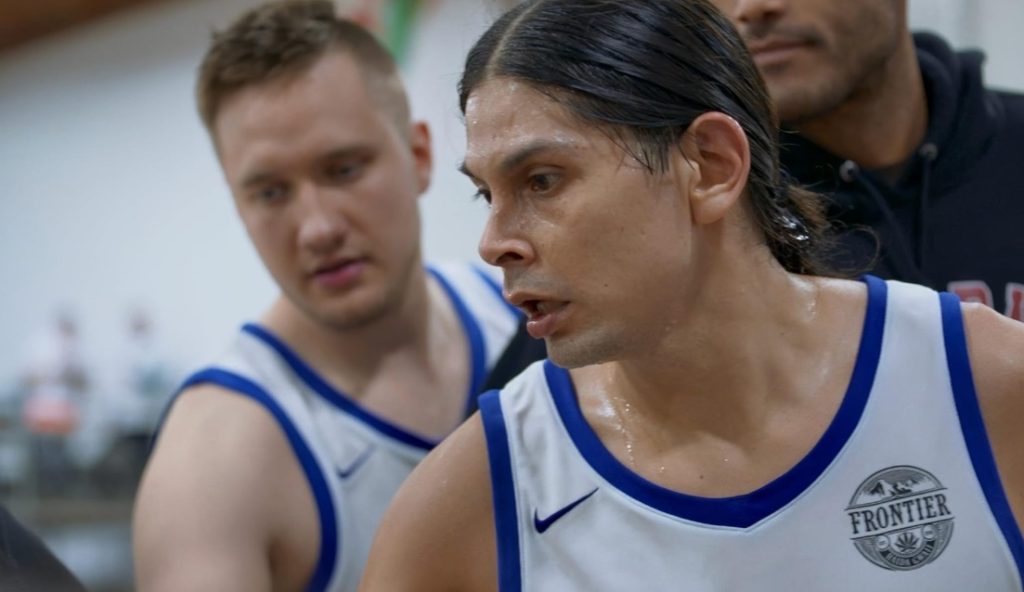
Meanwhile, the Best Feature Documentary prize went to Saints and Warriors. Directed by Patrick Shannon, it revolves around the Skidegate Saints competing in the 2024 All Native Basketball Tournament. Tristin Greyeyes’s A Cree Approach was honoured as Best B.C. Feature Film.
“As a festival rooted in social justice, human rights, and community care, we are proud to celebrate filmmakers whose work makes people feel seen, heard, and less alone,” said festival co-founder Amar Sangha in a news release.
Sundar prize winners
Best Feature Film — Narrative Live Action, was awarded to Bayaan, directed by Bikas Ranjan Mishra, which received a $2,000 cash prize.
Best Short Film — Narrative Live Action went to “One Day This Kid”, directed by Alexander Farah, Assets which received a $1,000 cash prize.
Best Feature Documentary was awarded to Saints and Warriors, directed by Patrick Shannon, which received $2,000,
Best Short Documentary went to “Light Through the Blindfold”, directed by Alireza Kazemipour, earning $1,000 and a TELUS originals swag box.
The Best BC Feature Film award went to A Cree Approach, directed by Tristin Greyeyes, which received a $2,000 cash prize and a $10,000 equipment-rental gift certificate from Keslow Camera.
Best BC Short Film was awarded to “Red Light Rebel”, directed by Hannah Yang, which received $1,000 and a $400 gear credit from Rainscope Filmworks.
The Fire in Our Hearts, directed by Josias Tschanz, won Best Environmental Film an a $1,000 cash prize; “Sing to the Wind”, directed by Yaffa Aboudib Husseini, won Best Short Animation and a $1,000 cash prize; and Et Maintenant? (What Now?), directed by Jocelyn Forgues, received the award for Best Spiritual, Health, and Wellness Film. The film received a $1,000 cash prize.
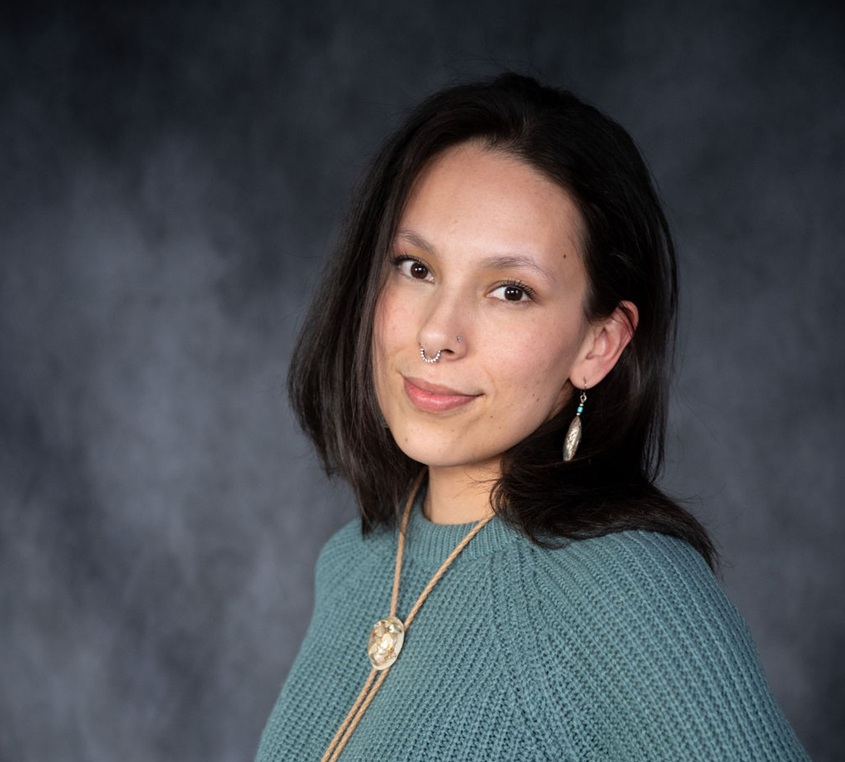
The Best 2SLGBTQ+ Film award went to If, directed by Tathagata Ghosh, which received a $2,000 cash prize.
In the emerging talent categories, Best Student Film was awarded to “Praying for Love”, directed by Sofia Tonin. which received a $500 cash prize;
Best Youth Film — 19 and Under went to “Fallen”, directed by Angela Ruohan Yan, which received a $500 cash prize.
The BC Student Film Showcase Award was presented to “Home Is a Feeling”, directed by Ryah SM King, which received $1,000 and a $3,000 equipment-rental gift certificate from Sparky’s Film Rentals.
The KDocsFF Best Emerging Filmmaker Residency Award was awarded to Özgün Gündüz, who received $1,000 and a four-month filmmaker residency at Kwantlen Polytechnic University .
The Performer’s Mastery Award for Outstanding BC Performance went to Medha Gautham, who received a $500 cash prize. ACTg Vancouver also awarded Medha tuition to a three-day Performer’s Mastery Workshop, valued at $750.
Follow Pancouver on X @PancouverMedia and Instagram @PancouverMedia.




