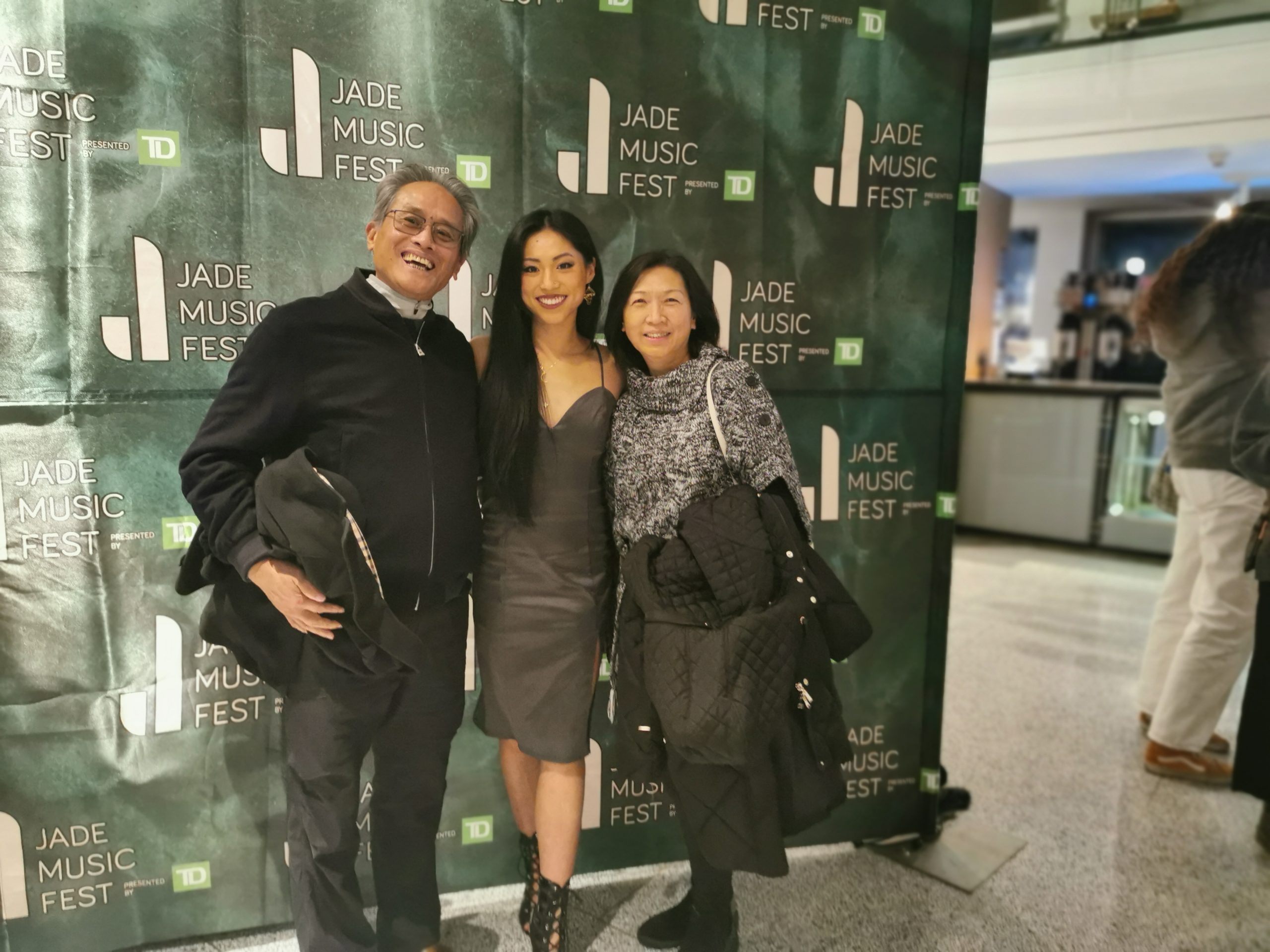
開明的台裔父母為樂凡的音樂奠定了基礎。
Vanessa Yuen 成為藝術家 Van Lefan 的旅程,是一段與移民密切相關的故事,背後承載著父母大膽的決定與價值觀。從父母移民的冒險,到他們對女兒創作興趣的無條件鼓勵,Vanessa 的藝術之路奠基於「選擇」──既有她自己的選擇,也有父母替她所做的選擇。

Vanessa Yuen 成為藝術家 Van Lefan 的旅程,是一段與移民密切相關的故事,背後承載著父母大膽的決定與價值觀。從父母移民的冒險,到他們對女兒創作興趣的無條件鼓勵,Vanessa 的藝術之路奠基於「選擇」──既有她自己的選擇,也有父母替她所做的選擇。

十三位加拿大音樂家(其中六位來自溫哥華)將參加在台灣舉行的國際音樂節。所有來自溫哥華的表演者都計畫在亞洲 Jade Music Fest 上以國語、粵語或台語演唱,活動將於 4 月 25 日(週五)至 4 月 27 日(週日)在台北華山 1914 文創園區舉行。

多元創作者 Van Lefan 樂凡在第二張完整專輯中,汲取了她在諮商心理學系的學習經驗。身為學生的她,深刻體會到寫作在面對創傷與悲傷時的療癒力量。

當溫哥華音樂人樂凡 (Van Lefan) 在台灣長大時,農曆新年是一個「非常」重要的節日。親戚們會來訪,甚至從遠方趕來,因為農曆新年假期通常會持續一整個星期。「我們會聚在一起,進行各種傳統的慶祝活動,」樂凡在 Zoom 上告訴《Pancouver》。「即使我的父母現在住在這裡,跟大家族一起慶祝的感覺還是完全不同。」
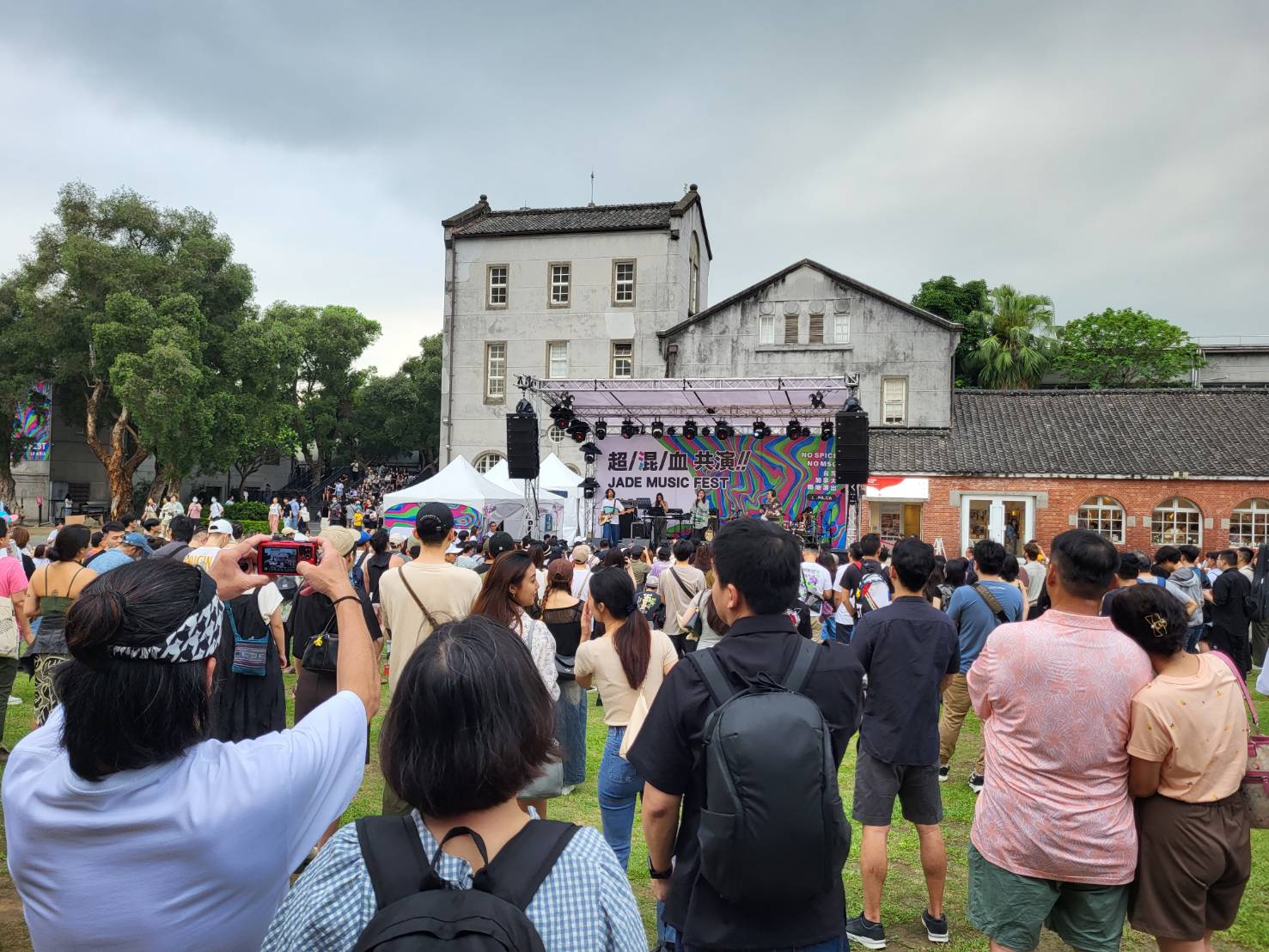
今年春天,太平洋彼岸舉辦了一場跨文化盛宴。由溫哥華發起的玉石音樂節(Jade Music Fest) 在台北舉辦了首屆玉石音樂節:超混血共演(Jade Music Fest in Asia),共有來自加拿大、台灣、香港和澳洲的17位音樂家登台表演。

看到一位在溫哥華出生並在卑詩省接受教育的音樂家認真演奏來自他移民父母家鄉的歌曲,真的讓人很感動。深受古典音樂訓練的鋼琴家秋咏(Jason Qiu)決定在 Jade Music Fest (10月18日星期三)上演唱中文民謠和搖籃曲就是這樣一個例子。

溫哥華音樂家兼環保人士樂凡(Van Lefan)對自小而來一直持有的核心價值觀作出了調整。在台灣出生的她於11歲的時候與家人移民至楓樹嶺。她透過Zoom視訊會議向Pancouver說:「我整輩子都覺得自己是來自台灣。」然而,她於去年到訪該島國的時候,由衷地覺得原住民才是台灣真正的首批居民。她是於排灣族傳統領地的台東縣產生這種覺悟。


The Society of We Are Canadians Too created Pancouver to foster greater appreciation for underrepresented artistic communities. A rising tide of understanding lifts all of us.
This project is funded in part by the Government of Canada.
We would like to acknowledge that we are gathered on the traditional and unceded territories of the Coast Salish peoples of the xʷməθkwəy̓əm (Musqueam Indian Band), Skwxwú7mesh (Squamish Nation), and Səl̓ílwətaɬ (Tsleil-Waututh Nation). With this acknowledgement, we thank the Indigenous peoples who still live on and care for this land.
This project is funded in part by the Government of Canada.
The Society of We Are Canadians Too created Pancouver to foster greater appreciation for underrepresented artistic communities. A rising tide of understanding lifts all of us.
We would like to acknowledge that we are gathered on the traditional and unceded territories of the Coast Salish peoples of the xʷməθkwəy̓əm (Musqueam), Skwxwú7mesh (Squamish), and Səl̓ílwətaɬ (Tsleil-Waututh) Nations. With this acknowledgement, we thank the Indigenous peoples who still live on and care for this land.
Independent arts journalism needs readers like you!
If you value stories like this, please consider supporting Pancouver.