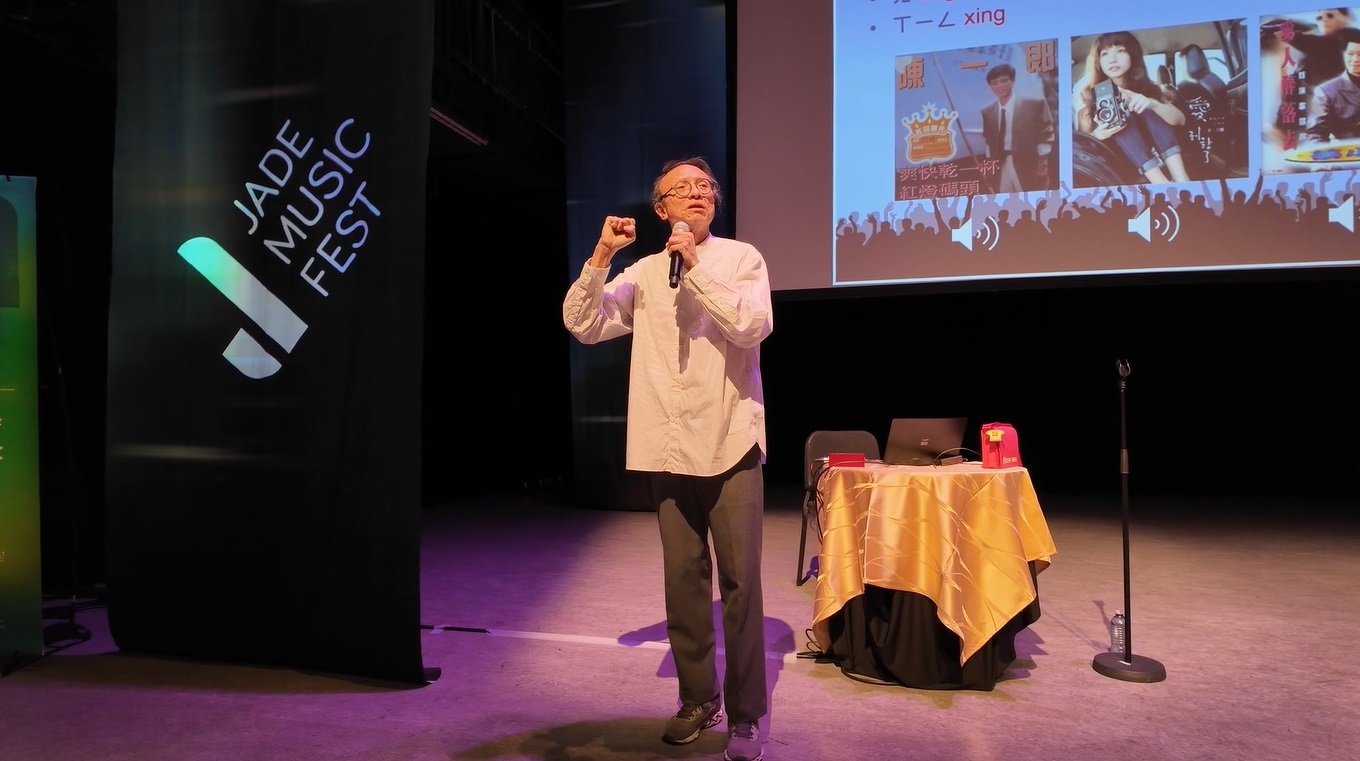
音樂學家陳峙維揭示創作者如何在原創音樂中探索族裔與身份
一位台灣音樂學家為有意向亞洲觀眾呈現族裔特色的加拿大華裔音樂人提供了一個建議:向父母、祖父母、姻親或鄰居請教,請他們唱或演奏一些亞洲民間音樂。

一位台灣音樂學家為有意向亞洲觀眾呈現族裔特色的加拿大華裔音樂人提供了一個建議:向父母、祖父母、姻親或鄰居請教,請他們唱或演奏一些亞洲民間音樂。

大家或許聽過一個中華民國的「國語」如何制定的故事。中華民國成立時,政府要選一個方言做為國語,當時北京話已經通行全國,自然成了首選。然而,因為首創革命的中山先生是廣東人,所以部分人士支持以廣東話為國語。雙方僵持不下,只好投票決定。最後廣東話輸了一票,所以國民政府就採用北京話為國語。真的假的?這篇就來談談這段現代漢語發展的往事,一探關於制定國語的傳說。


The Society of We Are Canadians Too created Pancouver to foster greater appreciation for underrepresented artistic communities. A rising tide of understanding lifts all of us.
This project is funded in part by the Government of Canada.
We would like to acknowledge that we are gathered on the traditional and unceded territories of the Coast Salish peoples of the xʷməθkwəy̓əm (Musqueam Indian Band), Skwxwú7mesh (Squamish Nation), and Səl̓ílwətaɬ (Tsleil-Waututh Nation). With this acknowledgement, we thank the Indigenous peoples who still live on and care for this land.
This project is funded in part by the Government of Canada.
The Society of We Are Canadians Too created Pancouver to foster greater appreciation for underrepresented artistic communities. A rising tide of understanding lifts all of us.
We would like to acknowledge that we are gathered on the traditional and unceded territories of the Coast Salish peoples of the xʷməθkwəy̓əm (Musqueam), Skwxwú7mesh (Squamish), and Səl̓ílwətaɬ (Tsleil-Waututh) Nations. With this acknowledgement, we thank the Indigenous peoples who still live on and care for this land.
Independent arts journalism needs readers like you!
If you value stories like this, please consider supporting Pancouver.