Advance Theatre Festival returns to Shadbolt Centre with five stage readings over five days
This year’s festival will unveil works that address immigration, wartime connections, and the commodification of identity in the arts.

This year’s festival will unveil works that address immigration, wartime connections, and the commodification of identity in the arts.
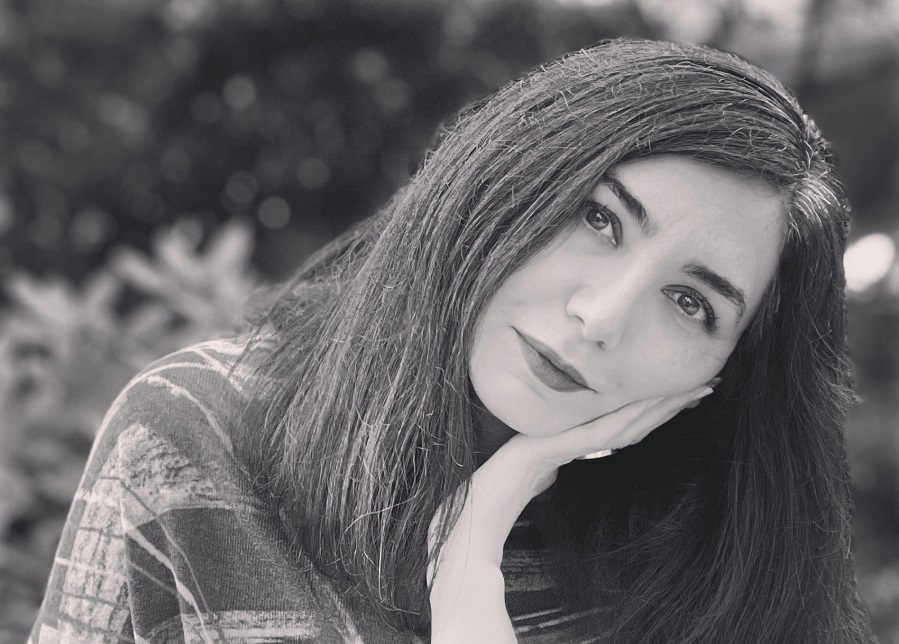
Yaghoubi has written Evina’s Barrier as the second installment of a trilogy about women who seek the help of therapists to overcome obstacles.


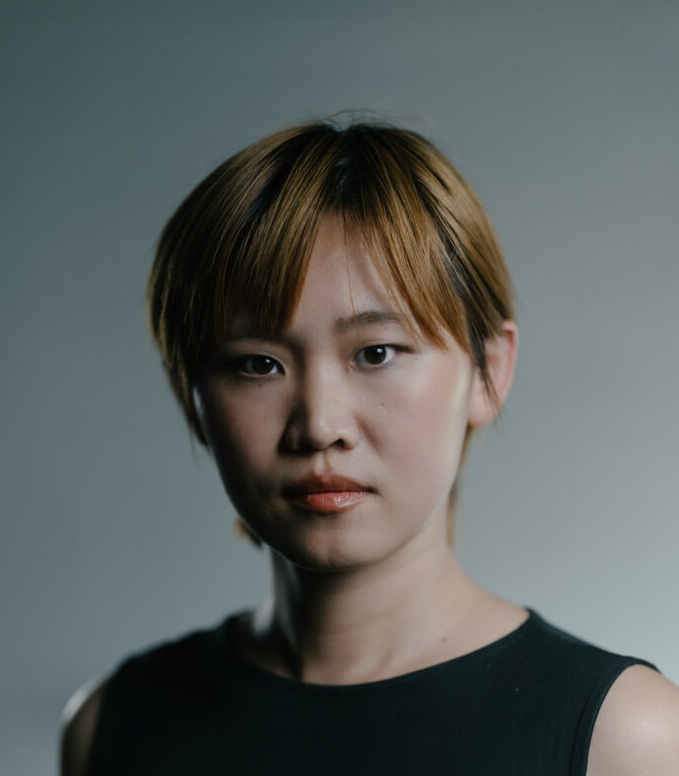
According to Padilla, her play revolves around a grandmother with dementia who escapes a nursing home because she misses her grandkids,

剧作家兼演员 Abi Padilla 踏上了一个全新的冒险旅程,当 Studio 58 戏剧课程要求她演出一场独角戏。这份作业是毕业条件,提供了她一个机会,可以在舞台上尝试之前从未探索过的事物。

劇作家兼演員 Abi Padilla 踏上了一個全新的冒險旅程,當 Studio 58 戲劇課程要求她演出一場獨角戲。這份作業是畢業條件,提供了她一個機會,可以在舞台上嘗試之前從未探索過的事物。

Wallace wrote her latest play because she wanted to elevate awareness about the importance of not “othering” people who are of mixed ancestry.

Ruby Slippers Theatre will present a stage reading of Parifam at the Advance Reading Festival at Burnaby’s Shadbolt Centre for the Arts.


The Society of We Are Canadians Too created Pancouver to foster greater appreciation for underrepresented artistic communities. A rising tide of understanding lifts all of us.
This project is funded in part by the Government of Canada.
We would like to acknowledge that we are gathered on the traditional and unceded territories of the Coast Salish peoples of the xʷməθkwəy̓əm (Musqueam Indian Band), Skwxwú7mesh (Squamish Nation), and Səl̓ílwətaɬ (Tsleil-Waututh Nation). With this acknowledgement, we thank the Indigenous peoples who still live on and care for this land.
This project is funded in part by the Government of Canada.
The Society of We Are Canadians Too created Pancouver to foster greater appreciation for underrepresented artistic communities. A rising tide of understanding lifts all of us.
We would like to acknowledge that we are gathered on the traditional and unceded territories of the Coast Salish peoples of the xʷməθkwəy̓əm (Musqueam), Skwxwú7mesh (Squamish), and Səl̓ílwətaɬ (Tsleil-Waututh) Nations. With this acknowledgement, we thank the Indigenous peoples who still live on and care for this land.
Independent arts journalism needs readers like you!
If you value stories like this, please consider supporting Pancouver.