A bestselling novel was pulled from a French literary prize after AI accusations—what next?
Thélyson Orélien says he finished a draft of his novel, C’était ça ou mourir, long before generative AI was commercially available.

Thélyson Orélien says he finished a draft of his novel, C’était ça ou mourir, long before generative AI was commercially available.
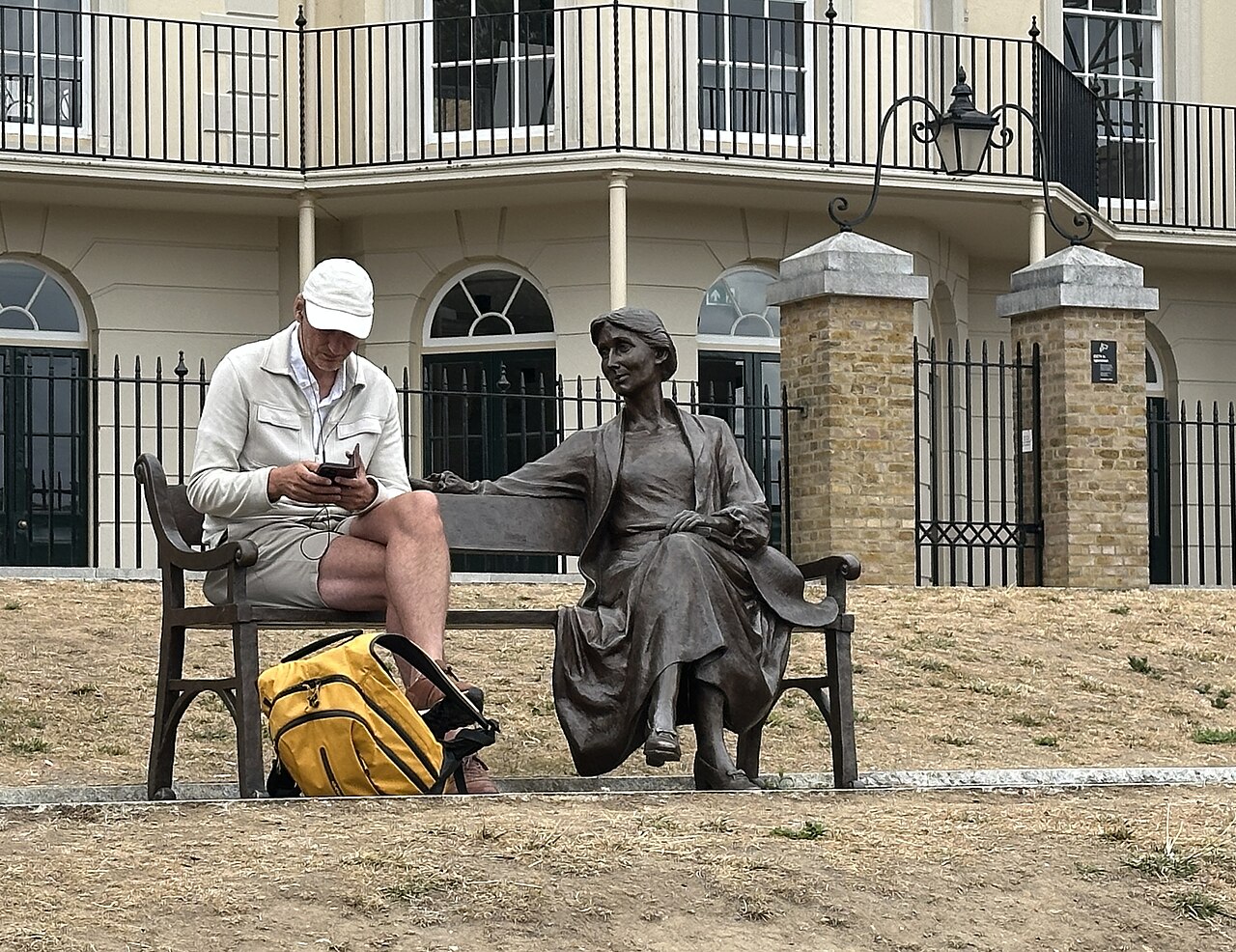
To generate a scene, you must do for the machine what earlier novelists did for readers: translate objects, spaces, and moods into words.

The “AI disclosure penalty” reminds us that the consumption of art is not tied to purely aesthetic considerations.
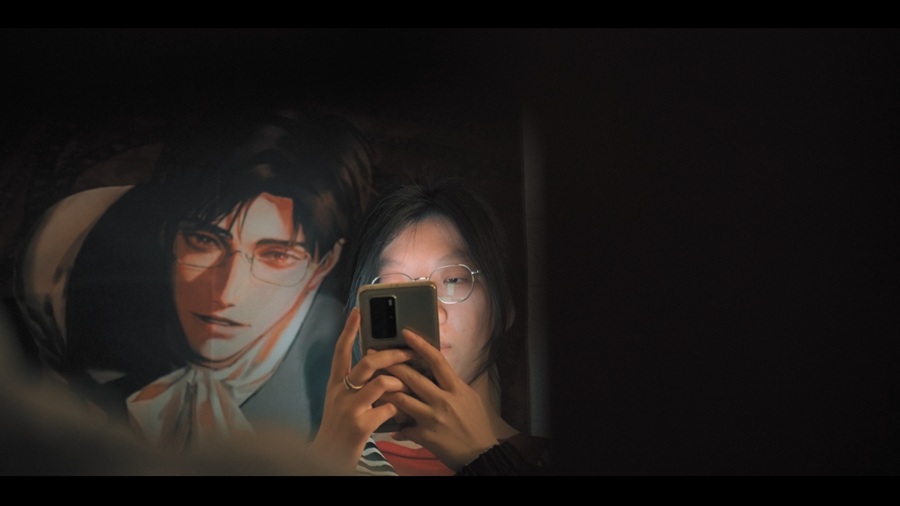
在新片《Replica》(复制恋人)中,导演梁丑娃以细腻的镜头,呈现了三位中国女性与人工智能男友之间的情感故事。影片不仅触及了代际差异与女性主义的困惑,也揭示了人类在数字时代的自我探索。
Replica not only touches on generational differences and feminist dilemmas but also reveals humanity’s self-exploration in the digital age.
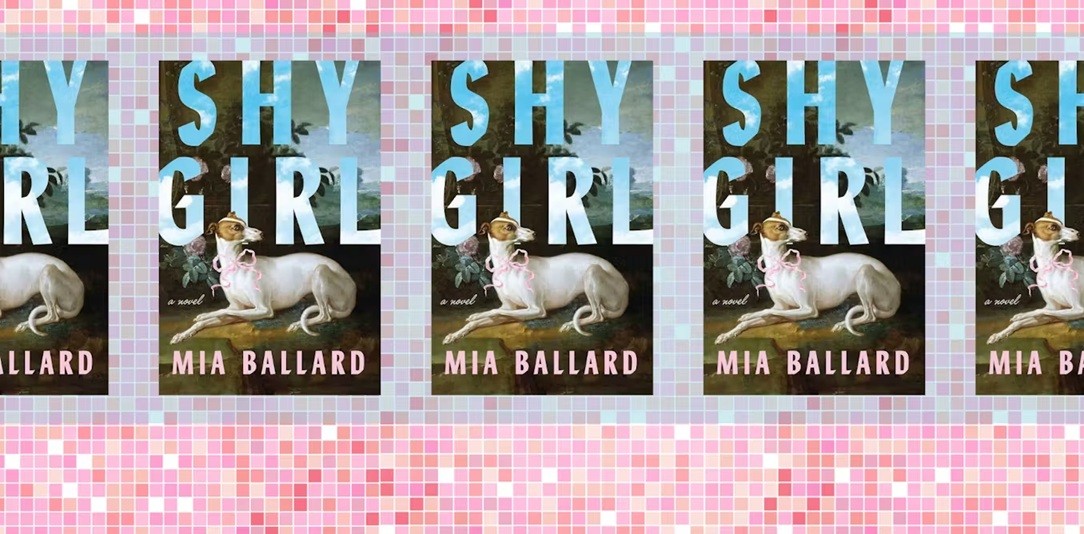
Author Ballard has denied personally using AI to write the novel, but says a contractor incorporated AI tools on a self-published version.

The poem juxtaposes elements such as AI, tariffs, and oil prices with the ephemeral presence of the cherry blossom.
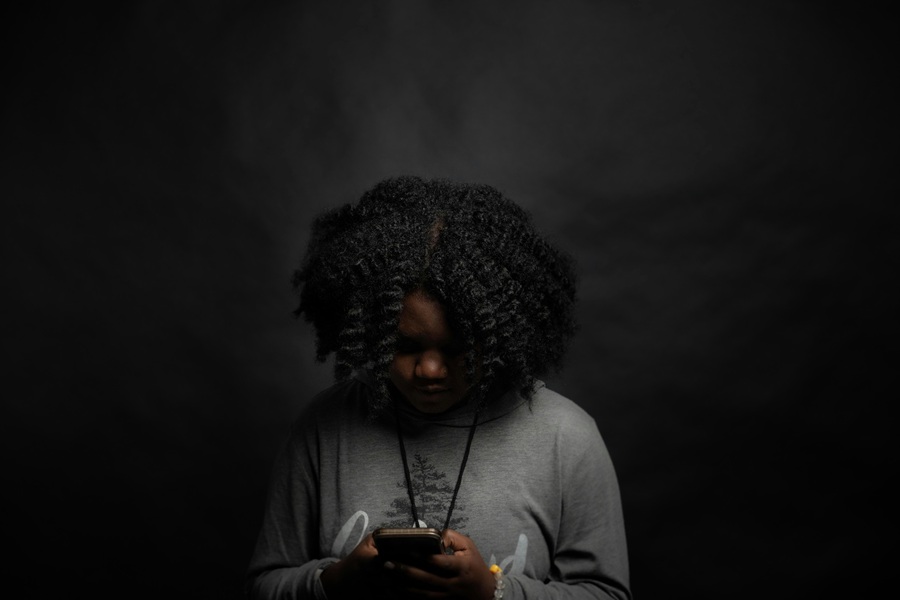
Thanks to algorithmic systems, AI narratives that tap into deep-seated fears and anxieties travel farther and faster than ever before.
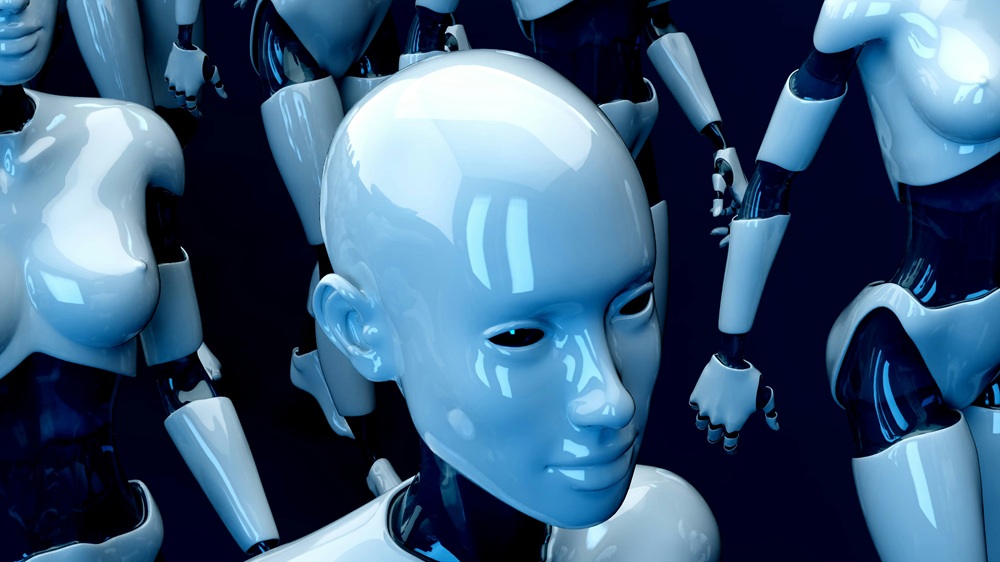
It has become increasingly difficult to tell whether something was written by a person or AI.

Researchers within the Creative Labour Critical Futures project are tracking media responses to AI use across the film industry.

