
The Frontliners emerges from Zahida Rahemtulla’s experience helping refugees in a housing crisis
The playwright says that The Frontliners is about three settlement workers who are stationed at the Hotel Splendid in 2016.

The playwright says that The Frontliners is about three settlement workers who are stationed at the Hotel Splendid in 2016.

剧作家 Zahida Rahemtulla 深知在房价高涨的城市中,为难民找寻住所是多么艰钜的任务。在 2016 年,加拿大政府于 14 个月内重新安置 44,000 名叙利亚难民时,她当时就在温哥华从事相关工作。

劇作家 Zahida Rahemtulla 深知在房價高漲的城市中,為難民找尋住所是多麼艱鉅的任務。在 2016 年,加拿大政府於 14 個月內重新安置 44,000 名敘利亞難民時,她當時就在溫哥華從事相關工作。
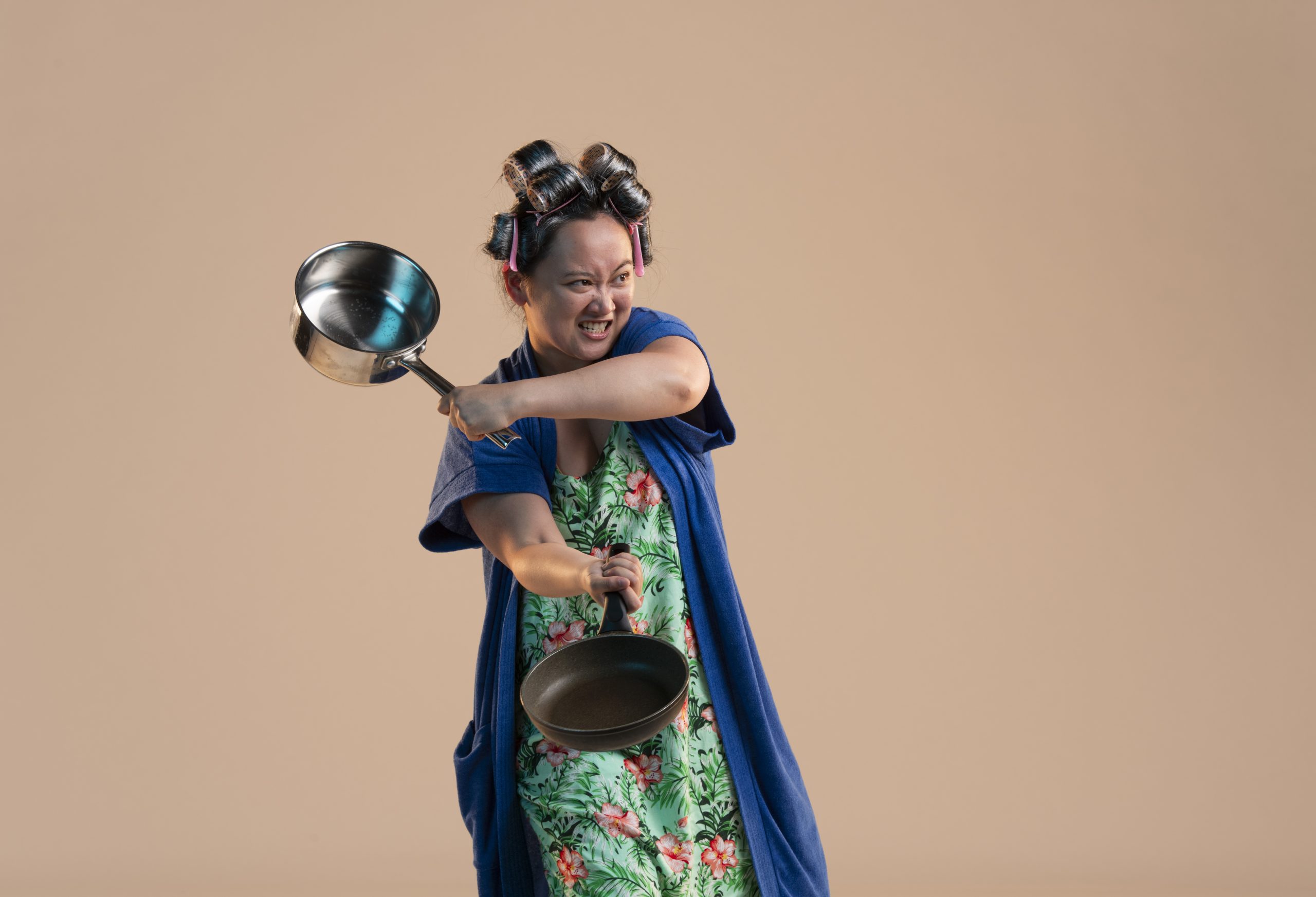
In a play that riffs on Pinoy cultural references, Padilla plays a butt-kicking Filipina granny who has experienced a lot in her life.
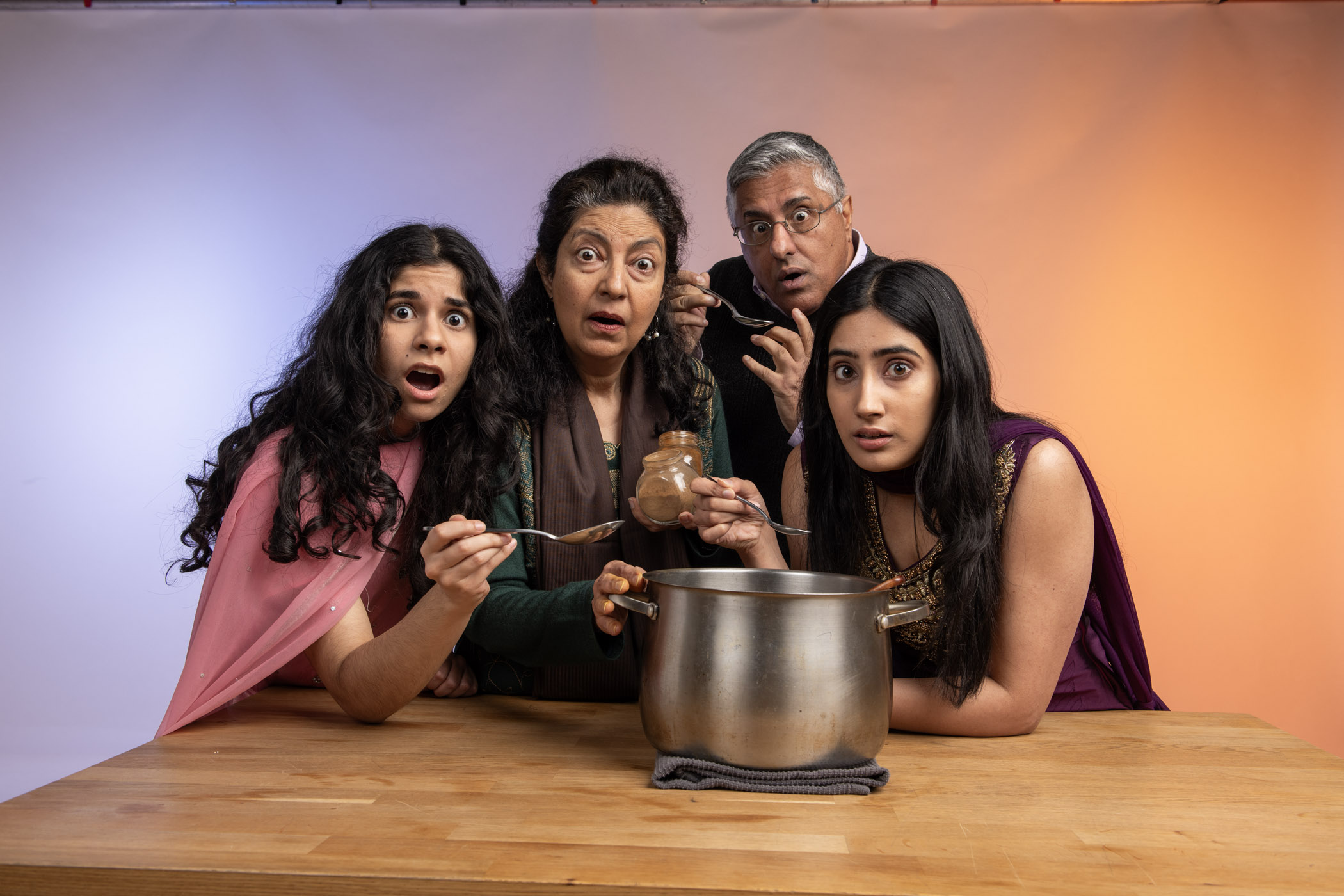
Lee Nisar 希望戏剧爱好者能在舞台上体验到酷儿穆斯林的喜悦之美。但当这位25岁的多伦多剧作家撰写《Dil Ka》的初稿时——这出戏将在北温哥华的 Presentation House Theatre 首演——它并没有种族成分。

Lee Nisar 希望戲劇愛好者能在舞台上體驗到酷兒穆斯林的喜悅之美。但當這位25歲的多倫多劇作家撰寫《Dil Ka》的初稿時——這齣戲將在北溫哥華的 Presentation House Theatre 首演——它並沒有種族成分。

Dil Ka, which means “of the heart”, will have its world premiere at Presentation House Theatre in North Vancouver.


The Society of We Are Canadians Too created Pancouver to foster greater appreciation for underrepresented artistic communities. A rising tide of understanding lifts all of us.
This project is funded in part by the Government of Canada.
We would like to acknowledge that we are gathered on the traditional and unceded territories of the Coast Salish peoples of the xʷməθkwəy̓əm (Musqueam Indian Band), Skwxwú7mesh (Squamish Nation), and Səl̓ílwətaɬ (Tsleil-Waututh Nation). With this acknowledgement, we thank the Indigenous peoples who still live on and care for this land.
This project is funded in part by the Government of Canada.
The Society of We Are Canadians Too created Pancouver to foster greater appreciation for underrepresented artistic communities. A rising tide of understanding lifts all of us.
We would like to acknowledge that we are gathered on the traditional and unceded territories of the Coast Salish peoples of the xʷməθkwəy̓əm (Musqueam), Skwxwú7mesh (Squamish), and Səl̓ílwətaɬ (Tsleil-Waututh) Nations. With this acknowledgement, we thank the Indigenous peoples who still live on and care for this land.
Independent arts journalism needs readers like you!
If you value stories like this, please consider supporting Pancouver.