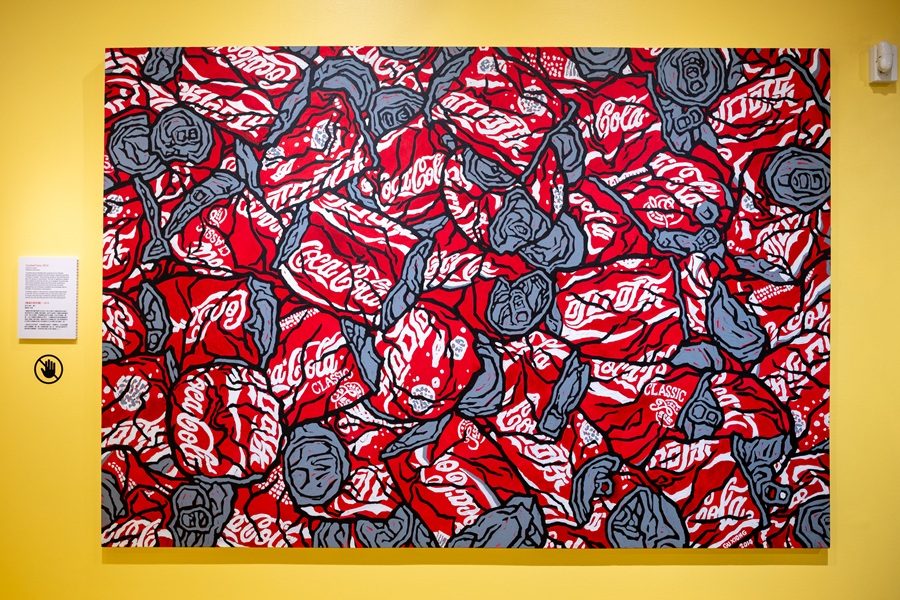
From Crushed Cans to new beginnings: Gu Xiong’s journey of migration, identity, and belonging
In Part 2 of our series his Museum of Vancouver exhibition, Gu explains why crushed cola cans are a metaphor for his life in Canada.

In Part 2 of our series his Museum of Vancouver exhibition, Gu explains why crushed cola cans are a metaphor for his life in Canada.

The protection and promotion of the French language and Canadian culture in all its forms remain an existential issue for the nation-state.

In the first article in a two-part series, Gu explains how art saved him after he was sent to the countryside during the Cultural Revolution.
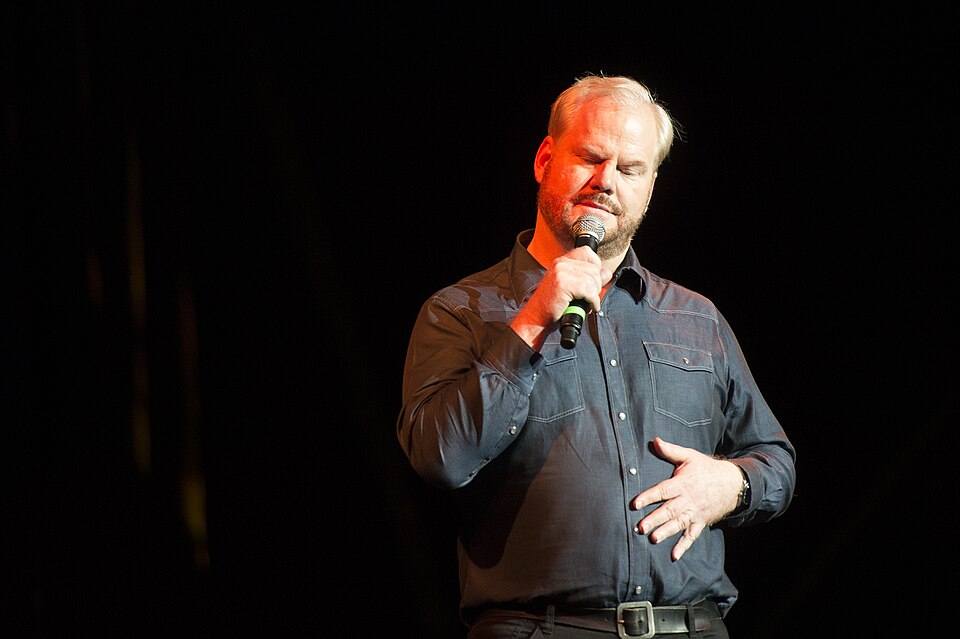
Gaffigan owns a bourbon company in Kentucky, but he didn’t joke about how provinces have banned U.S. liquor in response to Trump’s tariffs.
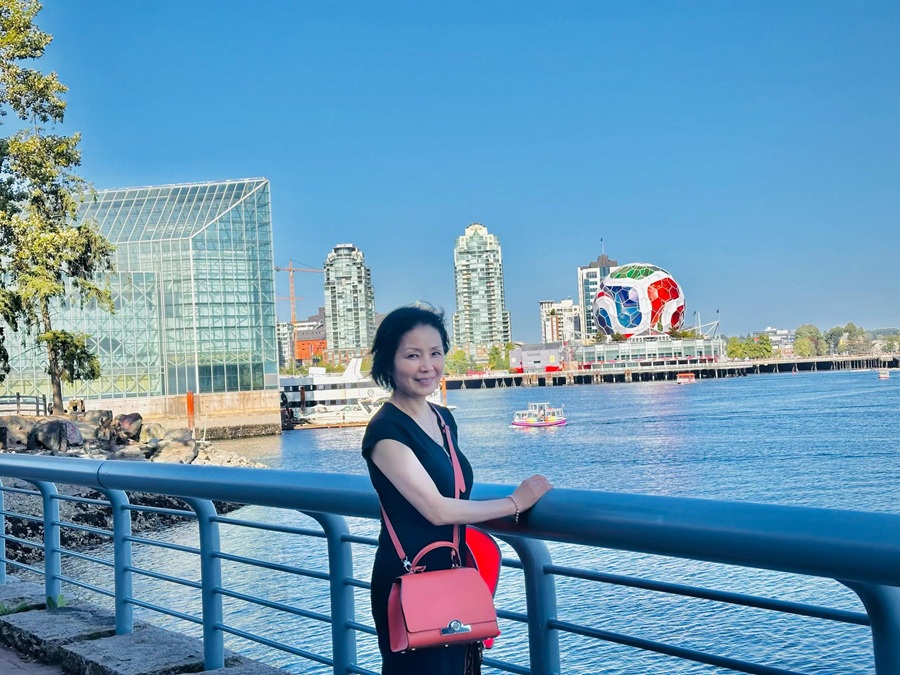
Set against Canada’s rise in world soccer, Xinman’s poem situates the game within a broader cultural threshold.
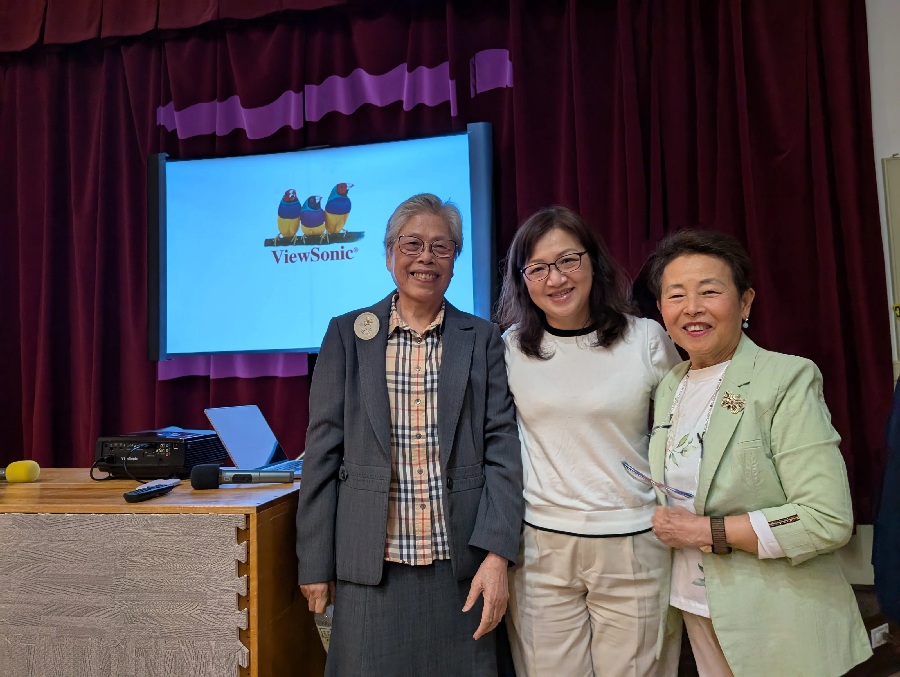
來自台灣的博物館館長近日於 Kerrisdale Presbyterian Church 發表演講,並引用知名藝術史學家 Peter Vergo 的觀點,說明博物館存在的真正價值。
来自台湾的博物馆馆长近日于 Kerrisdale Presbyterian Church 发表演讲,并引用知名艺术史学家 Peter Vergo 的观点,说明博物馆存在的真正价值。
Ya-Li Chen also highlighted Canadian connections to this history in a one-hour presentation at Kerrisdale Presbyterian Church.
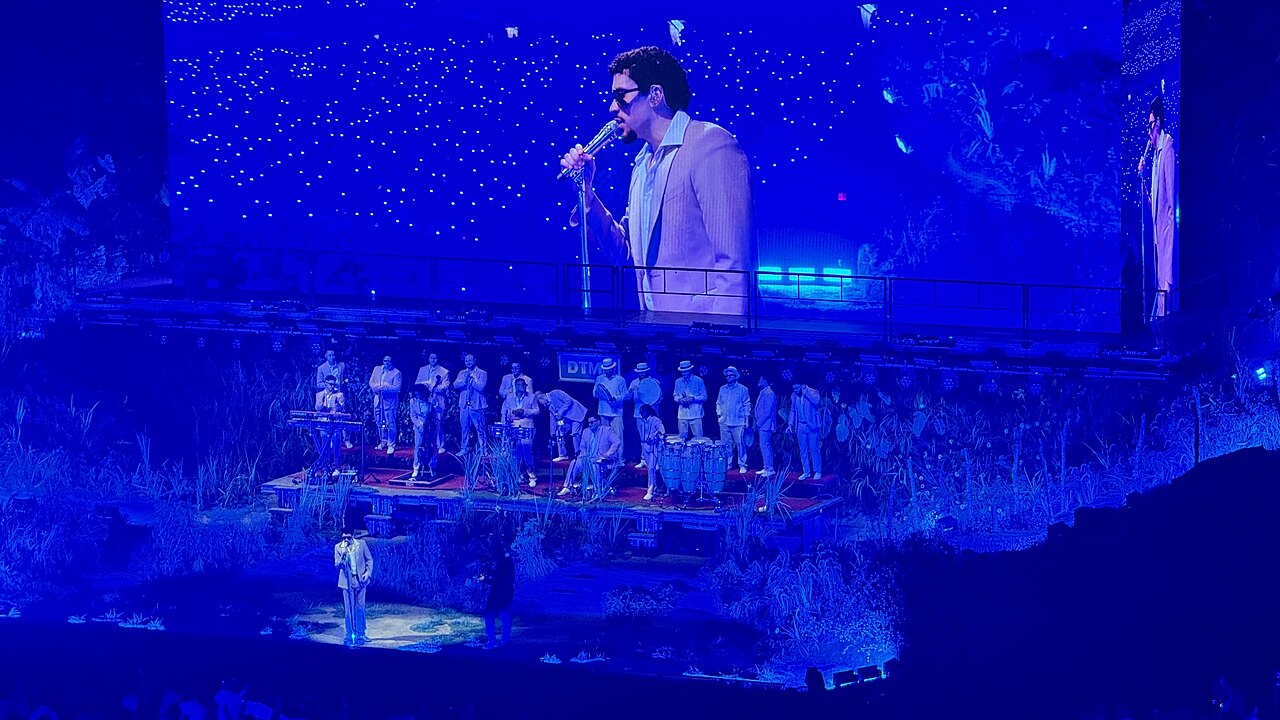
Weeks later, a single word from the Super Bowl half-time show continues to reverberate across social media: “Canadá”.

Cultural policy must protect equity-driven practices and embed care, accountability, and relationality as foundational principles.

