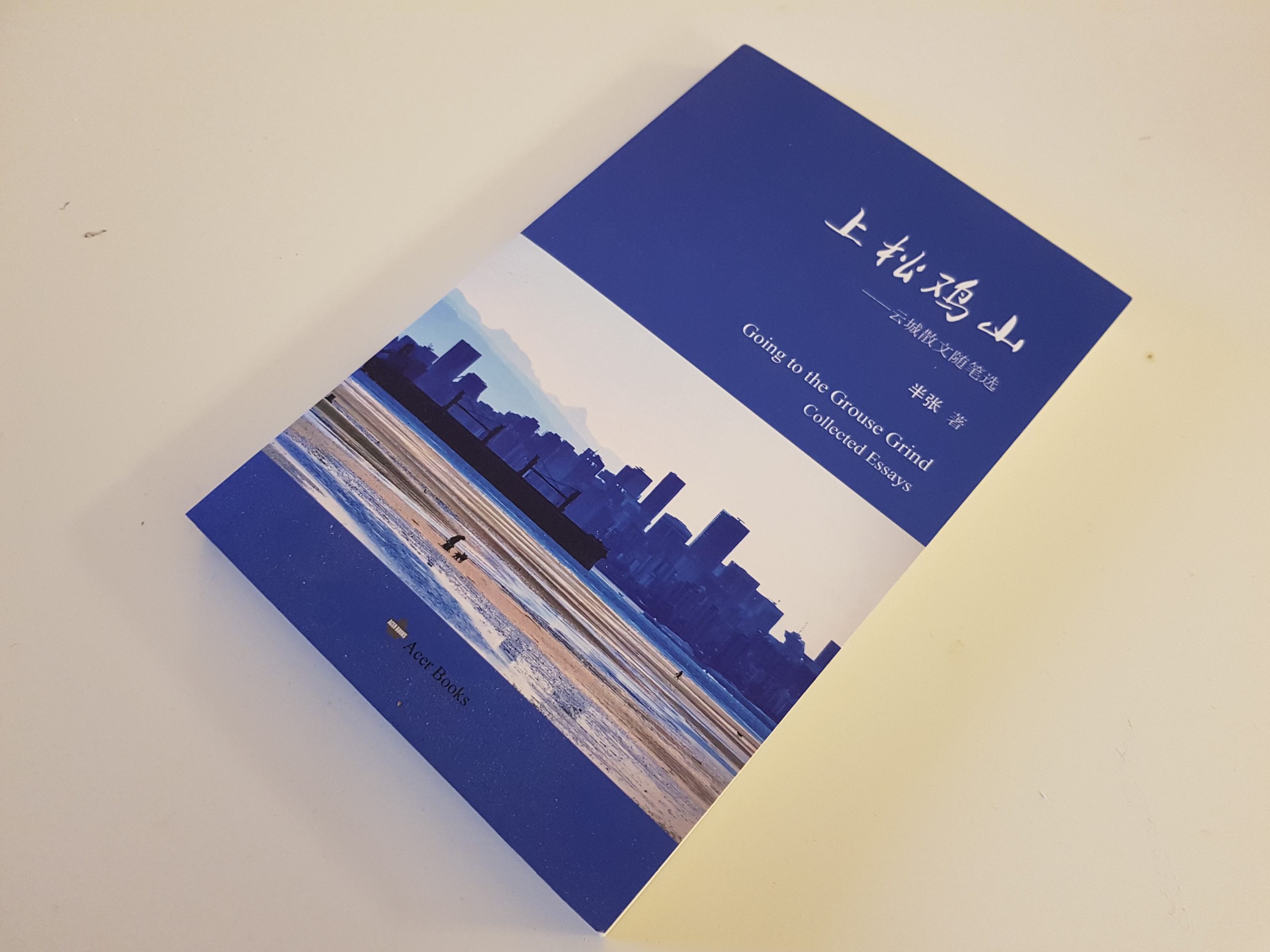
作者半張在《上松雞山——雲城散文隨筆選》中將移民生活比作攀登高山
溫哥華作家半張出生於上海,在溫哥華生活了近 25 年。自移民以來,他積極參與志願服務,幫助其他中國移民適應加拿大的生活。此外,半張還為《Voices & Bridges》,《Pancouver》和《Georgia Straight》等刊物撰寫文章。

溫哥華作家半張出生於上海,在溫哥華生活了近 25 年。自移民以來,他積極參與志願服務,幫助其他中國移民適應加拿大的生活。此外,半張還為《Voices & Bridges》,《Pancouver》和《Georgia Straight》等刊物撰寫文章。
温哥华作家半张出生于上海,在温哥华生活了近 25 年。自移民以来,他积极参与志愿服务,帮助其他中国移民适应加拿大的生活。此外,半张还为《Voices & Bridges》,《Pancouver》和《Georgia Straight》等刊物撰写文章。
Zhang has written the first edition of his book in Chinese, but added its English-language title on the cover.

温哥华艺术家袁慧娴 (Marlene Yuen) 形容自己是一位说故事的人。这位英属哥伦比亚大学的毕业生经常透过结合文本与图像,利用漫画、版画和书籍来呈现加拿大华人的历史。
Yuen created her large work after researching the history of the fabled Steveston store, which was launched in 1895 by entrepreneur Ling Lam.
溫哥華藝術家袁慧嫻 (Marlene Yuen) 形容自己是一位說故事的人。這位英屬哥倫比亞大學的畢業生經常透過結合文字與圖像,利用漫畫、版畫和書籍來呈現加拿大華人的歷史。

While researching her PhD at UBC, Fong gained deep insights into how Chinese Canadian history is represented in museums.
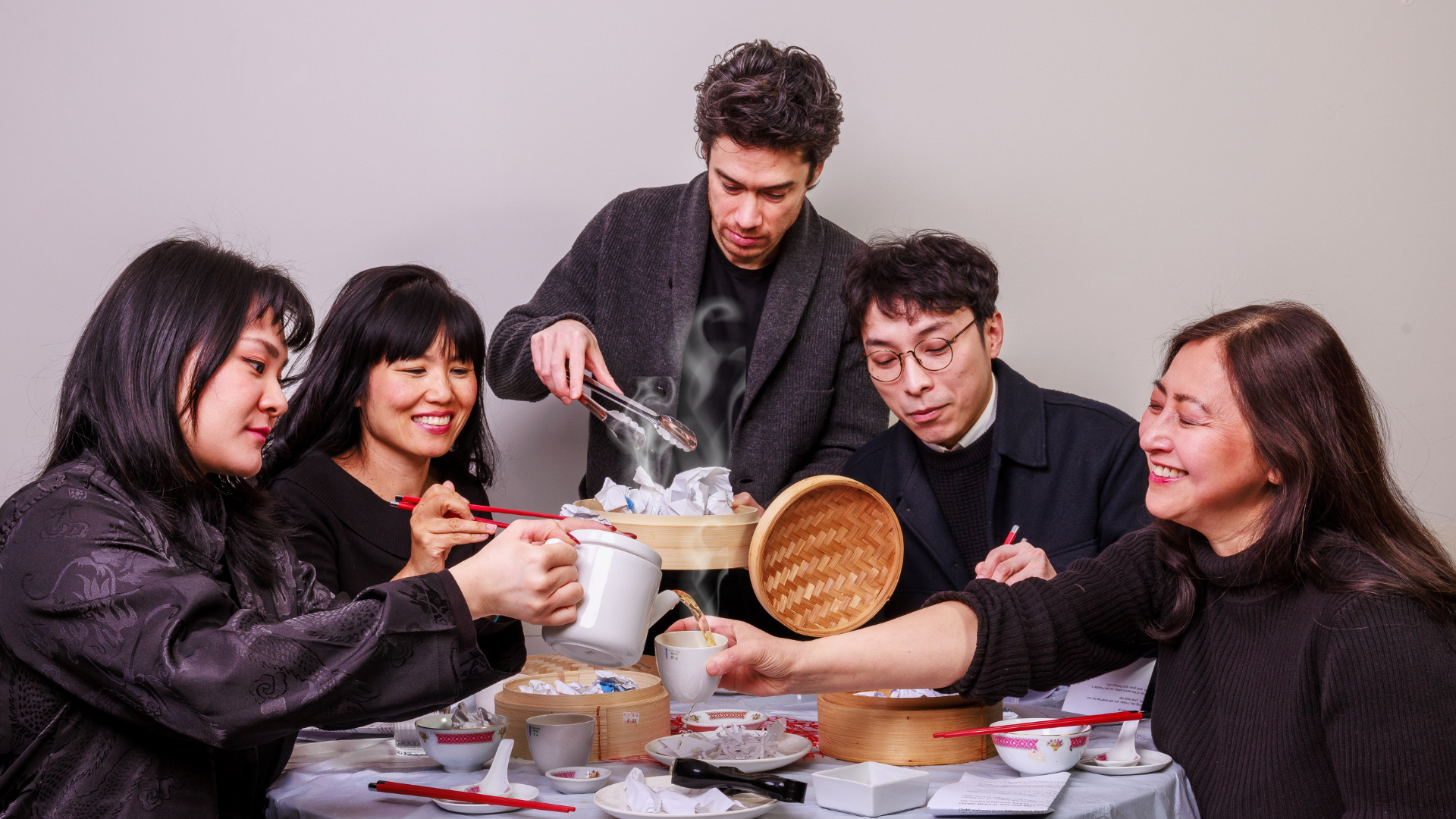
The world premiere workshop of Dim Sum Diaries: Second Helping will be at the Nest from March 27 to March 30.
Damon Bradley Jang表示,在 Stratford Festival(史特拉福剧团)的两年时间里,他学到了很多关于公平,多元化和包容性的知识。 此前,这位受过卡皮拉诺大学训练的戏剧艺术家成为该剧团伯明罕音乐学院第一位有色人种男导演。
Damon Bradley Jang表示,在 Stratford Festival(史特拉福劇團)的兩年時間裡,他學到了很多關於公平,多元化和包容性的知識。 此前,這位受過卡皮拉諾大學訓練的戲劇藝術家成為該劇團伯明罕音樂學院第一位有色人種男導演。

