David Suzuki: German scientists issue stark climate warning
According to these scientists, the planet could heat by as much as 3 C over pre-industrial levels by 2050.

According to these scientists, the planet could heat by as much as 3 C over pre-industrial levels by 2050.

He says that we can’t hope to resolve the serious crises we face unless we change the economic approach that got us into the mess.
Most carbon is stored in rocks, oceans, the atmosphere, plants, soil. and fossil fuels, but not all elected officials realize this.
International progress in reversing the loss of biodiversity will be reviewed at COP16 in Colombia later this month.

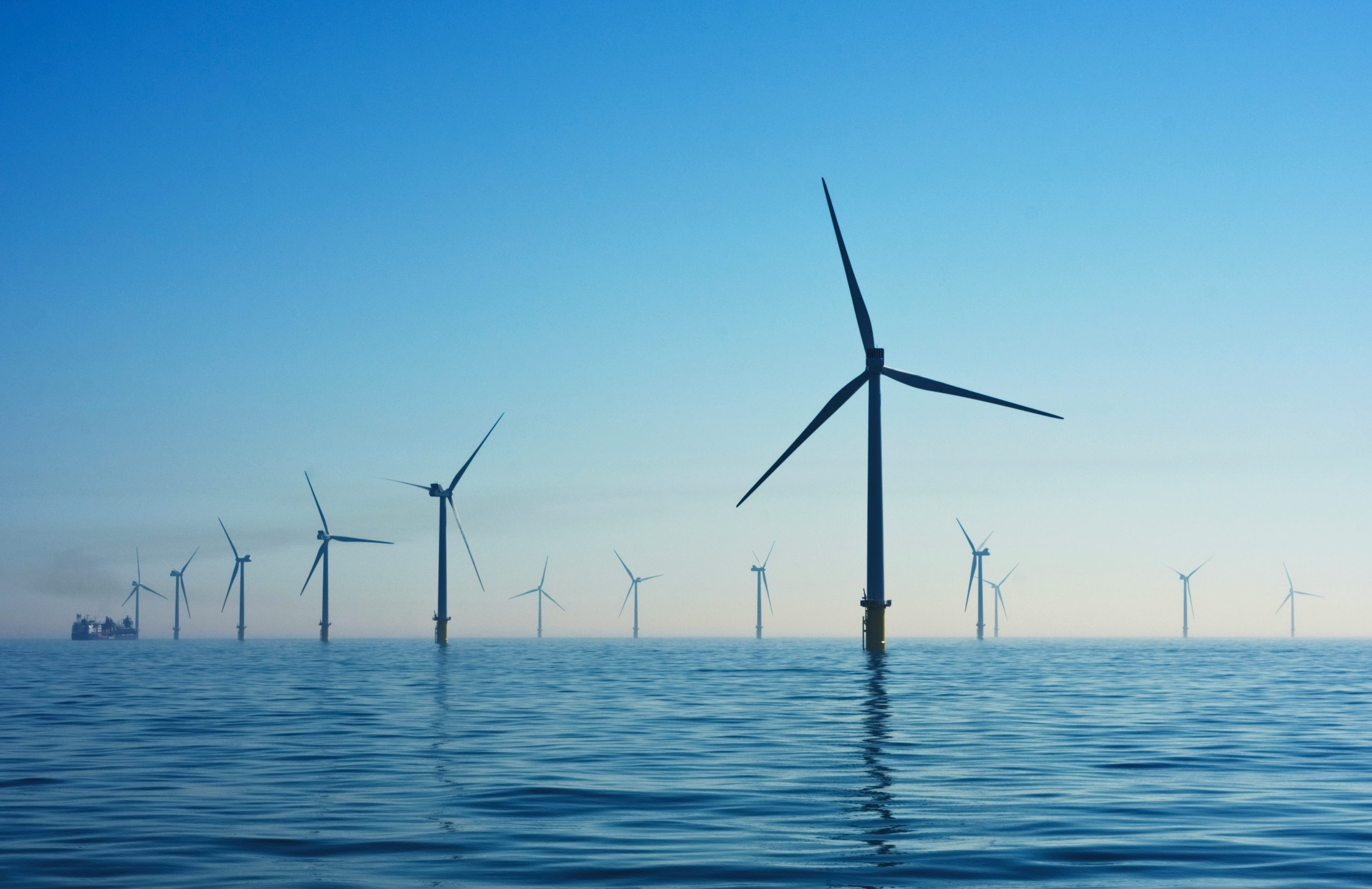
According to the International Energy Agency, achieving net zero emissions by 2050 will require a transformation of the energy system.

Environment Minister Shieu seeks equal access for Taiwanese people to the work of the United Nations Framework Convention on Climate Change.
Against a backdrop of global conflict, volatile fossil fuel markets, and extreme weather events, the IEA’s World Energy Outlook offers hope.

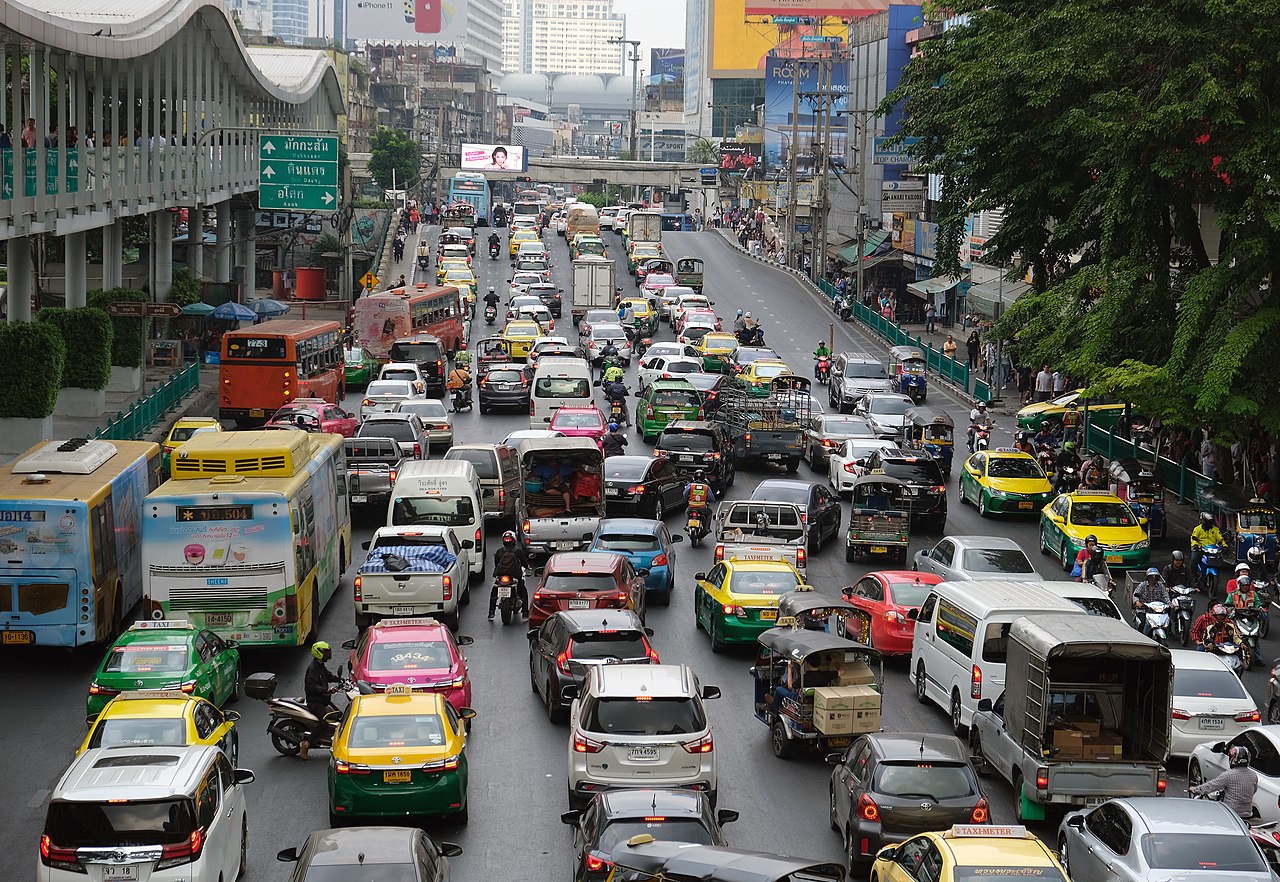
Mutually beneficial automobile and fossil fuel industries built their fortunes in a systemic way, according to rules of capitalism.

A massive wildfire hit the Peace River District hard this summer, which makes Chamale’s new play especially timely.

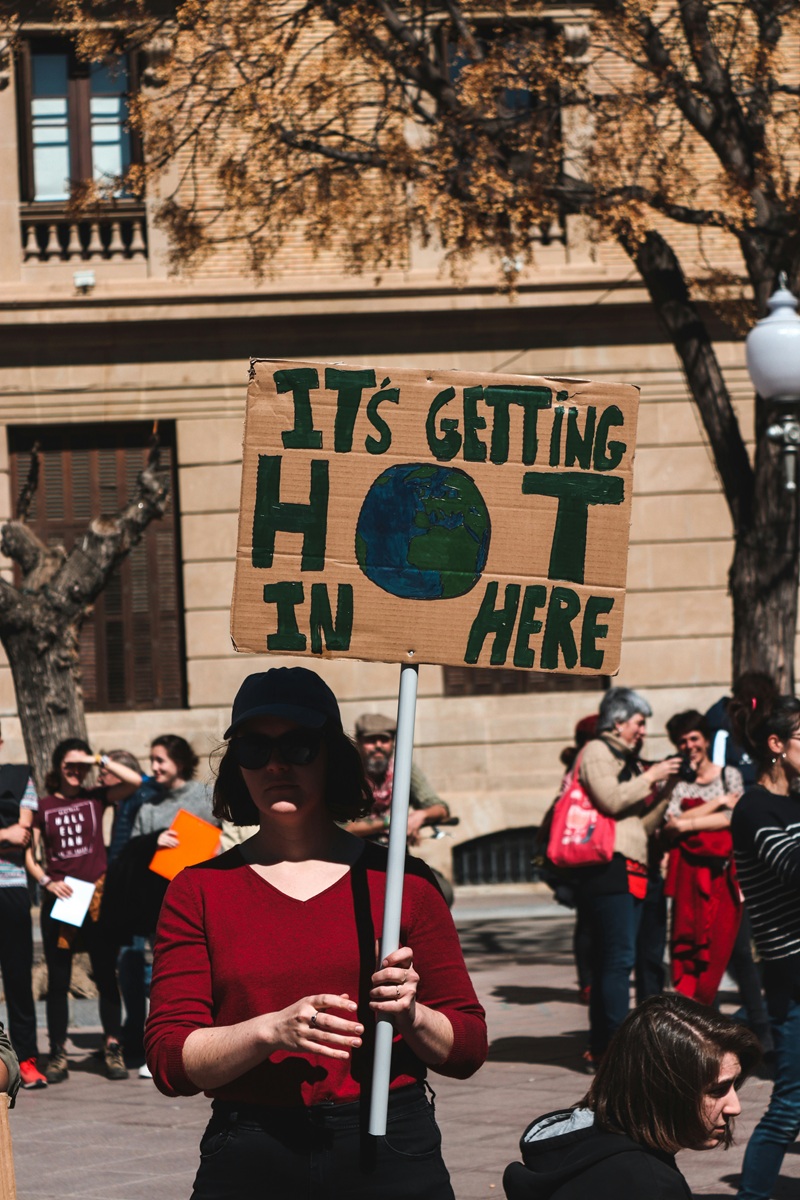
This month marks another round of global youth climate strikes. Young folks are demanding a “rapid, just, and equitable end to fossil fuels”.

