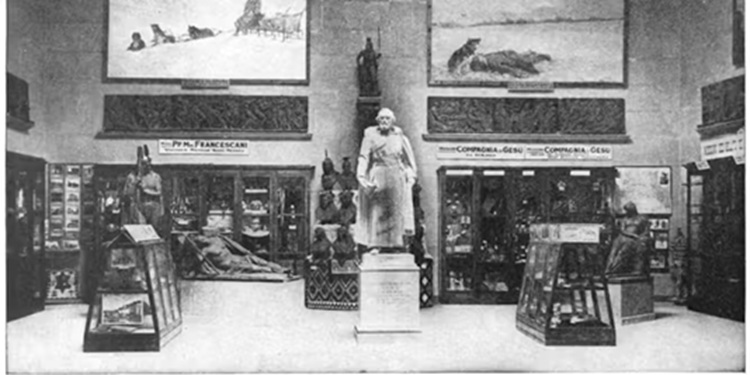
An art historian looks at the origins of the Indigenous arts collection at the Vatican Museums
Gloria Bell discovered that many missionaries described Indigenous belongings in the Vatican Museums as “trophies of the pope”.

Gloria Bell discovered that many missionaries described Indigenous belongings in the Vatican Museums as “trophies of the pope”.
We can’t solve climate change and biodiversity loss with the same thinking that created these crises.

The Tree of Authenticity offers a breathtaking exploration into the Democratic Republic of Congo’s colonial past under Belgian rule.

The Cultch and Urban Ink will present the world premiere of Homecoming at the Historic Theatre in East Vancouver from May 2 to 12.

Grassy Narrows offers a tragic example of the devastating effects of colonialism and environmental racism.

A UBC lecturer maintains that the most potent and painful relationship between Catan and our world today remains largely unexamined.

Influential city councillors and MLAs launched politicial careers as park commissioners, including B.C.’s attorney general, Niki Sharma.

Almeda, a UBC history grad with a minor in international relations, weaves observations of Filipino culture into funny scenes on-stage.

Suzuki urges people to look up and realize that with common sense, evidence, action, love, and compassion, we could continue to have it all.

Colonial fashion reflected racialized politics, according University of Alberta history, classics and religion professor Beverly Lemire.

