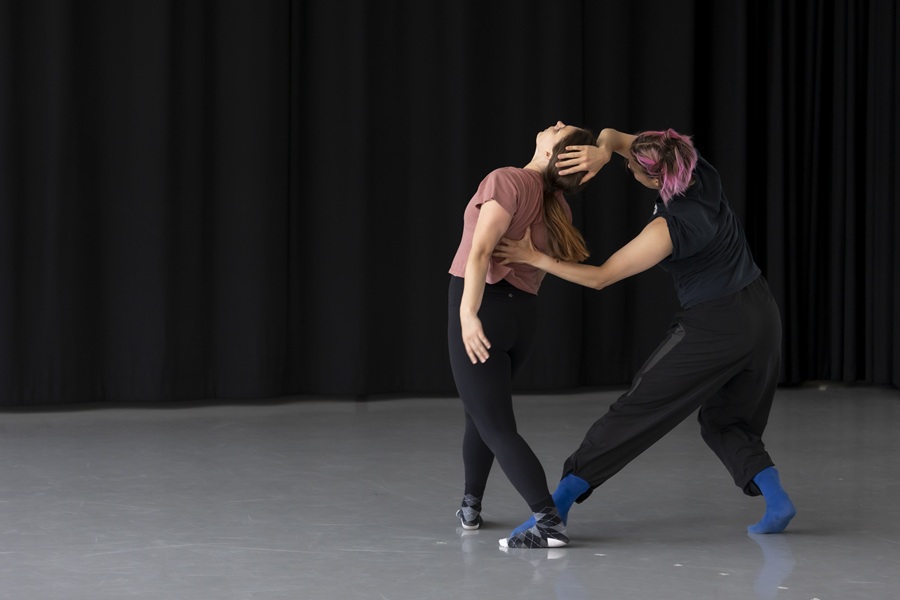
Eighty Years draws inspiration from Japanese Canadian family’s reconnection with antique piano
Choreographer Jennifer Toshiko Aoki and composer Cait Nishimura’s collaboration will be unveiled as a work-in-progress at Dancing on the Edge.

Choreographer Jennifer Toshiko Aoki and composer Cait Nishimura’s collaboration will be unveiled as a work-in-progress at Dancing on the Edge.

溫哥華編舞家李若麟 (Juolin Lee) 多年來一直思考如何將台灣的民間傳說《孟婆湯》改編成一齣當代表演舞作。根據佛教與道教傳說,亡者的靈魂會走過黃泉路,進入地府。
温哥华编舞家李若麟 (Juolin Lee) 多年来一直思考如何将台湾的民间传说《孟婆汤》改编成一出当代表演舞作。根据佛教与道教传说,亡者的灵魂会走过黄泉路,进入地府。当他们抵达奈何桥时,会遇见一位名为孟婆的女子。为了通过这座桥,每位亡灵都必须喝下一碗汤。
The Taiwanese-born choreographer will perform Soup of Forgetfulness at Dancing on the Edge in Vancouver.

菲律賓裔加拿大編舞家 Ralph Escamillan 意識到舞蹈是一種短暫的藝術形式。但它的短暫性通常不會反映在服裝上,服裝會根據檔期需求被反覆使用。因此,身為FakeKnot藝術總監的他決定創作《Croquis》這個獨舞作品,本作中的服裝與演出本身一樣短暫。
He will perform Croquis at the Firehall Arts Centre Courtyard on Tuesday (June 18) and Wednesday (June 19) as part of Dancing on the Edge.

编舞家黄碧琬注意到我们大多数人都忽略的事情。例如,这位多伦多当代舞蹈艺术家观察到,人类有一种与生俱来的能力,可以在公车上感知他人的情绪能量。在繁忙的地铁上,她看到人们会对他人的情绪能量做出什么动作或反应,如同被强光照射时。
編舞家黃碧琬注意到我們大多數人都忽略的事情。例如,這位多倫多當代舞蹈藝術家觀察到,人類有一種與生俱來的能力,可以在公車上感知他人的情緒能量。在繁忙的地鐵上,她看到人們會對他人的情緒能量做出什麼動作或反應,如同被強光照射時。
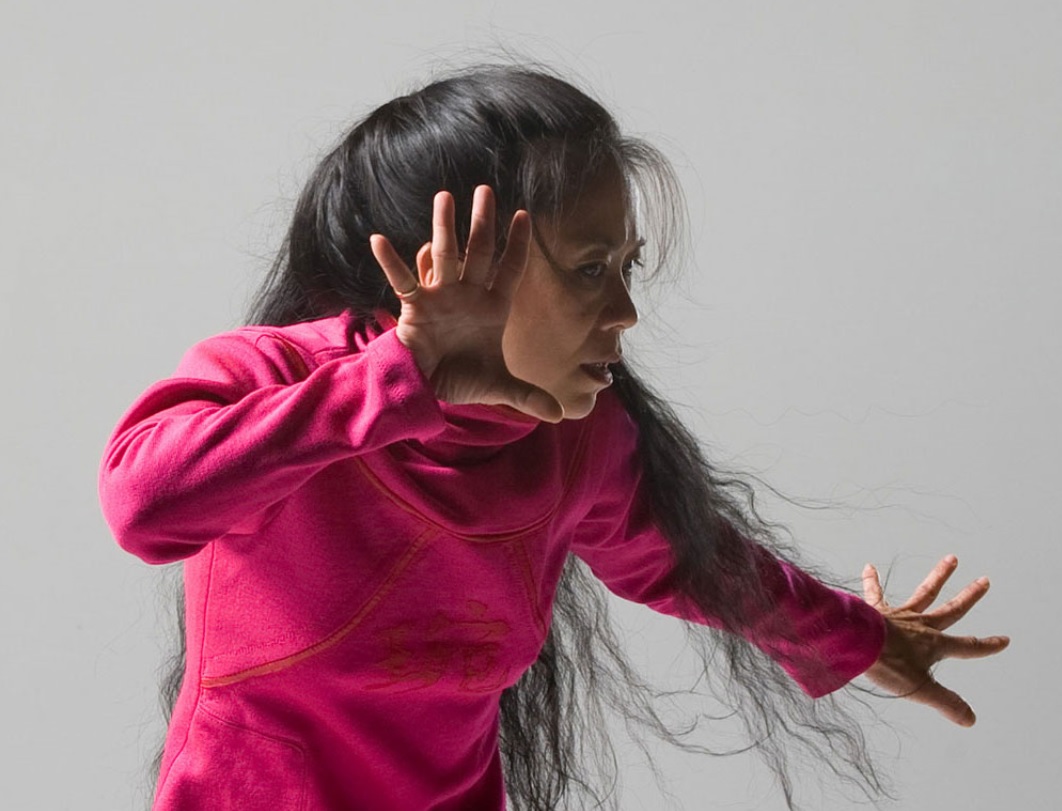
Ng is looking forward to two performances of her work at the Firehall Arts Centre as part of Dancing on the Edge.
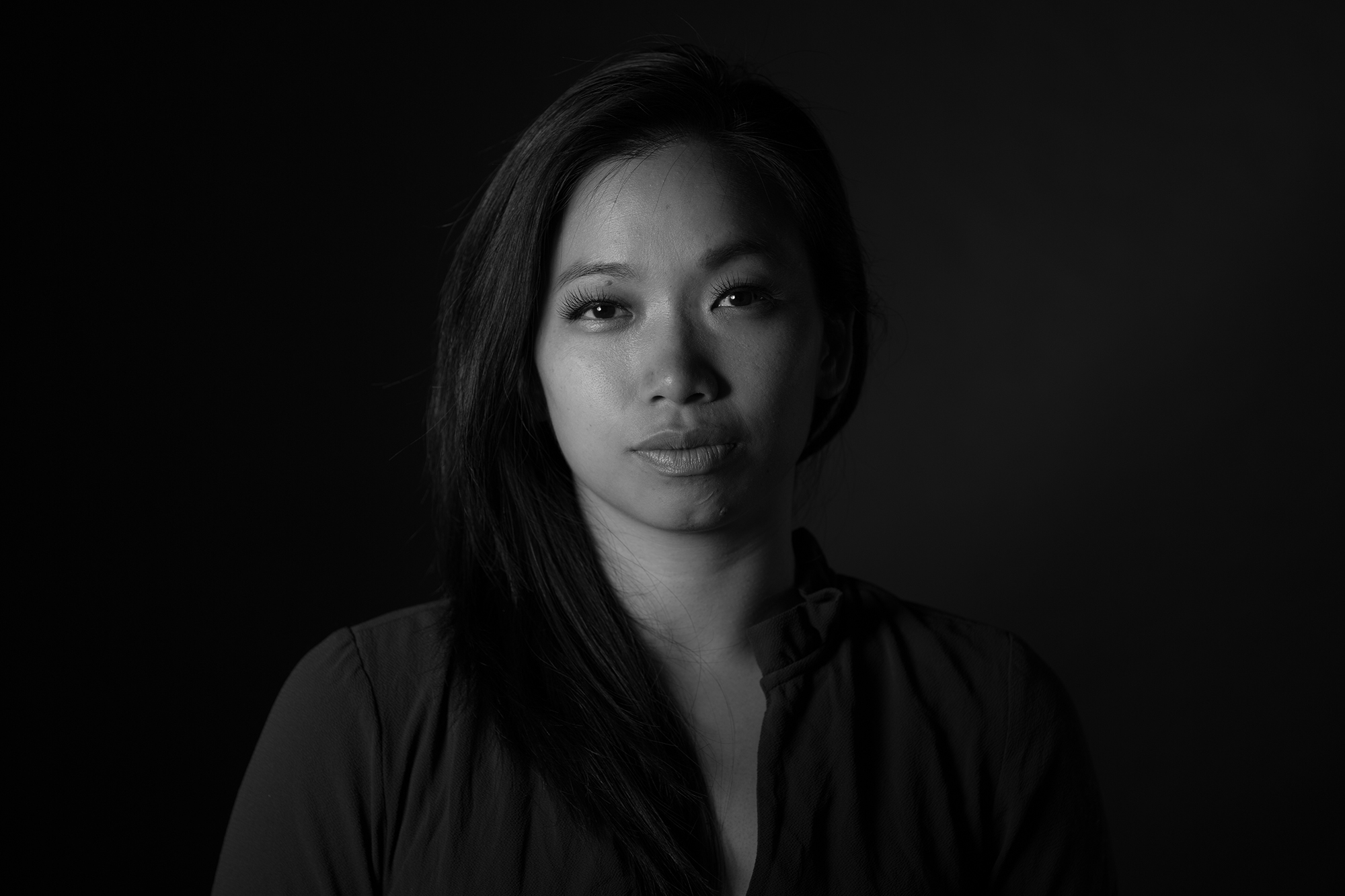
Liu says that her work as a movement artist is informed by growing up Asian on unceded Indigenous territory in northwestern B.C.

