
Author of Punjabi short fiction on Gaza children among finalists for Dhahan Prize
Established by Vancouver businessman Barj Dhahan in 2013, the Prize is given annually to those who write in Punjabi.

Established by Vancouver businessman Barj Dhahan in 2013, the Prize is given annually to those who write in Punjabi.
The main character asks why Partition has remained in the shadows of history, even though hundreds of thousands lost their lives.
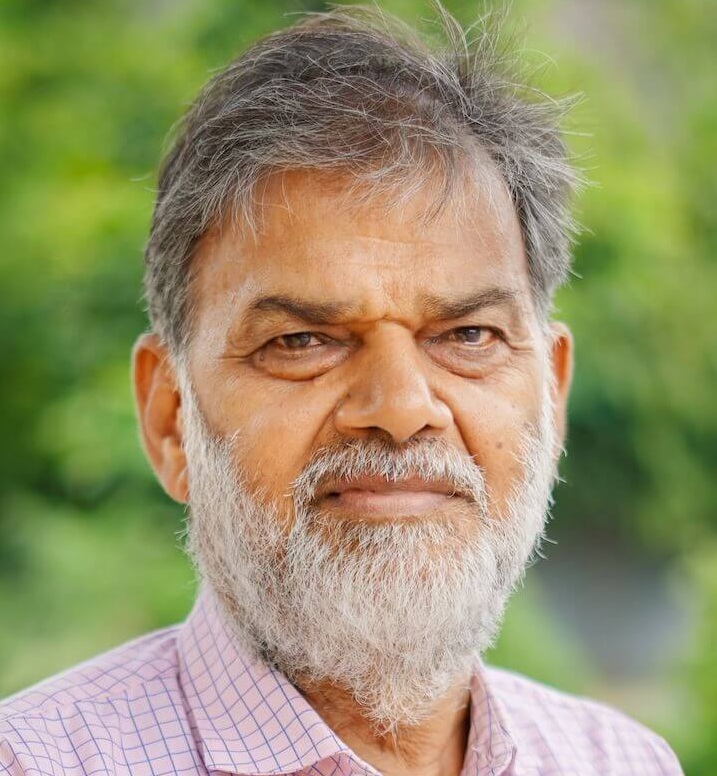
Balbir Parwana’s Punjabi novel, Rauleyan Vele (In the Time of Unrest), chronicles the lasting impact of the partition of Punjab.
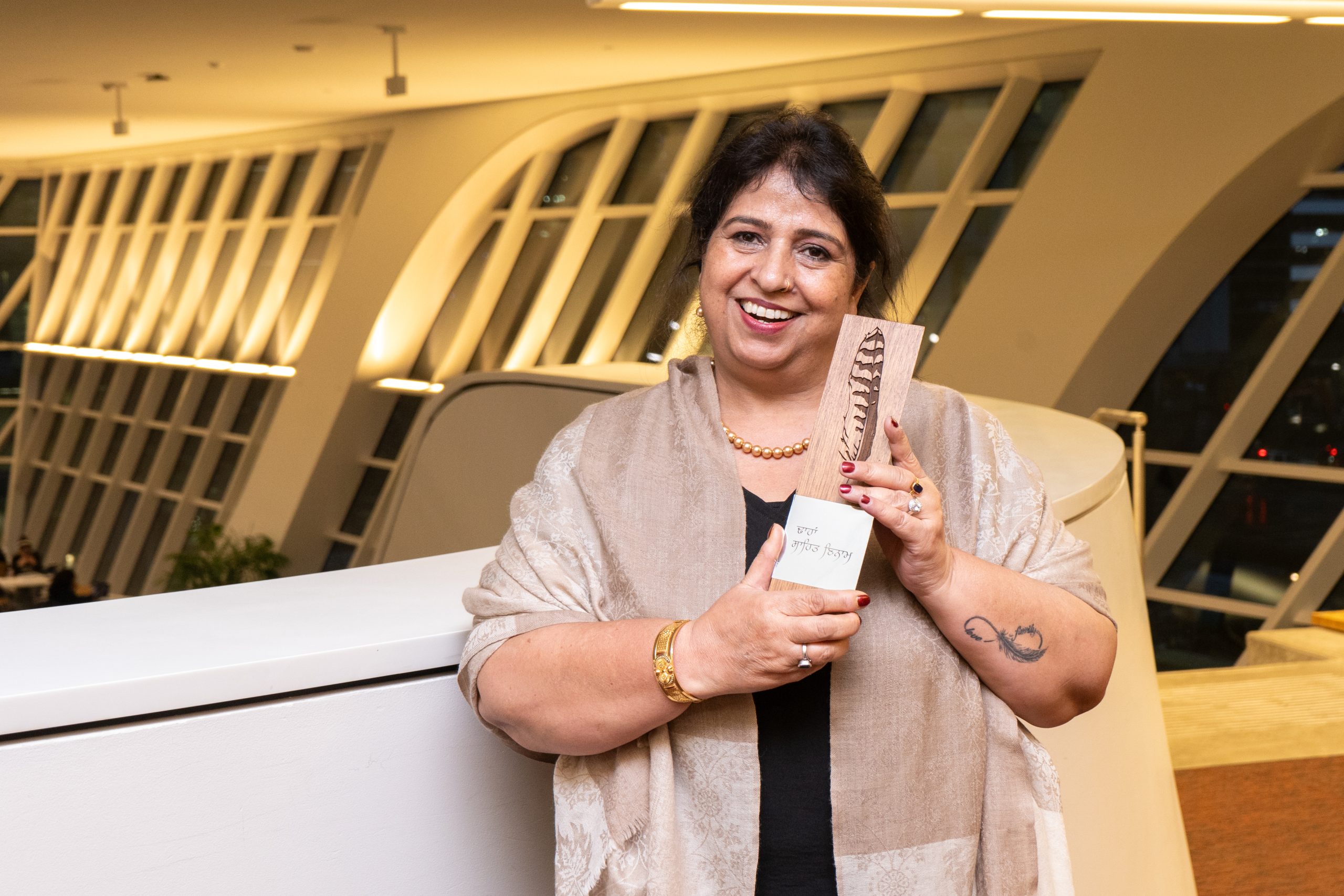
According to Neer, a longtime resident of Jammu and Kashmir, a taboo can be domestic, religious, or social.
印度作家 Surinder Neer 认为《Taboo(禁忌)》是她最新旁遮普短篇故事集的理想书名,因为她的国家每天都有许多人面对各种禁忌。「有家庭的禁忌;有宗教的禁忌;有社会的禁忌。」Neer 透过 Zoom 告诉 《Pancouver》,「而且这些禁忌无处不在。」
印度作家 Surinder Neer 認為《Taboo(禁忌)》是她最新旁遮普短篇故事集的理想書名,因為她的國家每天都有許多人面對各種禁忌。 「有家庭的禁忌;有宗教的禁忌;有社會的禁忌。」Neer 透過 Zoom 告訴 《Pancouver》,「而且這些禁忌無處不在。」
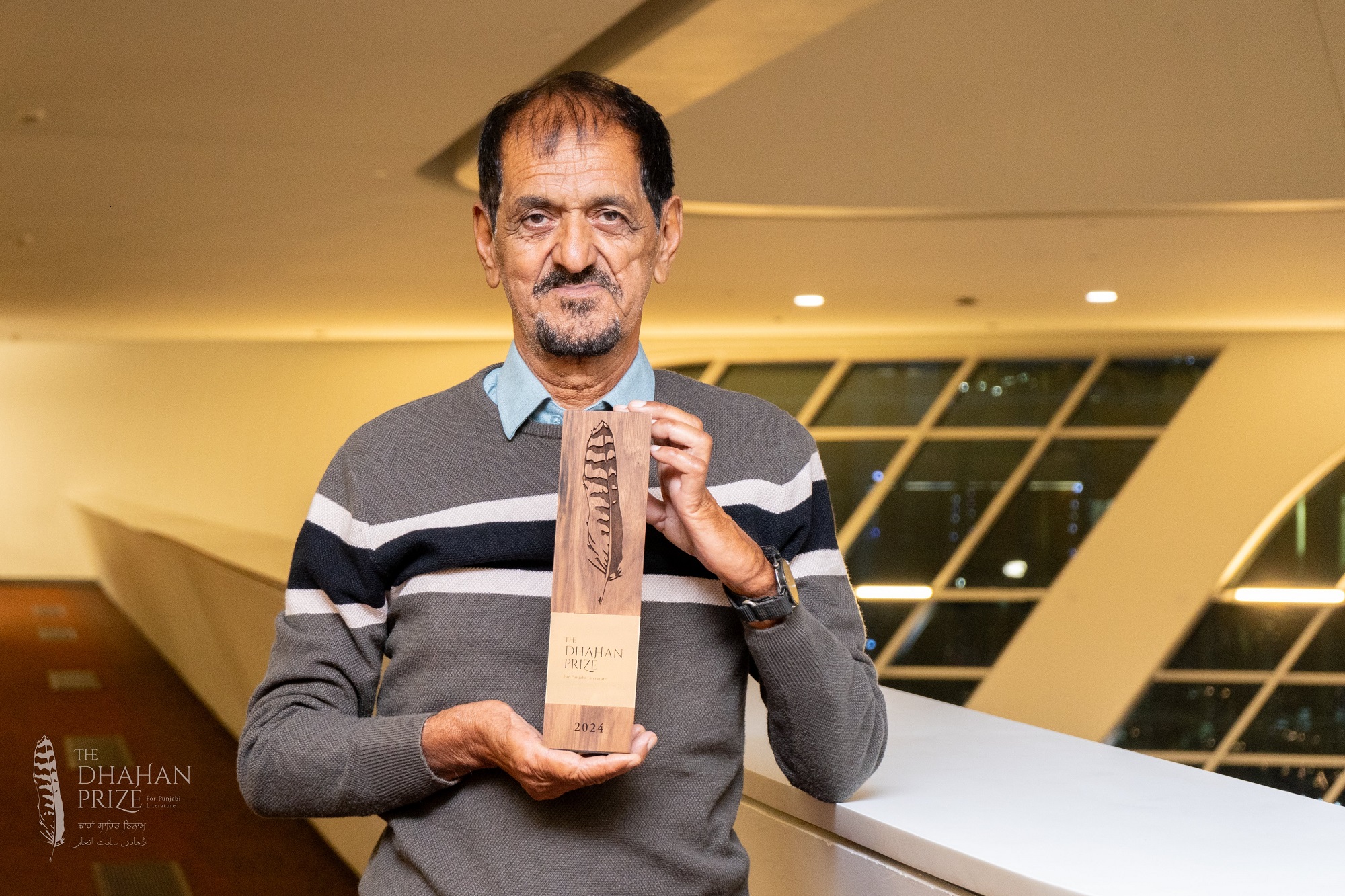
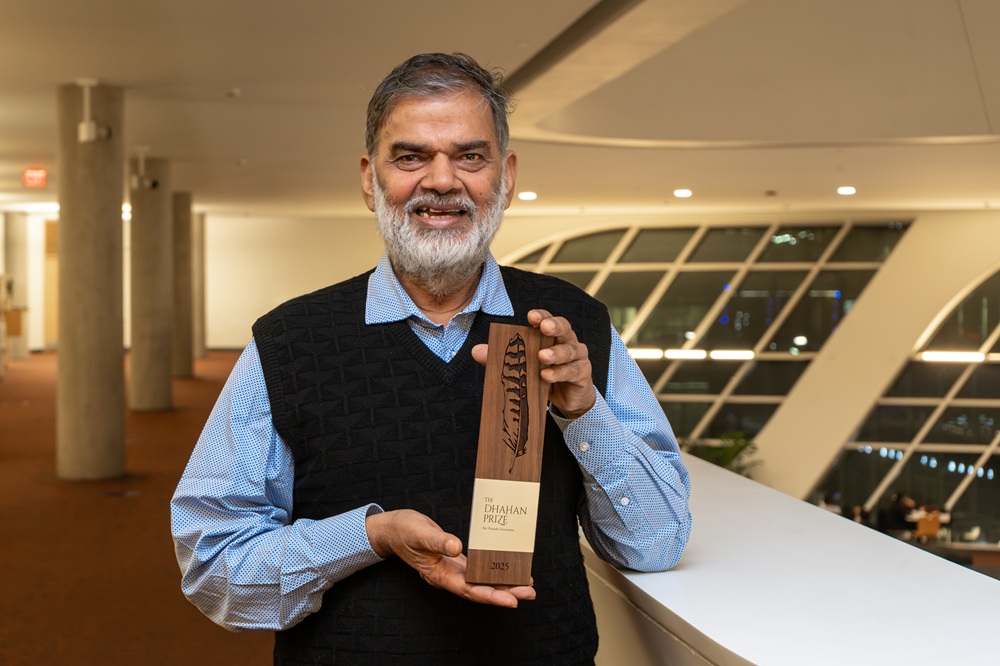
Jinder, a retired transportation department employee, has won the most lucrative Punjabi literary prize in the world.
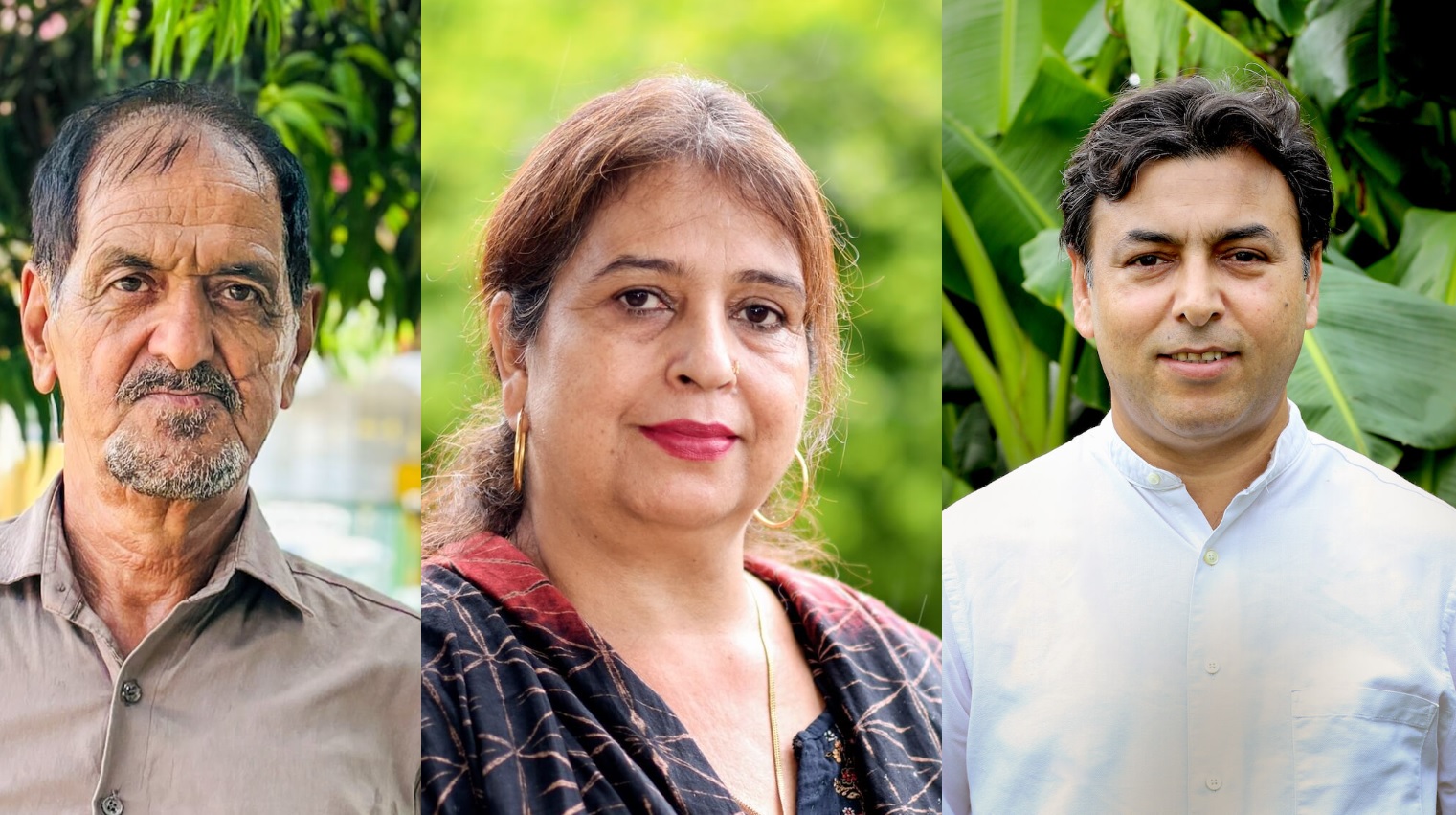
Short story writers Jinder, Surinder Neer, and Shahzad Aslam are in the running for this year’s Dhahan Prize for Punjabi Literature.

At a gala event in Surrey, Babuta won a $25,000 cash award; the two runners-up, Balijit and Ahmad Paul, each received $10,000 cash prizes.
ਪਹਿਲੀ ਵਾਰ ਕਿਸੇ ਔਰਤ ਨੇ ਪੰਜਾਬੀ ਸਾਹਿਤ ਲਈ 25,000 ਡਾਲਰ ਦਾ ਢਾਹਾਂ ਇਨਾਮ ਜਿੱਤਿਆ ਹੈ। ਦੀਪਤੀ ਬਬੂਟਾ ਨੂੰ ਵੀਰਵਾਰ (16 ਨਵੰਬਰ) ਨੂੰ ਉਸ ਦੇ ਕਹਾਣੀ ਸੰਗ੍ਰਹਿ, ਭੁੱਖ ਇਓਂ ਸਾਹ ਲੈਂਦੀ ਹੈ, ਲਈ ਪੁਰਸਕਾਰ ਮਿਲਿਆ।

