四處作「客」,以味為家:專訪印度客家餐廳 Indian Wok
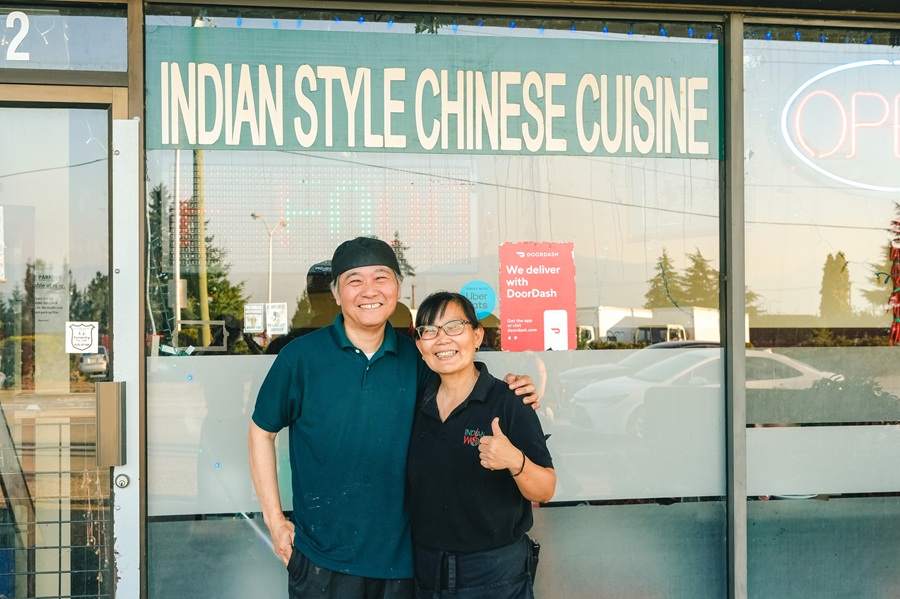
「這不是中菜,也不是印度菜,我們的料理介在兩者之間。」經過本拿比(Burnaby)的街邊,你很難不被一間店的店名吸引,叫做 Indian Wok。由 Ian 和太太 Sophia 經營,他們都是在印度出生長大的客家人。

「這不是中菜,也不是印度菜,我們的料理介在兩者之間。」經過本拿比(Burnaby)的街邊,你很難不被一間店的店名吸引,叫做 Indian Wok。由 Ian 和太太 Sophia 經營,他們都是在印度出生長大的客家人。
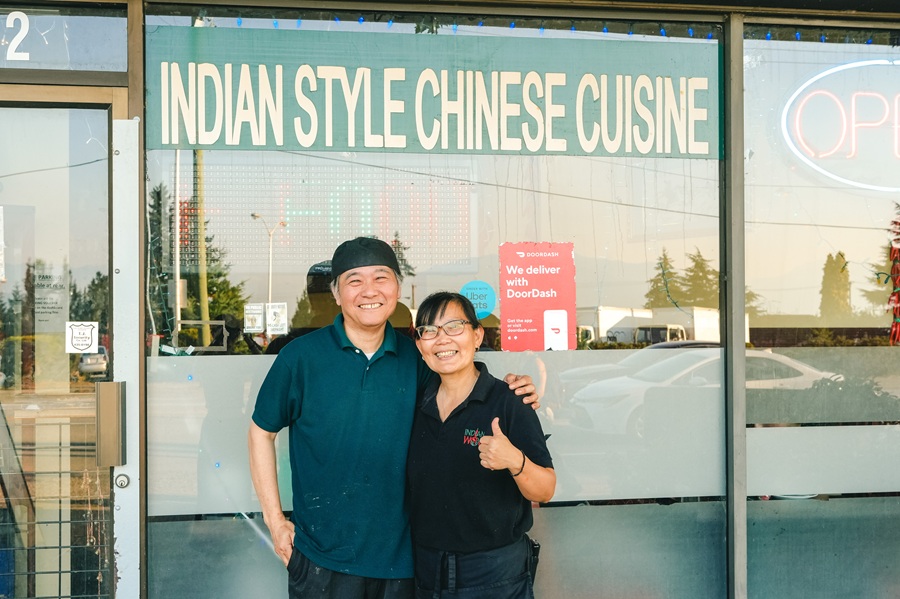
The restaurant’s best-known Indian Hakka dishes are Manchurian chicken, chili chicken, and Hakka chow mein.

ZiXuan brought a healing message to Vancouver through his music, which many Taiwanese immigrants in the audience could identify with.

Along with concerts and food workshops, the Hakka family drama Shape of Love will be screened for free at the Annex at noon on Saturday.

ZiXuan Huang says that the band’s name was inspired by the close connection between trains and the Hakka population of Taiwan.
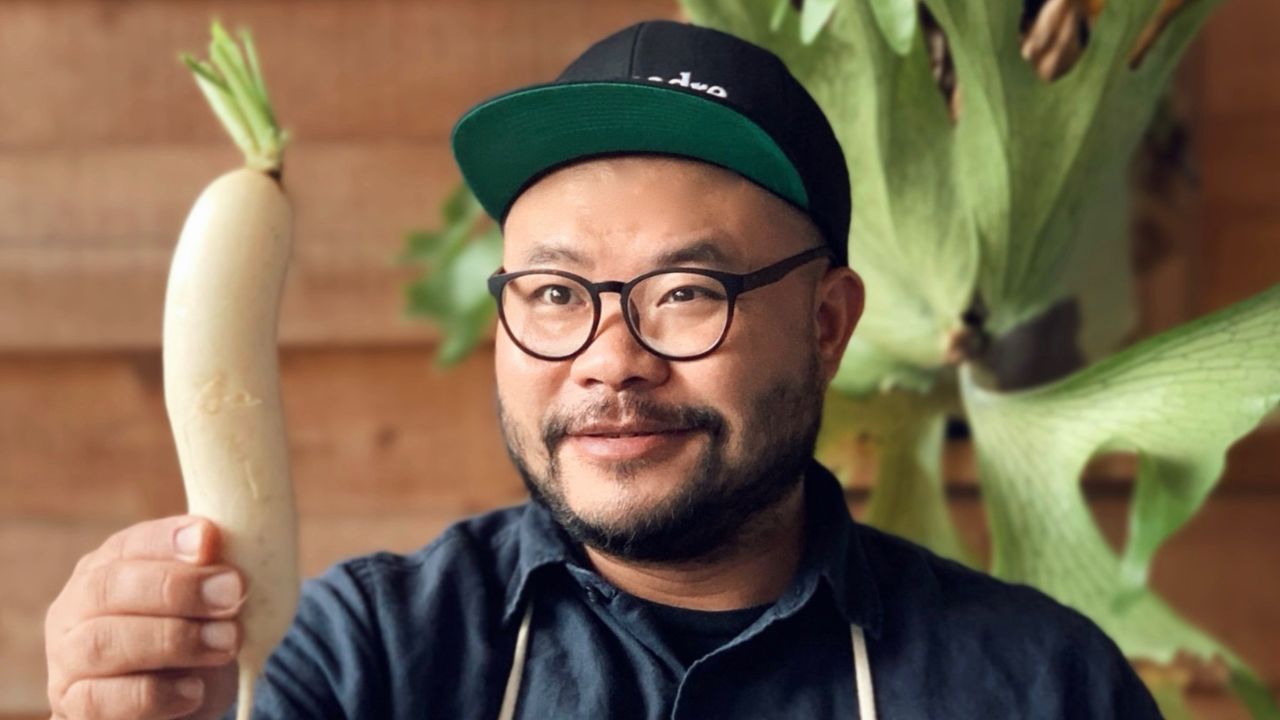
Liao pioneered farm-to-table, vegan Hakka cooking at his Michelin-recognized restaurant in the heart of Taiwan’s Silicon Valley equivalent.
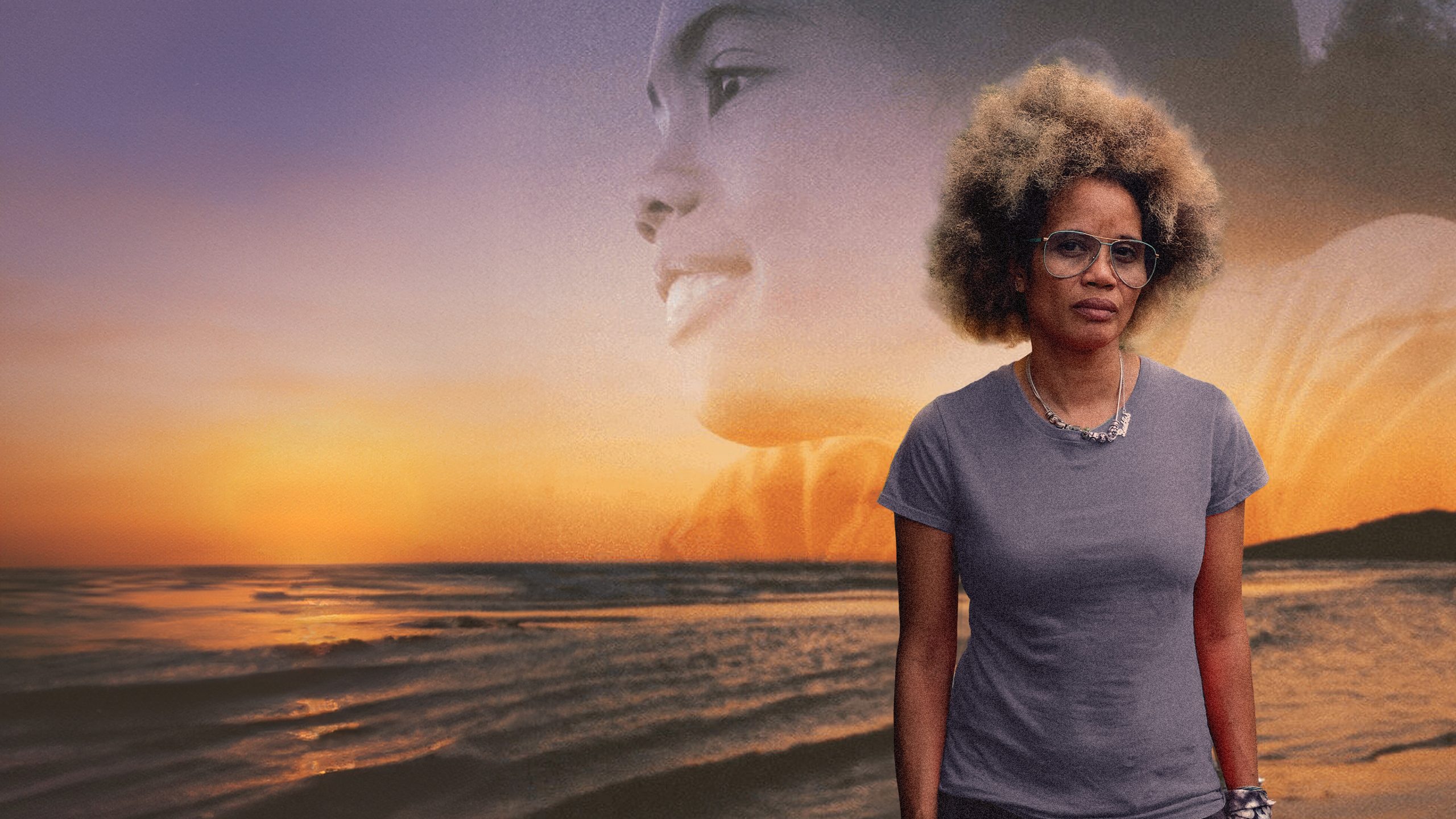
Laurie Townshend won the DGC Allan King Award for Excellence in Documentary for her film about spoken-word artist Staceyann Chin.

Lew (second from right) and members of HoNi performed “Through the Line” for the first time at the Jade Music Fest.

The Vancouver International Film Festival will premiere Jennifer Chiu’s expansive documentary on Hakka culture and identity.

Ang maintains that this approach enables people to go beyond seeing China and Taiwan as an inseparable unit.

