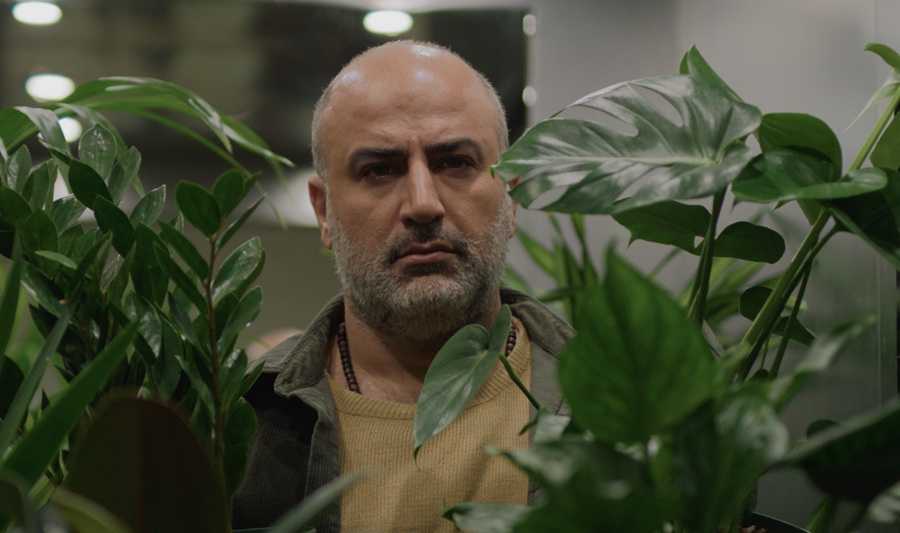
VIFF 2026: An interview with Ali Asgari, director of A Bit of Light
Asgari places an individual in conflict with forces far larger than himself in his new film.

Asgari places an individual in conflict with forces far larger than himself in his new film.
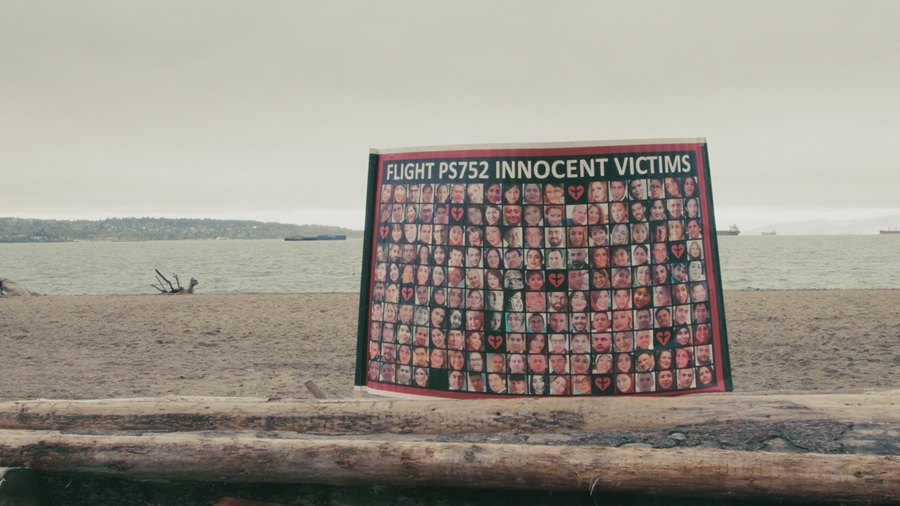
Mardookhi, a Kurdish Canadian director, didn’t only want to focus on loss—he aimed to show what families did in response to this.

Big Bad Boo was the only B.C. company to receive funding this year through the CMF Program for Black and Racialized Communities.
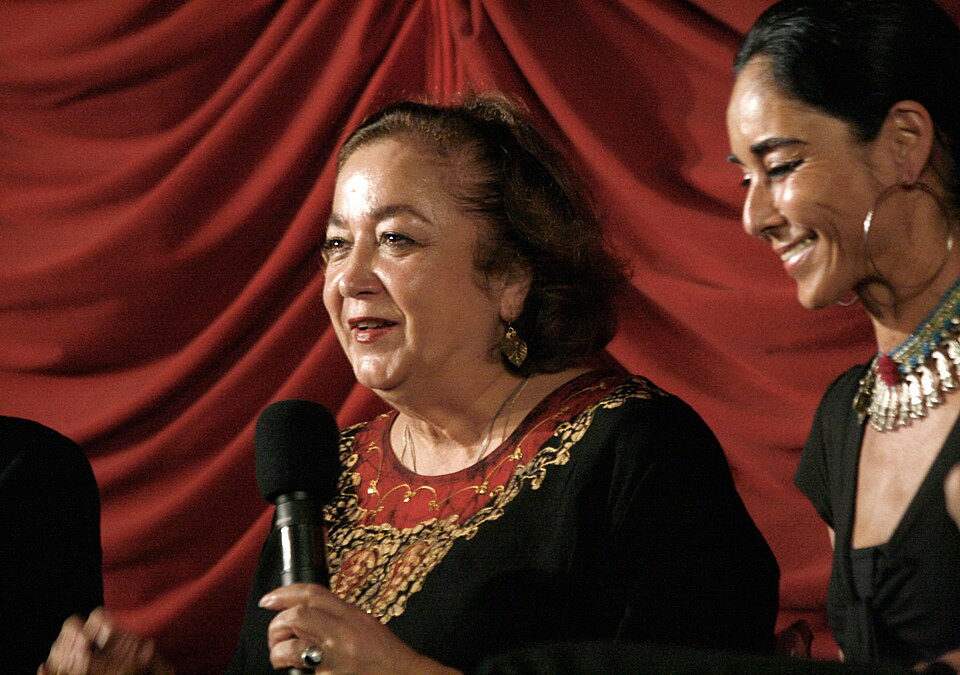
For more than five decades, Parsipur wrote women into spaces from which they had often been excluded, including storytelling.

Satrapi illustrated the dislocations of revolution, migration, adolescence and return.

It may seem difficult—especially after ignoring scientific warnings—but we can shift rapidly from fossil fuels to renewable energy.
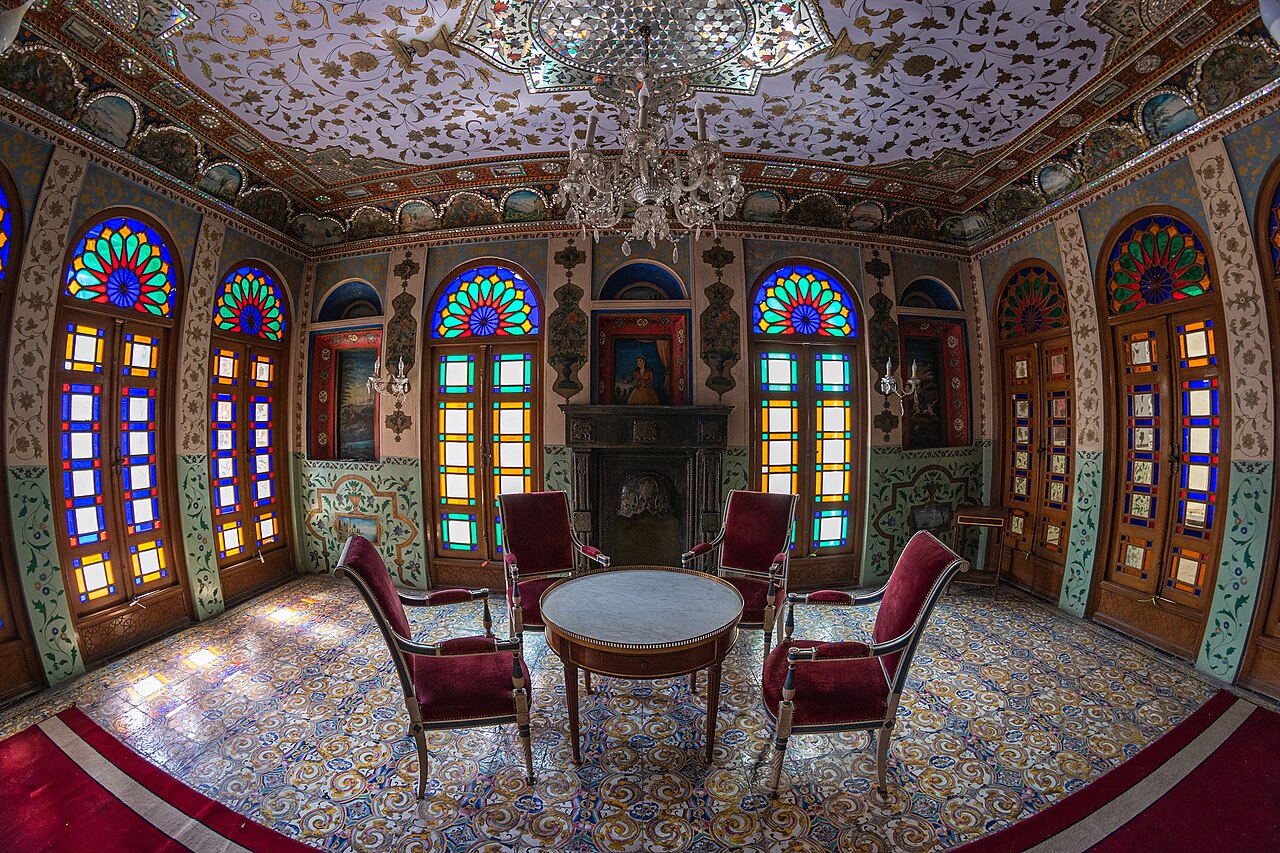
Airstrikes near historic districts in Tehran and Isfahan have damaged cultural monuments that have survived for centuries.

The author of Women Without Men, Shahrnunsh Parsipur, was jailed for her frank depiction of female sexuality.

Baldari, a University of Michigan scholar, will unveil Resonant Transmutations at the Modulus Festival in Vancouver.

In a wide-ranging interview with Nural Sümbültepe, Khatami also speaks about how he plays with versions of himself in the film.

