PuSh Festival: 할머니의 시간, 나의 시간
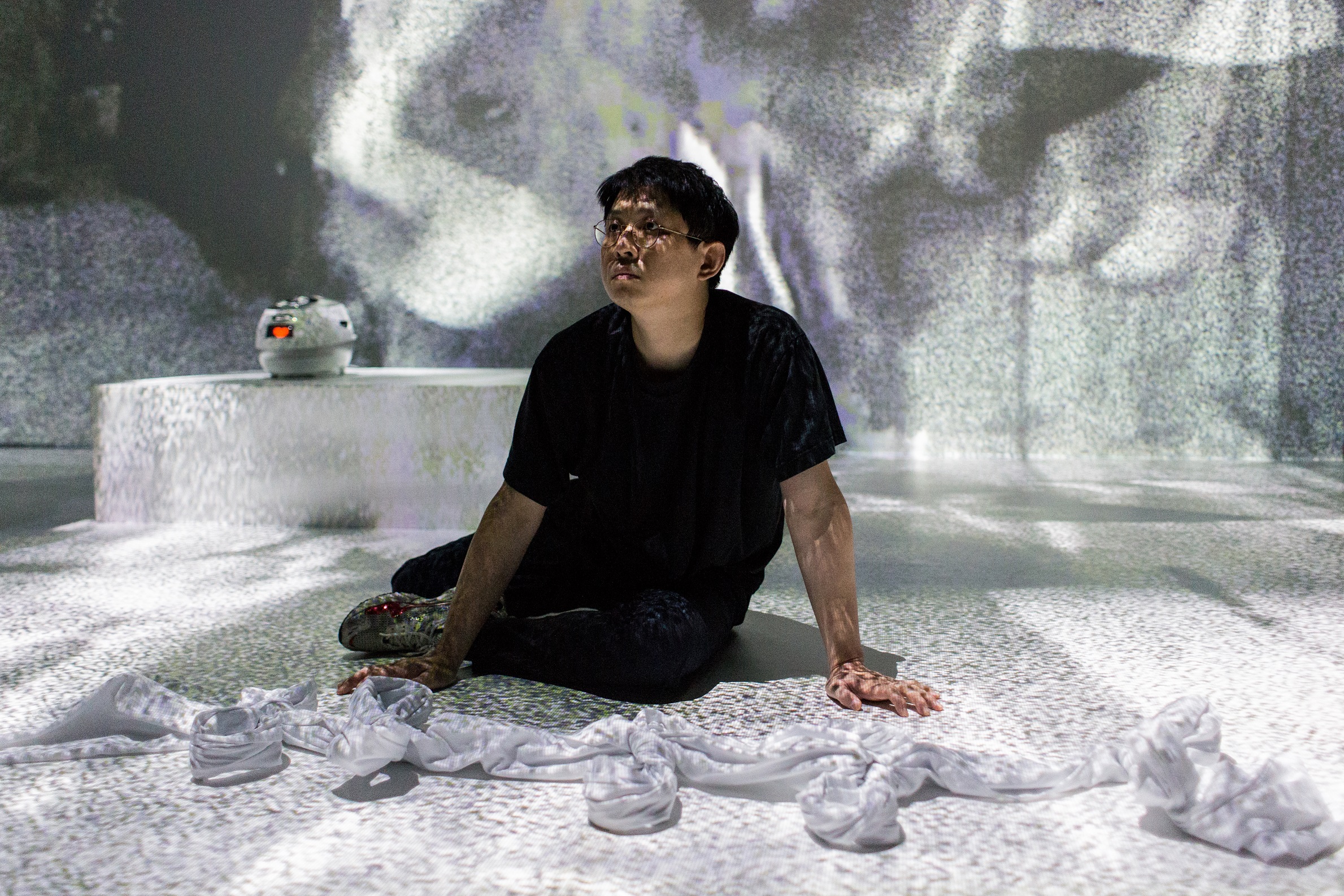
The History of Korean Western Theatre at the PuSh Festival 는 한국의 어두운 근대사가 미래 세대에 어떤 영향을 미칠지를 질문하는 작품이었다.

The History of Korean Western Theatre at the PuSh Festival 는 한국의 어두운 근대사가 미래 세대에 어떤 영향을 미칠지를 질문하는 작품이었다.
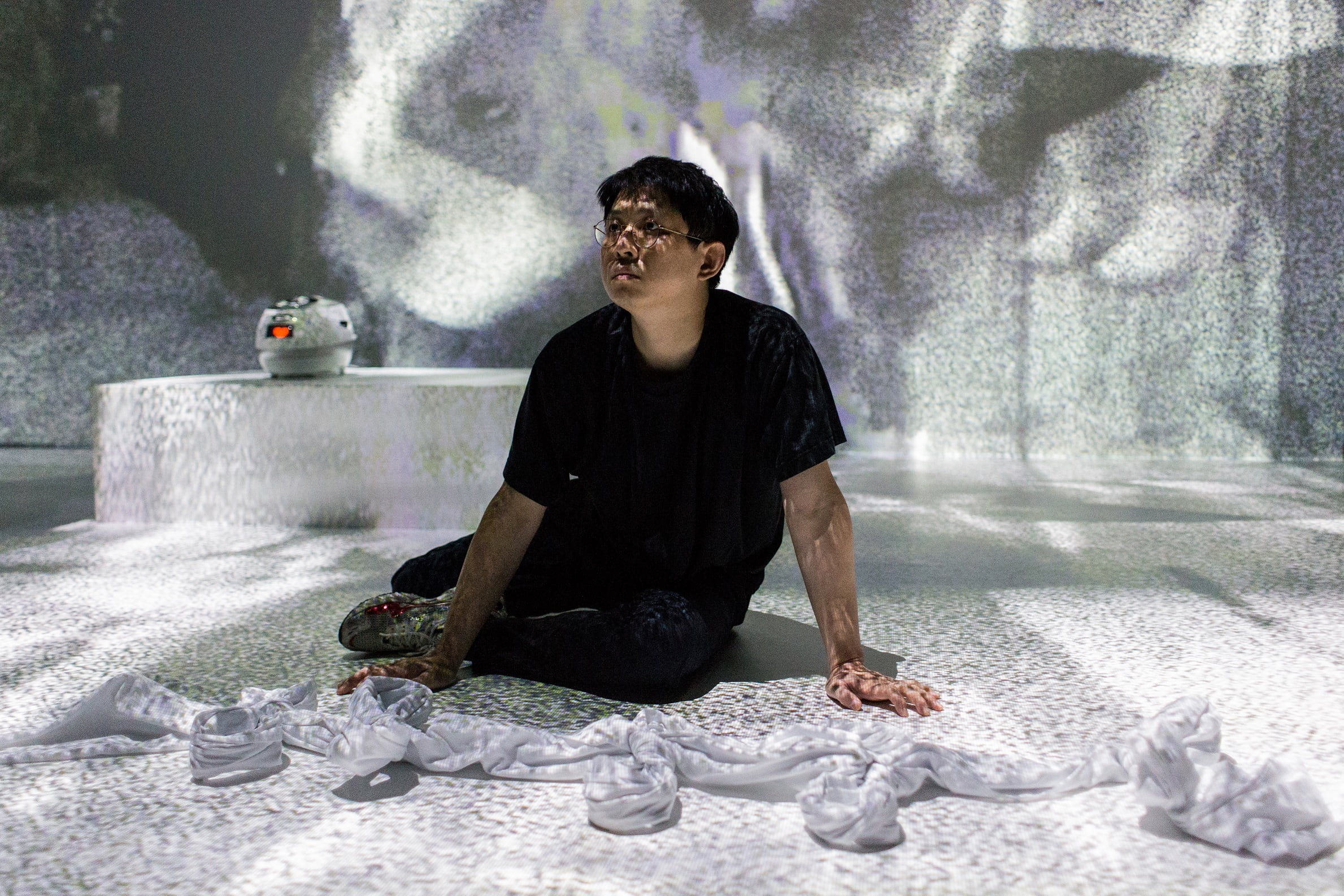
In this provocative work, Koo considers the impact of Japanese and U.S. occupation in the 20th century on what is presented on Korean stages.

艺术家具滋昰 (Jaha Koo) 专注于探索帝国主义对他的祖国南韩的影响,并以此创建了自己的表演艺术事业。在与《Pancouver》的 Zoom 访谈中,这位目前居住于比利时的剧场创作者兼作曲家回忆起2008年的一段深刻的文化失调经历,这启发了他的多媒体表演《The History of Korean Western Theatre(韩国西方剧场史)》。该表演将于1月23日和24日,作为温哥华PuSh国际表演艺术节 (PuSh International Performing Arts Festival) 的一部分登台演出。

藝術家具滋昰 (Jaha Koo) 專注於探索帝國主義對他的祖國南韓的影響,並以此建立了自己的表演藝術事業。在與《Pancouver》的 Zoom 訪談中,這位目前居住於比利時的劇場創作者兼作曲家回憶起2008年的一段深刻的文化失調經歷,這啟發了他的多媒體表演《The History of Korean Western Theatre(韓國西方劇場史)》。該表演將於1月23日和24日,作為溫哥華PuSh國際表演藝術節 (PuSh International Performing Arts Festival) 的一部分登台演出。

Festival director of programming Gabrielle Martin is highlighting the complexity of diversity—something she felt when she visited Zimbabwe.

At the PuSh International Performing Arts Festival, the South Korean theatre maker and composer addresses discrimination of a different sort.


The Society of We Are Canadians Too created Pancouver to foster greater appreciation for underrepresented artistic communities. A rising tide of understanding lifts all of us.
This project is funded in part by the Government of Canada.
We would like to acknowledge that we are gathered on the traditional and unceded territories of the Coast Salish peoples of the xʷməθkwəy̓əm (Musqueam Indian Band), Skwxwú7mesh (Squamish Nation), and Səl̓ílwətaɬ (Tsleil-Waututh Nation). With this acknowledgement, we thank the Indigenous peoples who still live on and care for this land.
This project is funded in part by the Government of Canada.
The Society of We Are Canadians Too created Pancouver to foster greater appreciation for underrepresented artistic communities. A rising tide of understanding lifts all of us.
We would like to acknowledge that we are gathered on the traditional and unceded territories of the Coast Salish peoples of the xʷməθkwəy̓əm (Musqueam), Skwxwú7mesh (Squamish), and Səl̓ílwətaɬ (Tsleil-Waututh) Nations. With this acknowledgement, we thank the Indigenous peoples who still live on and care for this land.
Independent arts journalism needs readers like you!
If you value stories like this, please consider supporting Pancouver.