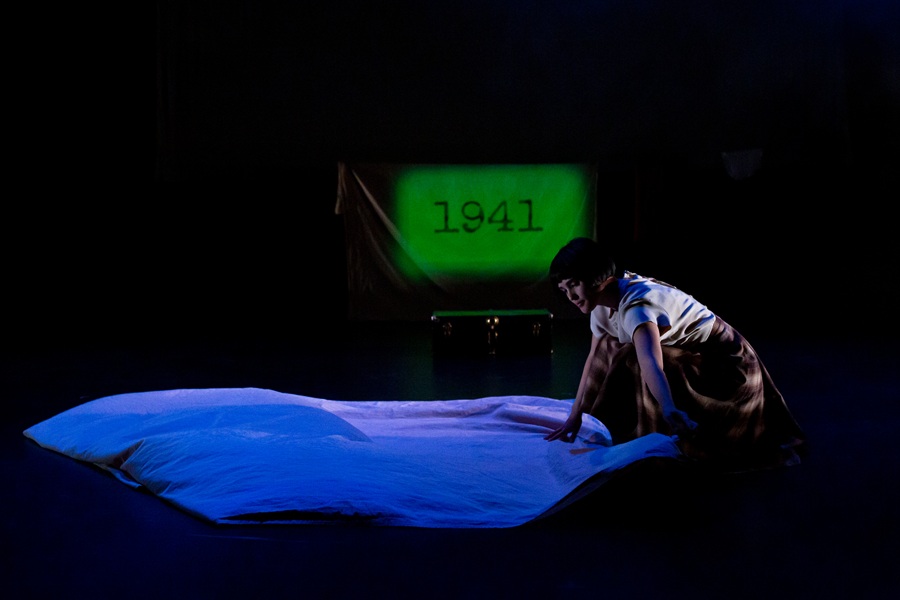
Mayumi Lashbrook travels through time in Enemy Lines to make sense of intergenerational trauma
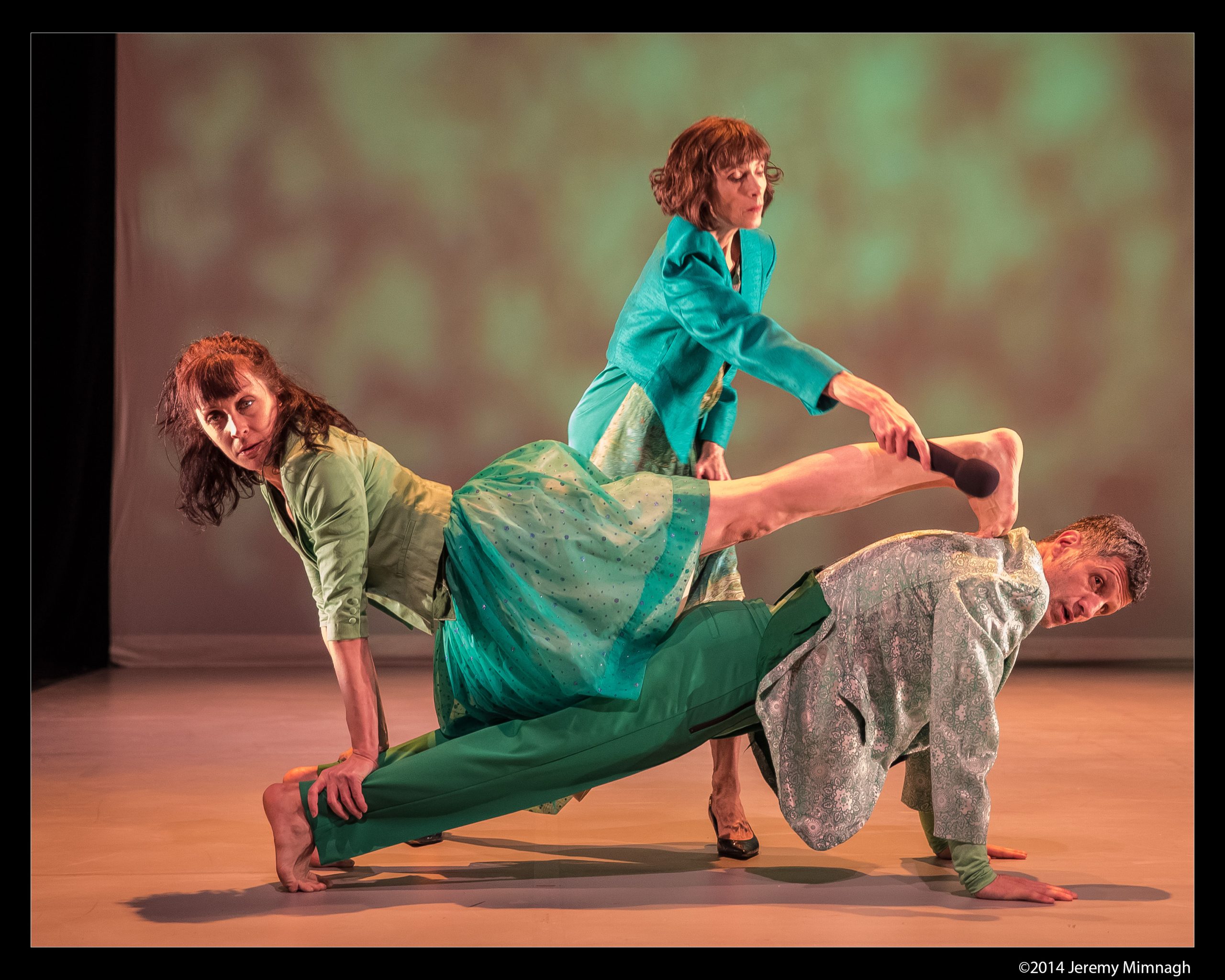
Lashbrook depicts the incarceration of Japanese Canadians through contemporary and modern dance, movement-based theatre, and performance art.

Lashbrook depicts the incarceration of Japanese Canadians through contemporary and modern dance, movement-based theatre, and performance art.

Former Powell Street Festival executive director Emiko Morita curated Return to Paueru Gai and edited a new book with the same title.

Veena Yamano plays a fourth-generation Japanese Canadian in her 20s who lands in Tokyo in “Tears Burn to Ash”.
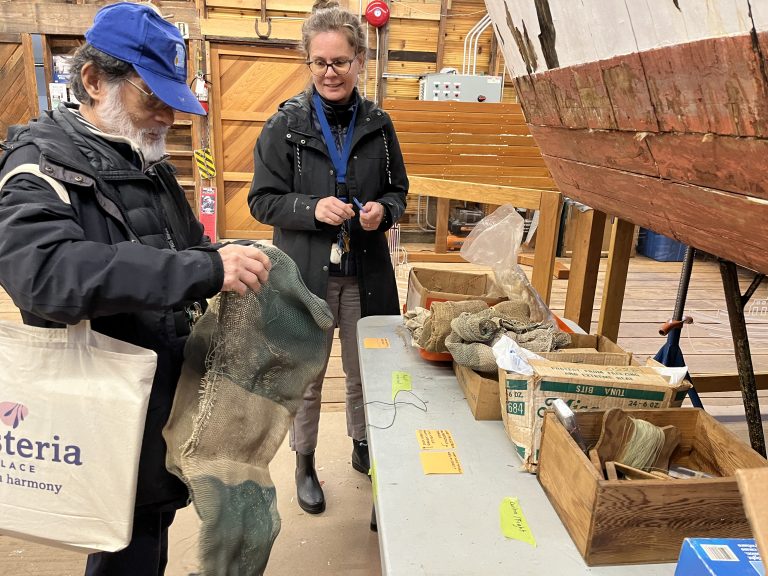
Bud Sakamoto shows a net bag that Japanese Canadians used to collect nori (seaweed).
The multidisciplinary Powell Street Festival presents films, visual arts, dance performances, poetry, and a whole lot of taiko.
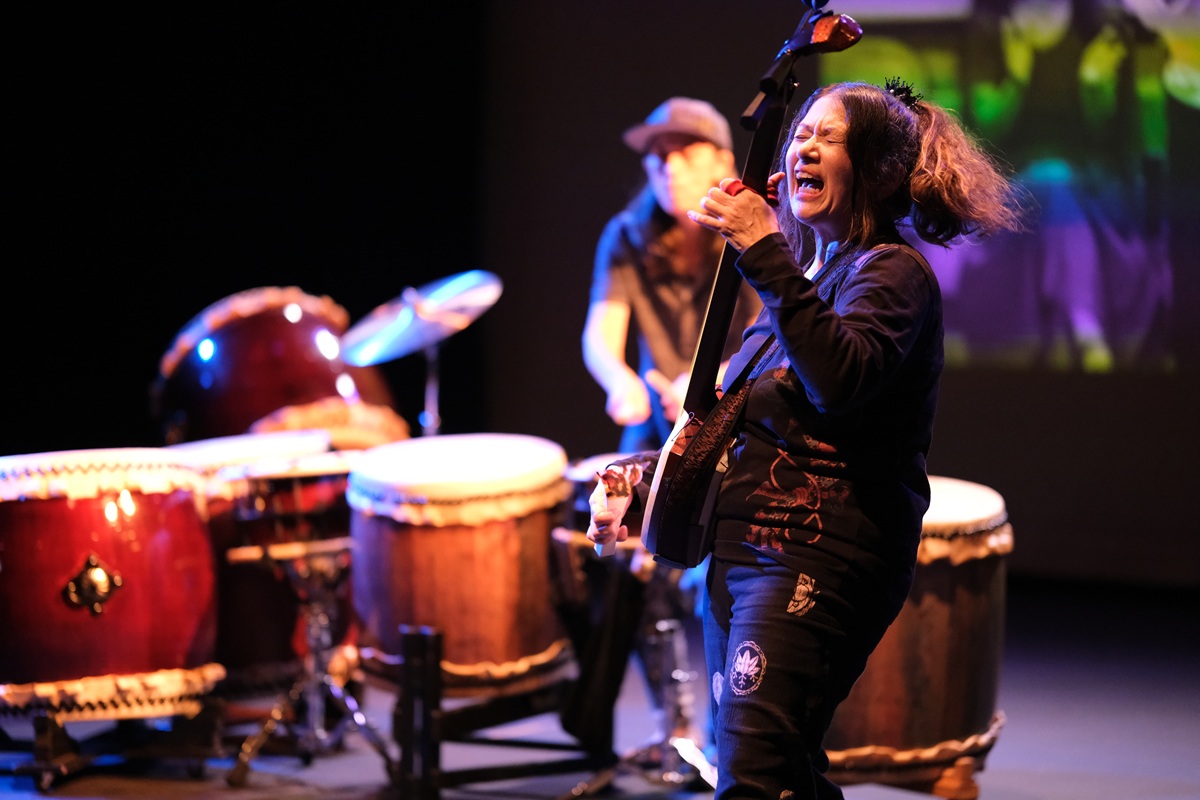
Eight different taiko troupes, each with their own style, will perform on two different stages.

Yamauchi Latimer, a fourth-generation Japanese Canadian, succeeds Emiko Morita, who spent 10 years at the helm.
The multimedia show was inspired by Christian Bök’s book-length poem called Eunoia, which won the Griffin Poetry Prize in 2002.

An upcoming show, “Our (Orihon) Nobuo”, will honour the artistic talents of Vancouver-born Nobuo Kubota at Shintani Gallery in Toronto.

Shigematsu and director Kaitlin Williams are re-imagining the hit show for the theatre company’s 40th-anniversary season.

