
Tristin Greyeyes paints vivid picture of Indigenous language reclamation in A Cree Approach
A feature-length documentary at GEMFest 2026 demonstrates that protecting a language goes beyond preserving the grammar and the vocabulary.

A feature-length documentary at GEMFest 2026 demonstrates that protecting a language goes beyond preserving the grammar and the vocabulary.

As we move into the new year, we need more ruptures in mainstream thinking. It’s the cracks that let the light in.

We are not “South Asian.” We are Sikh Canadian, Tamil Canadian, Afghan Canadian, Punjabi Canadian, and Bengali Canadian.

Children of political immigrants told Concordia researchers that their communication in Vietnamese involved less personal conversations.
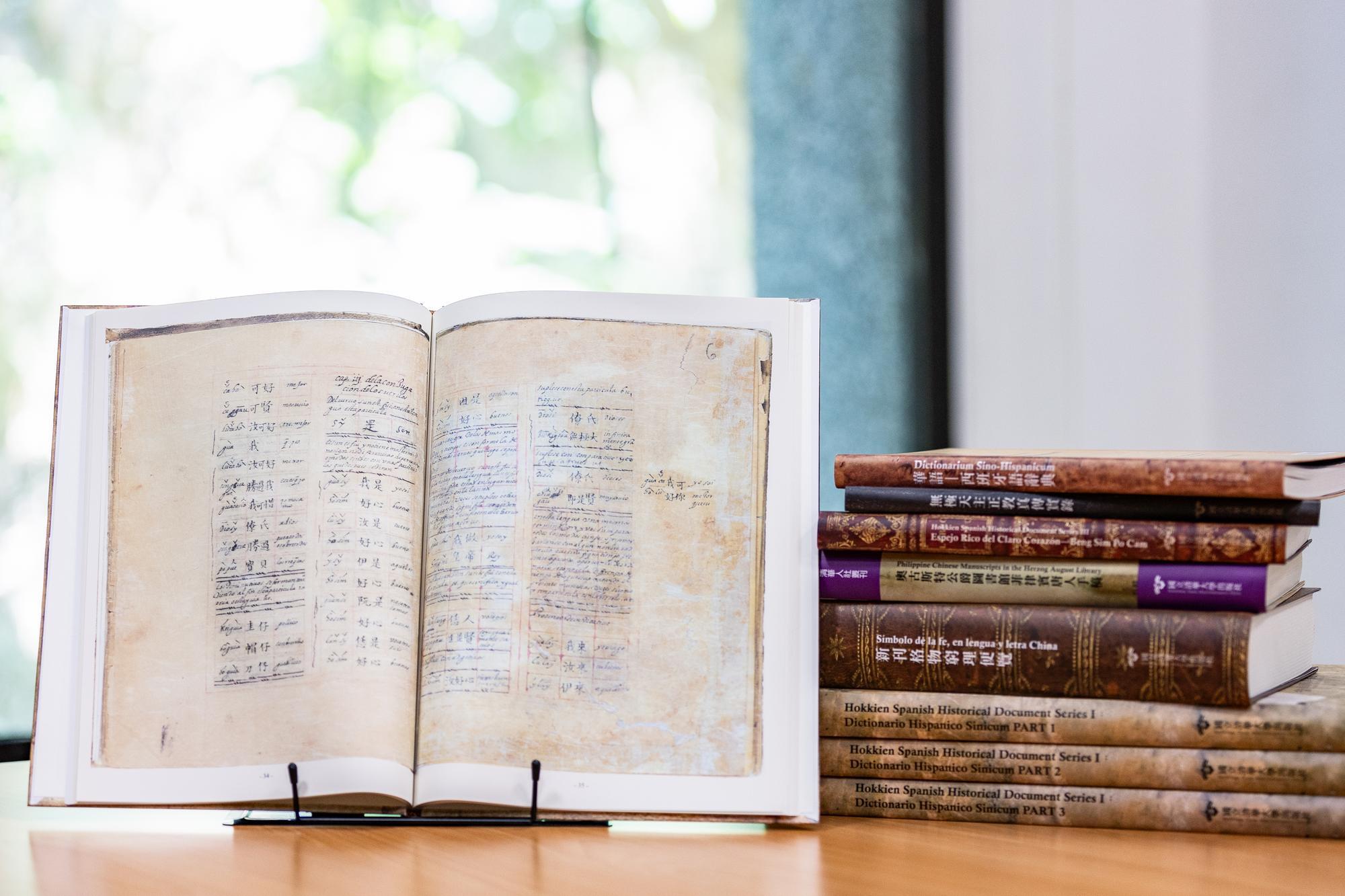
Fabio Yu-ching Lee will share his insights into Minnanese migration on Saturday (August 31) in a free talk at the Vancouver Public Library.

For learners dedicating hours each week to mastering a second language, the journey often feels interminable.

大家或许听过一个中华民国的「国语」如何制定的故事。中华民国成立时,政府要选一个方言做为国语,当时北京话已经通行全国,自然成了首选。然而,因为首创革命的中山先生是广东人,所以部分人士支持以广东话为国语。双方僵持不下,只好投票决定。最后广东话输了一票,所以国民政府就采用北京话为国语。真的假的?这篇就来谈谈这段现代汉语发展的往事,一探关于制定国语的传说。
大家或許聽過一個中華民國的「國語」如何制定的故事。中華民國成立時,政府要選一個方言做為國語,當時北京話已經通行全國,自然成了首選。然而,因為首創革命的中山先生是廣東人,所以部分人士支持以廣東話為國語。雙方僵持不下,只好投票決定。最後廣東話輸了一票,所以國民政府就採用北京話為國語。真的假的?這篇就來談談這段現代漢語發展的往事,一探關於制定國語的傳說。
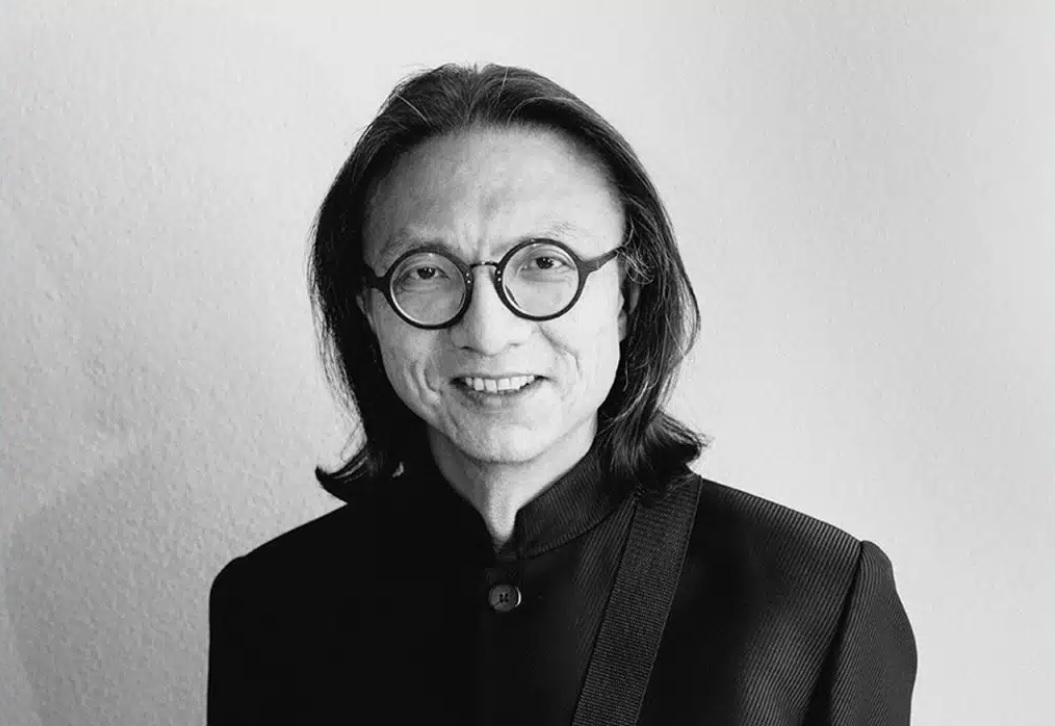
A former professor explains how the republican government of China settled on a standard language in a country with hundreds of dialects.

Hundreds of thousands of Cubans have left the island nation for South Florida since 1959, resulting in a monumental linguistic convergence.

