
Coast Salish artist Ovi Mailhot helps brand Canada’s spy service, clothing lines, and Lunar New Year in Vancouver
A decade ago, Seabird Island Band member Ovi Mailhot never imagined he would become a much-in-demand artist.

A decade ago, Seabird Island Band member Ovi Mailhot never imagined he would become a much-in-demand artist.
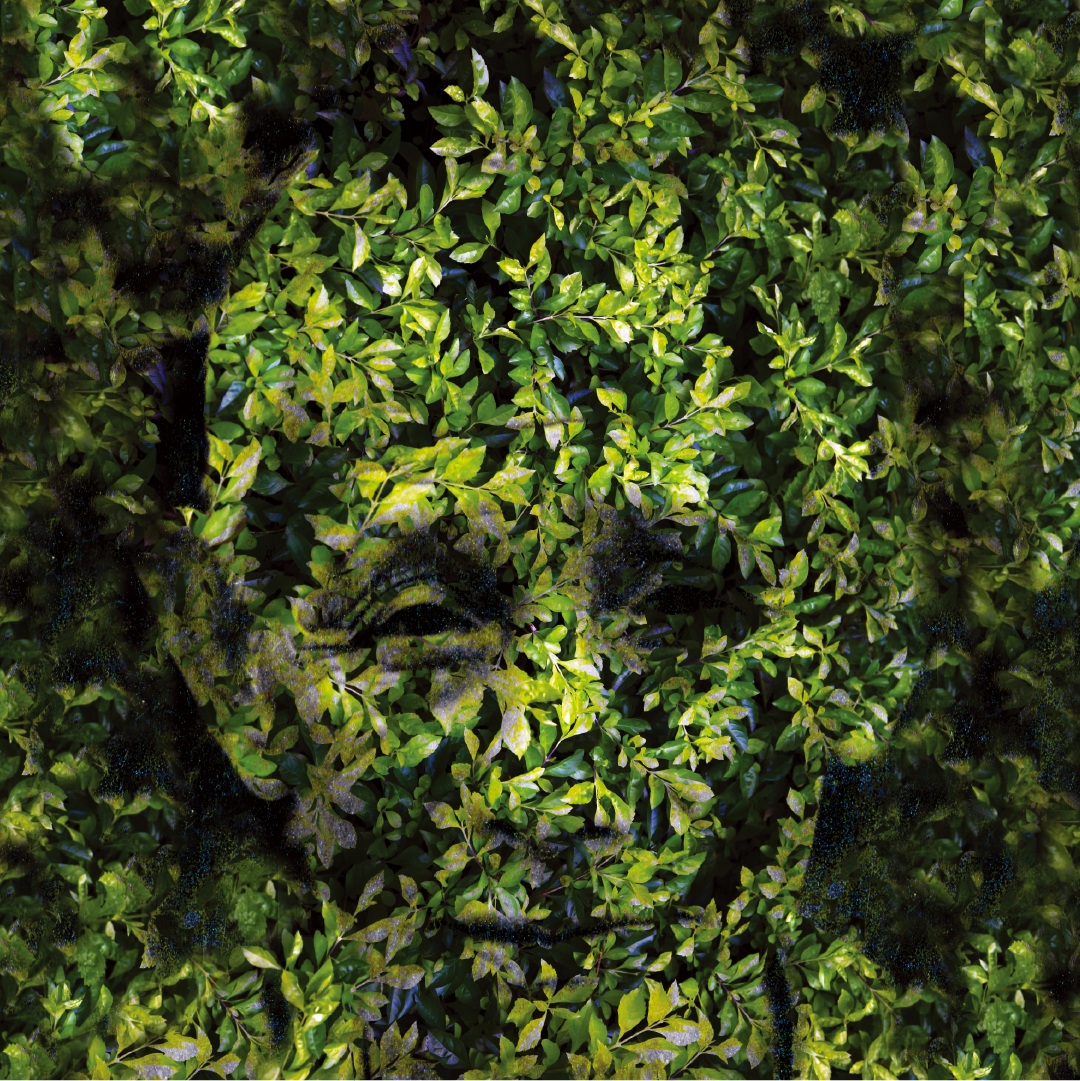
有些事情每逢農曆新年都會發生。在沒有疫情的時期,片打西街總會舉行舞獅賀歲。英語媒體會就新一年生肖動物的起源訪問一名亞裔人士,而不同政治家則會向投票給他們的亞裔選民發表新年賀辭。
有些事情每逢农历新年都会发生。在没有疫情的时期,片打西街总会举行舞狮贺岁。英语媒体会就新一年生肖动物的起源访问一名亚裔人士,而不同政治家则会向投票给他们的亚裔选民发表新年贺辞。
Taiwanese Seediq artist Walis Labai’s depiction of “tree-born” people is part of the Coastal Lunar Lanterns display at Jack Poole Plaza.
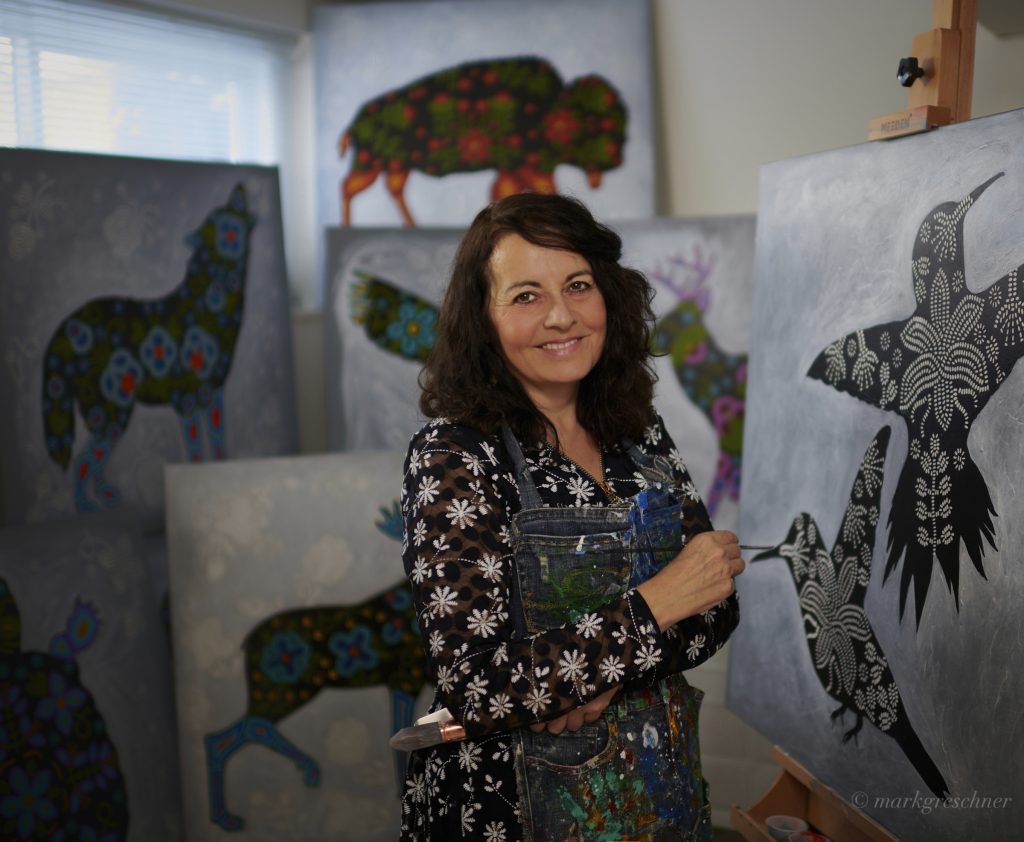
來自里賈納的退休教師Phyllis Poitras-Jarrett不單希望創作優美的藝術品,更嘗試透過兔子,水牛、地鼠和其他動物的畫作,鼓勵觀賞者思考生物多樣性,以及她的梅蒂(Métis)文化。Phyllis在家中透過Zoom視訊會議向Pancouver表示,自己從小熱愛藝術,而且頗具天份。
来自里贾纳的退休教师Phyllis Poitras-Jarrett不单希望创作优美的艺术品,更尝试透过兔子,水牛、地鼠和其他动物的画作,鼓励观赏者思考生物多样性,以及她的梅蒂(Métis)文化。Phyllis在家中透过Zoom视频会议向Pancouver表示,自己从小热爱艺术,而且颇具天份。
The Regina-based educator’s paintings of animals include bead patterns, which is one way in which she represents her Métis heritage.

不入虎穴,焉得虎子是東溫藝術家Jessie Sohpaul的座右銘。 雖然很多畫家和插畫家都喜歡以不同顏色進行創作,但Jessie卻鍾情黑白色調,有時候會加上一點金色或紅色作點綴。
不入虎穴,焉得虎子是东温艺术家Jessie Sohpaul的座右铭。 虽然很多画家和插画家都喜欢以不同颜色进行创作,但Jessie却钟情黑白色调,有时候会加上一点金色或红色作点缀。
Sohpaul created a large mural called Kohinoor, where are you? to reflect what happened to the most famous diamond in Indian history.

