
David Suzuki: The suicidal insanity of non-stop growth
The planet offers everything we need to survive and thrive, but not if we continue to wastefully exploit it.

The planet offers everything we need to survive and thrive, but not if we continue to wastefully exploit it.
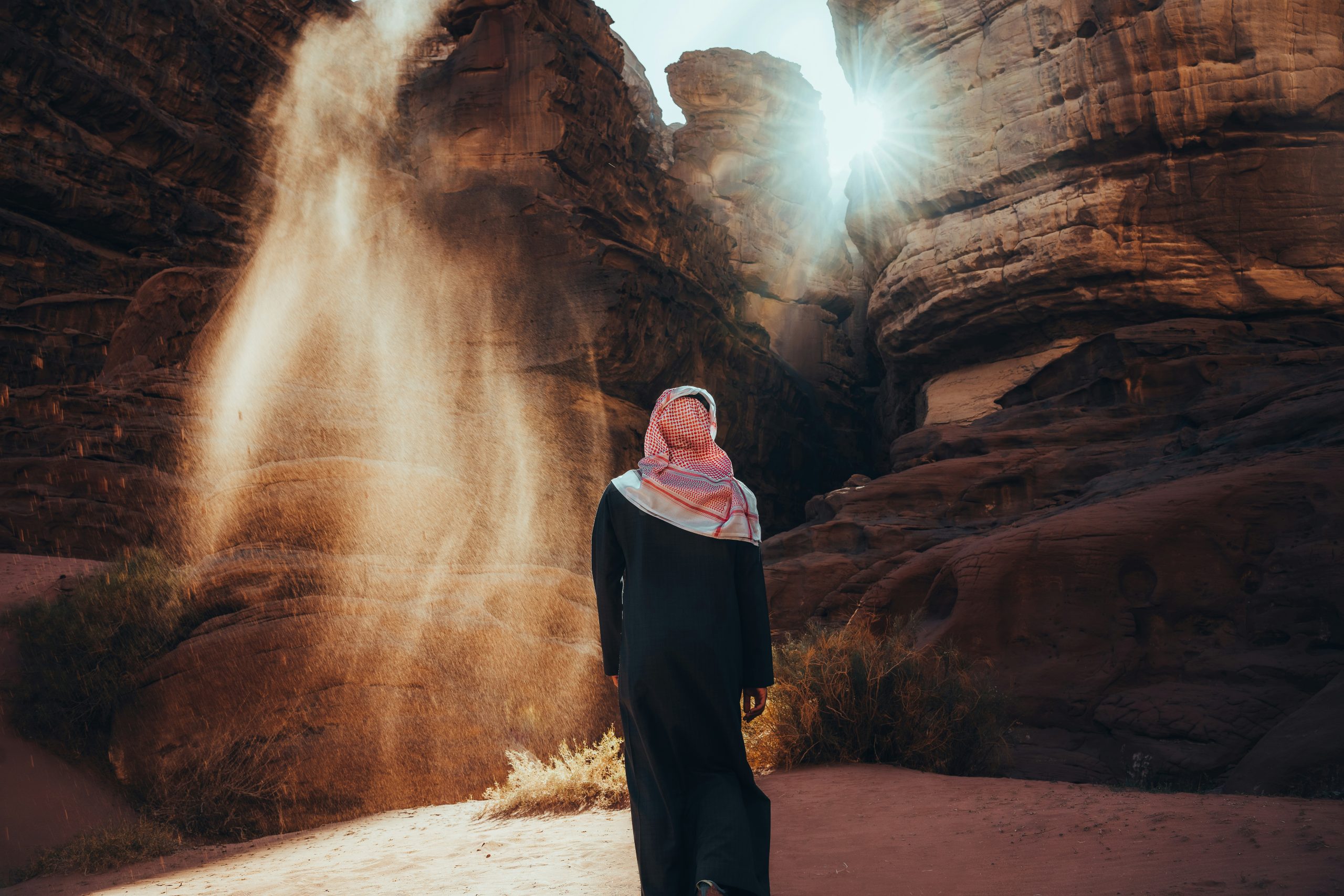
Migration policies focus on border control, but rarely consider the social and cultural dynamics—including dreams—that shape aspirations.

许多诗人在童年或青少年时期就爱上了诗歌这种艺术形式。然而,Grace Kwan(使用 they/them 的代名词)直到在西门菲莎大学 (Simon Fraser University) 研究所就读时,才开始认真创作诗歌。

許多詩人在童年或青少年時期就愛上了詩歌這種藝術形式。然而,Grace Kwan(使用 they/them 的代名詞)直到在西門菲莎大學 (Simon Fraser University) 研究所就讀時,才開始認真創作詩歌。

Many poets fall in love with their artform in childhood or as teens. Kwan, on the other hand, started writing poetry in grad school at SFU.

A displaced scholar from the country reflects on why this program has affected him in light of his own migration to Canada.

歷代的美國人從小就會學習到有關移民的主流說法。學校的老師會告訴他們,第一批來自英國的定居者於1607年在現今弗吉尼亞州的所在地建立殖民地詹姆斯敦。無數學生也聽過關於五月花號乘客的故事。這些被英國放逐的清教徒於1620年在今天位於麻薩諸塞的地方成立殖民地。

历代的美国人从小就会学习到有关移民的主流说法。学校的老师会告诉他们,第一批来自英国的定居者于1607年在现今弗吉尼亚州的所在地创建殖民地詹姆斯敦。

Very few North Americans realize that Filipino migration to the continental United States preceded the arrival of the Mayflower by 33 years.


The Society of We Are Canadians Too created Pancouver to foster greater appreciation for underrepresented artistic communities. A rising tide of understanding lifts all of us.
This project is funded in part by the Government of Canada.
We would like to acknowledge that we are gathered on the traditional and unceded territories of the Coast Salish peoples of the xʷməθkwəy̓əm (Musqueam Indian Band), Skwxwú7mesh (Squamish Nation), and Səl̓ílwətaɬ (Tsleil-Waututh Nation). With this acknowledgement, we thank the Indigenous peoples who still live on and care for this land.
This project is funded in part by the Government of Canada.
The Society of We Are Canadians Too created Pancouver to foster greater appreciation for underrepresented artistic communities. A rising tide of understanding lifts all of us.
We would like to acknowledge that we are gathered on the traditional and unceded territories of the Coast Salish peoples of the xʷməθkwəy̓əm (Musqueam), Skwxwú7mesh (Squamish), and Səl̓ílwətaɬ (Tsleil-Waututh) Nations. With this acknowledgement, we thank the Indigenous peoples who still live on and care for this land.
Independent arts journalism needs readers like you!
If you value stories like this, please consider supporting Pancouver.